What Confidence Actually Is (Most People Have It Backwards)
You've been waiting to feel confident before you do the scary thing. So has everyone else in the room — which is why the room stays so quiet.
Part 1: What Confidence Actually Is (Most People Have It Backwards) — Concept
+5 XP on completion

You've been waiting to feel confident before you do the scary thing. So has everyone else in the room — which is why the room stays so quiet.
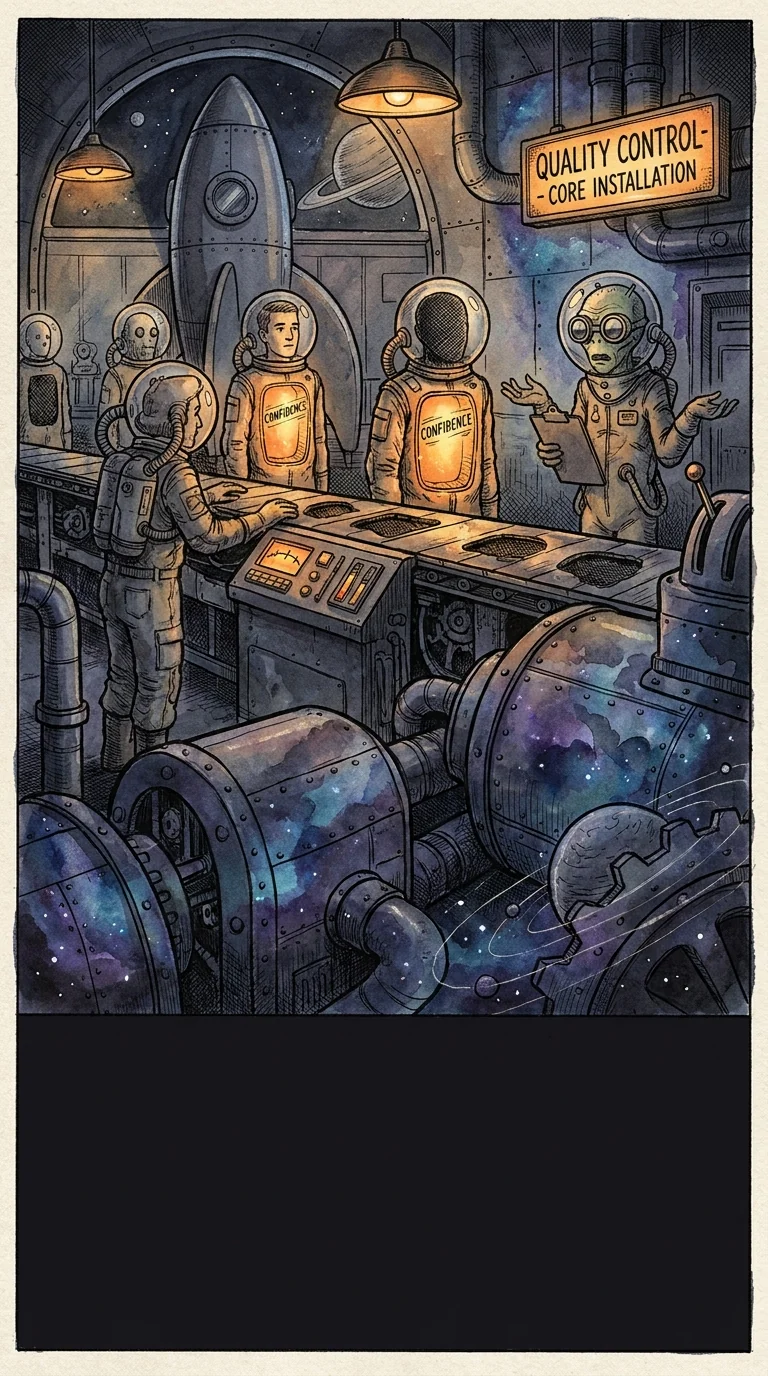
We treat confidence like it's factory-installed — some people shipped with it, some people didn't. That's a comforting story, mostly because it lets you off the hook.

Confidence isn't a trait. It's a receipt — evidence your brain collects every time you survive something you weren't sure you could do. Spoiler: the doing comes first.
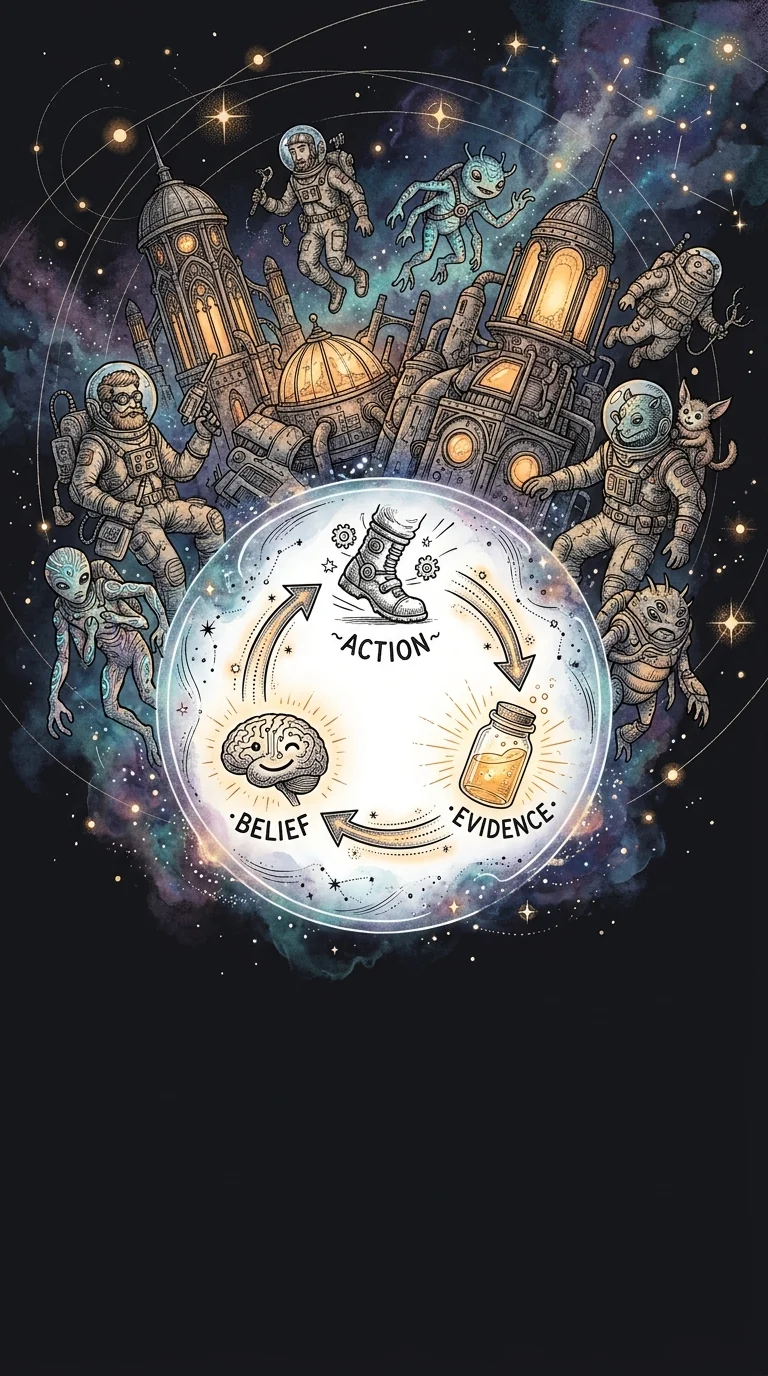
Action produces evidence. Evidence rewires belief. Belief makes the next action slightly less terrifying. It's a loop, not a lightning bolt — and it starts embarrassingly small.
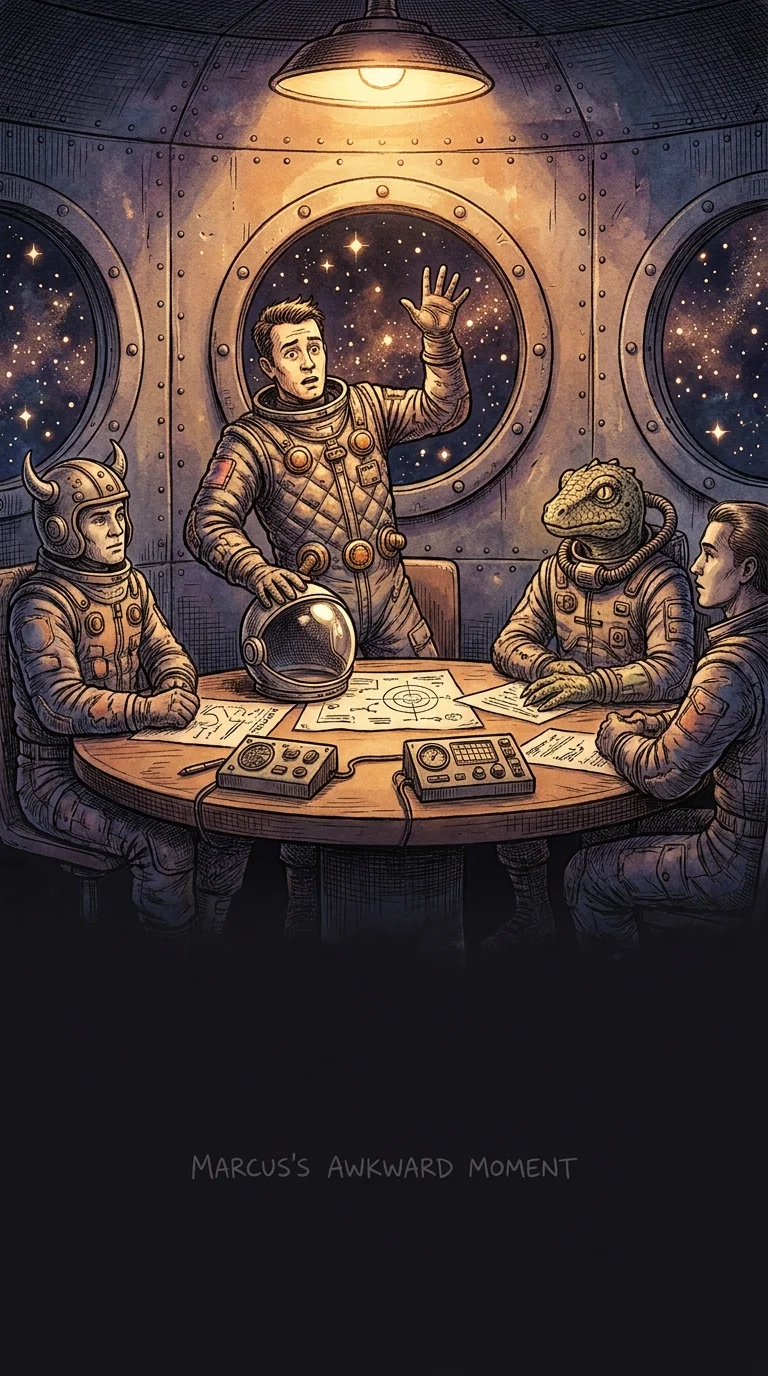
Marcus spent two years waiting to feel ready before speaking up in meetings. Then one Tuesday he said something half-formed and mediocre — and nobody died. His brain quietly filed that receipt.

So confidence is built, not found — and the raw material is smaller than you think. In Part 2, you'll practice spotting evidence you've already earned but never counted. See you there.
Part 2: What Confidence Actually Is (Most People Have It Backwards) — Practice
+10 XP on completion

Confidence is built, not born. So the real question isn't whether you have it — it's whether you're collecting the evidence that creates it.
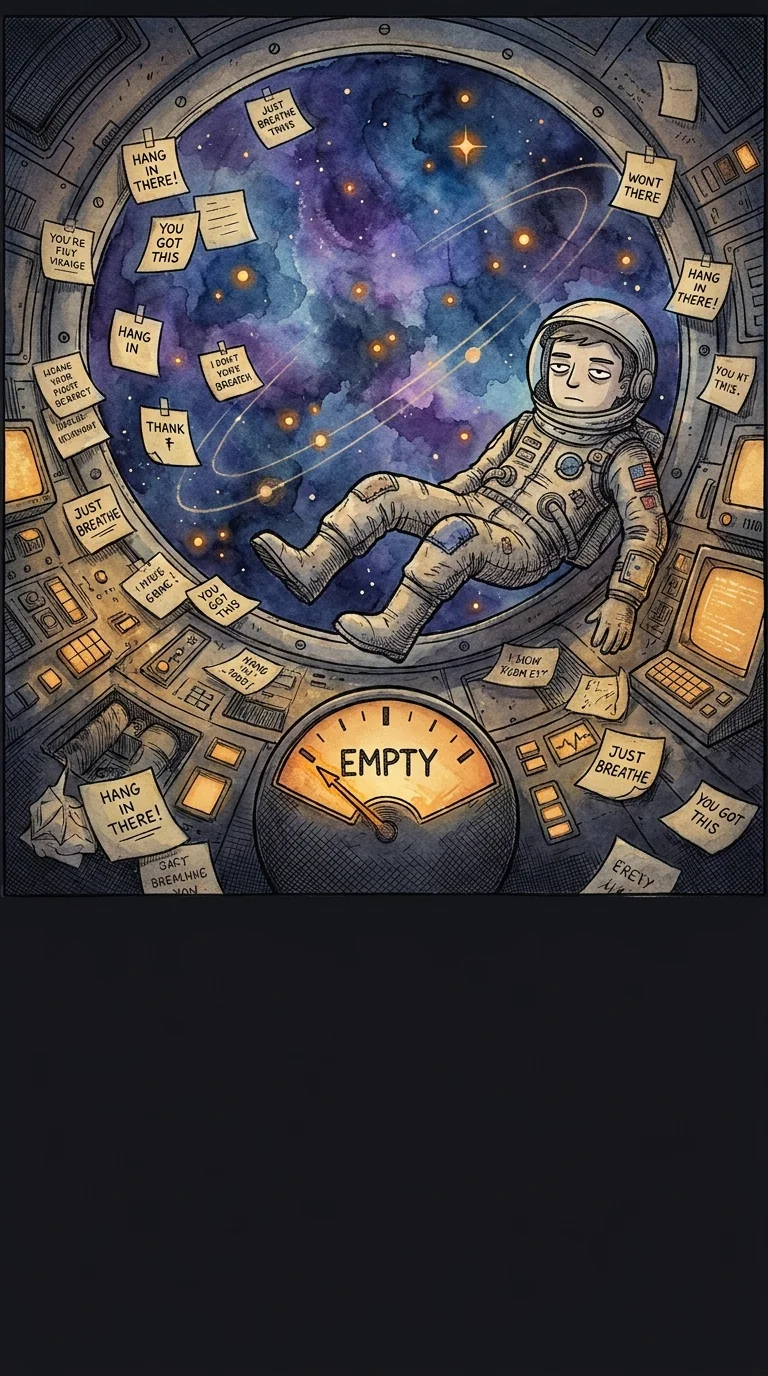
Most confidence advice sounds like "just believe in yourself" — which is about as useful as telling a ship to fly without fuel. You can't think your way into confidence. You need receipts.
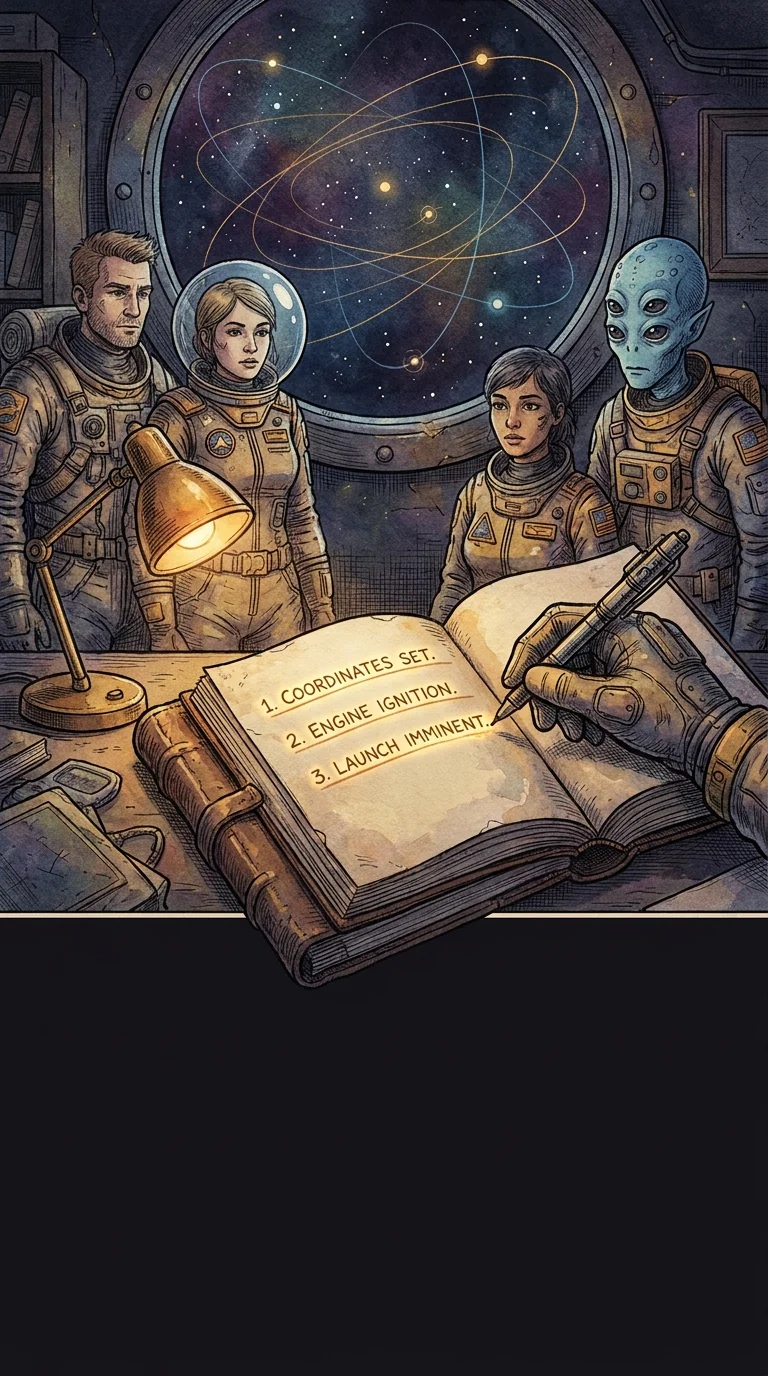
Enter the Evidence Log. It's stupidly simple — and that's the point. Every evening, you write down three things you did that took even a sliver of courage.

Spoke up in a meeting. Sent the email you'd been drafting for a week. Said no to something. None of these need to be heroic — they just need to be real. Your brain updates its model of you based on what you actually do, not what you wish you'd do.

Marcus started his Evidence Log on a Monday. His first entry: "Asked the barista to remake my drink." By Friday he had fifteen entries. None of them were grand. All of them were his.
Tonight, open a note — paper, phone, napkin, whatever. Write down three moments where you showed up, even slightly. You're not building confidence from nothing. You're finally keeping score.