The 5-Second Rule
You knew exactly what you wanted to say. Your mouth had the words ready, your brain had the argument loaded — and then five seconds passed, and the moment sealed itself shut like an airlock.
Part 1: The 5-Second Rule — Concept
+5 XP on completion

You knew exactly what you wanted to say. Your mouth had the words ready, your brain had the argument loaded — and then five seconds passed, and the moment sealed itself shut like an airlock.

Hesitation doesn't announce itself as fear. It shows up dressed as "I'll do it later" or "let me think about it first" — which, conveniently, buys just enough time for your nerve to evaporate.

Your brain has a roughly five-second window between impulse and shutdown. After that, your prefrontal cortex starts generating excellent reasons to stay exactly where you are. The countdown isn't a trick — it's a race against your own risk-management software.
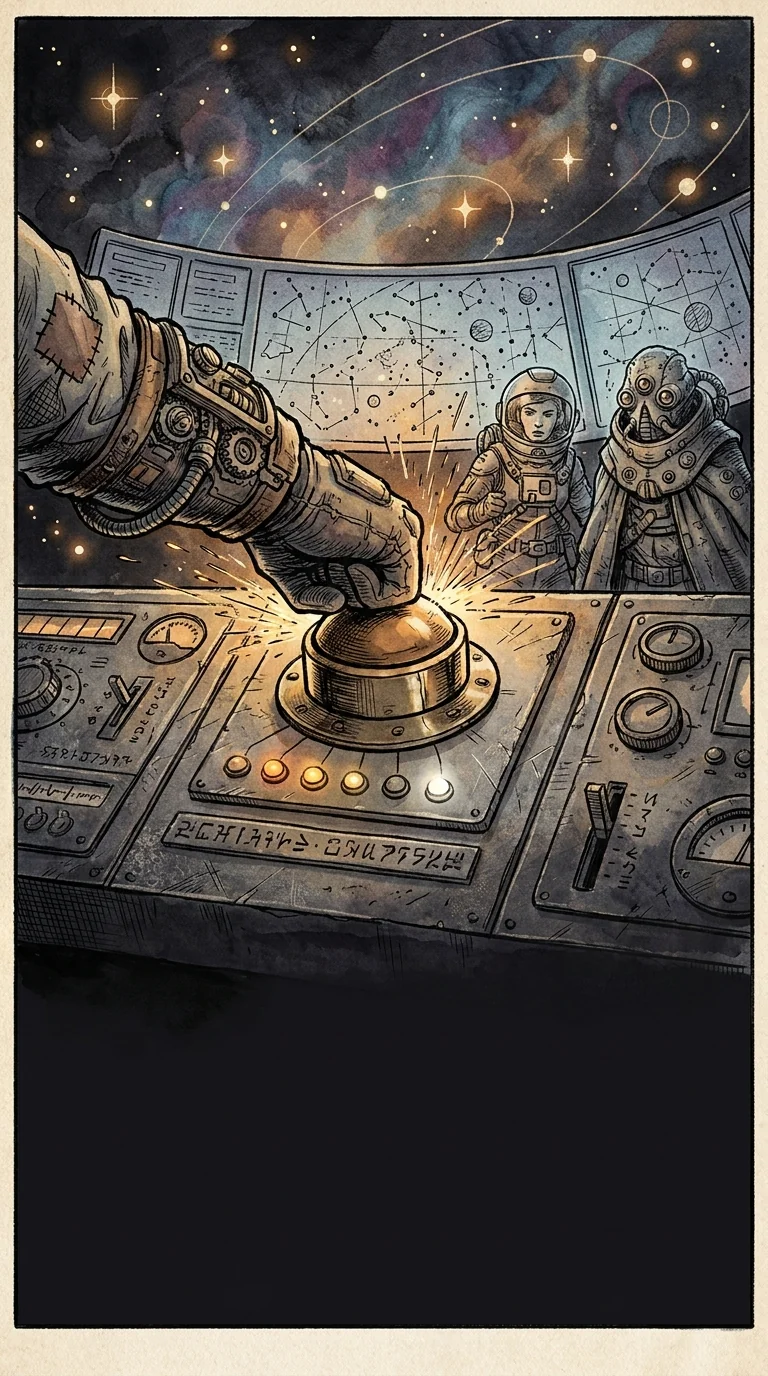
The technique is almost embarrassingly simple: the moment you feel the impulse to act, count backward — five, four, three, two, one — and move. Physically move. The countdown interrupts the hesitation loop before it can finish booting up.
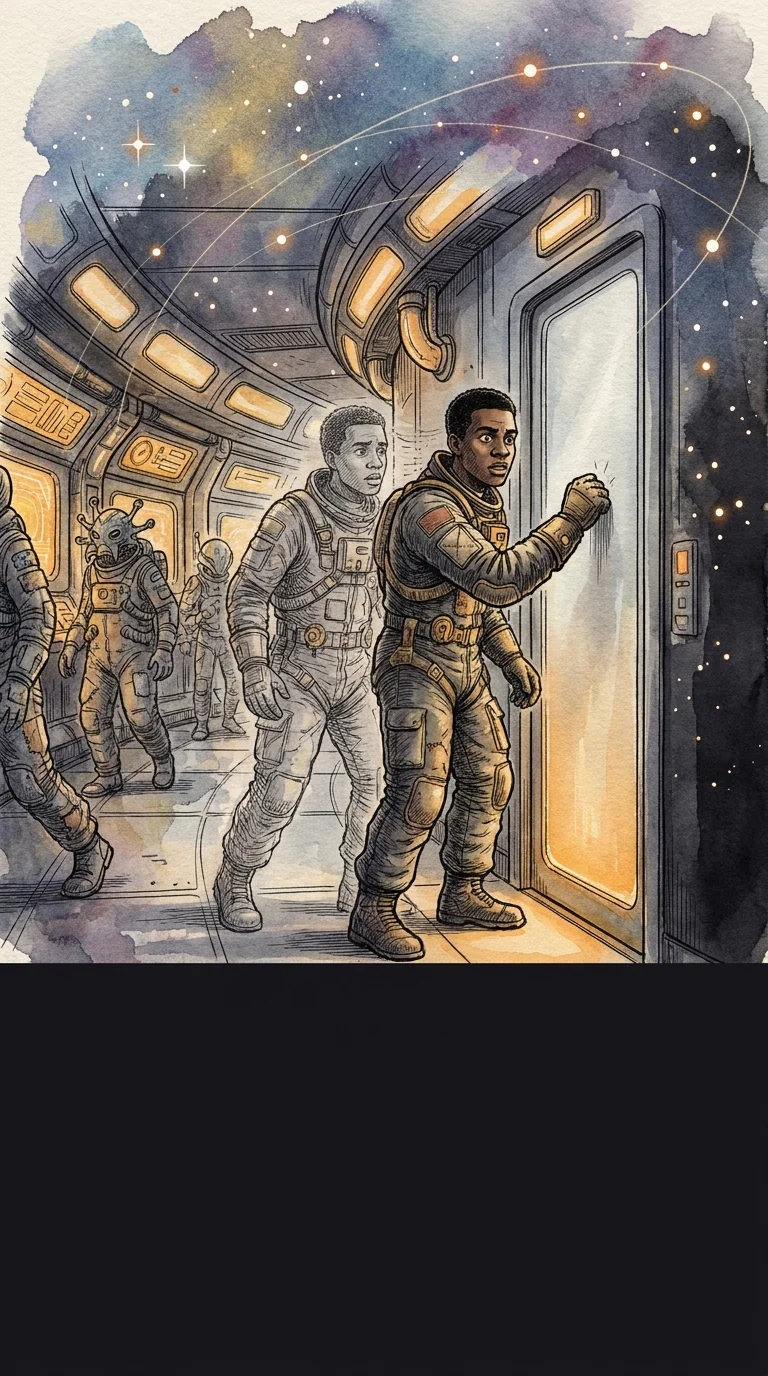
Marcus had rehearsed his pitch for weeks. Standing outside his supervisor's office, he felt the familiar cooling — the slow drain of certainty. So he counted backward from five, knocked on the door at one, and was mid-sentence before his brain could file an objection. He got the project. Spoiler: the pitch wasn't even that polished.

The gap between wanting and doing is only five seconds wide — but it's swallowed more dreams than any actual failure ever has. In Part 2, you'll practice using the countdown to close that gap in real time. See you there.
Part 2: The 5-Second Rule — Practice
+10 XP on completion
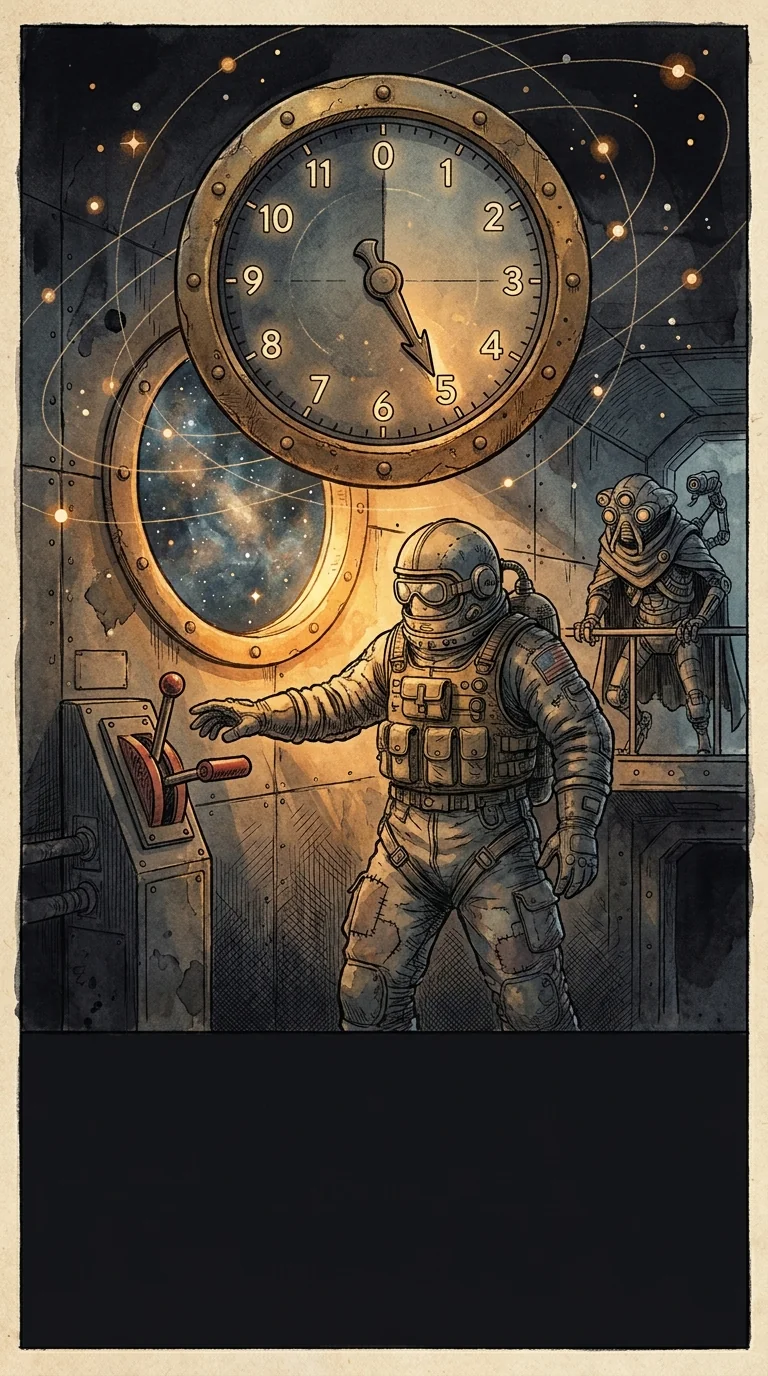
Hesitation doesn't need long. Five seconds is plenty of runway for your brain to talk you out of anything worth doing.

Most hesitation wears a costume labeled "thinking it through." But you already know what you need to do — you're just giving doubt time to build its case.

The technique is called the Launch Window. When an impulse to act hits — speak up, step forward, make the call — you count backward from five and move before you hit zero. Backward, because your brain can't count down and build excuses at the same time.
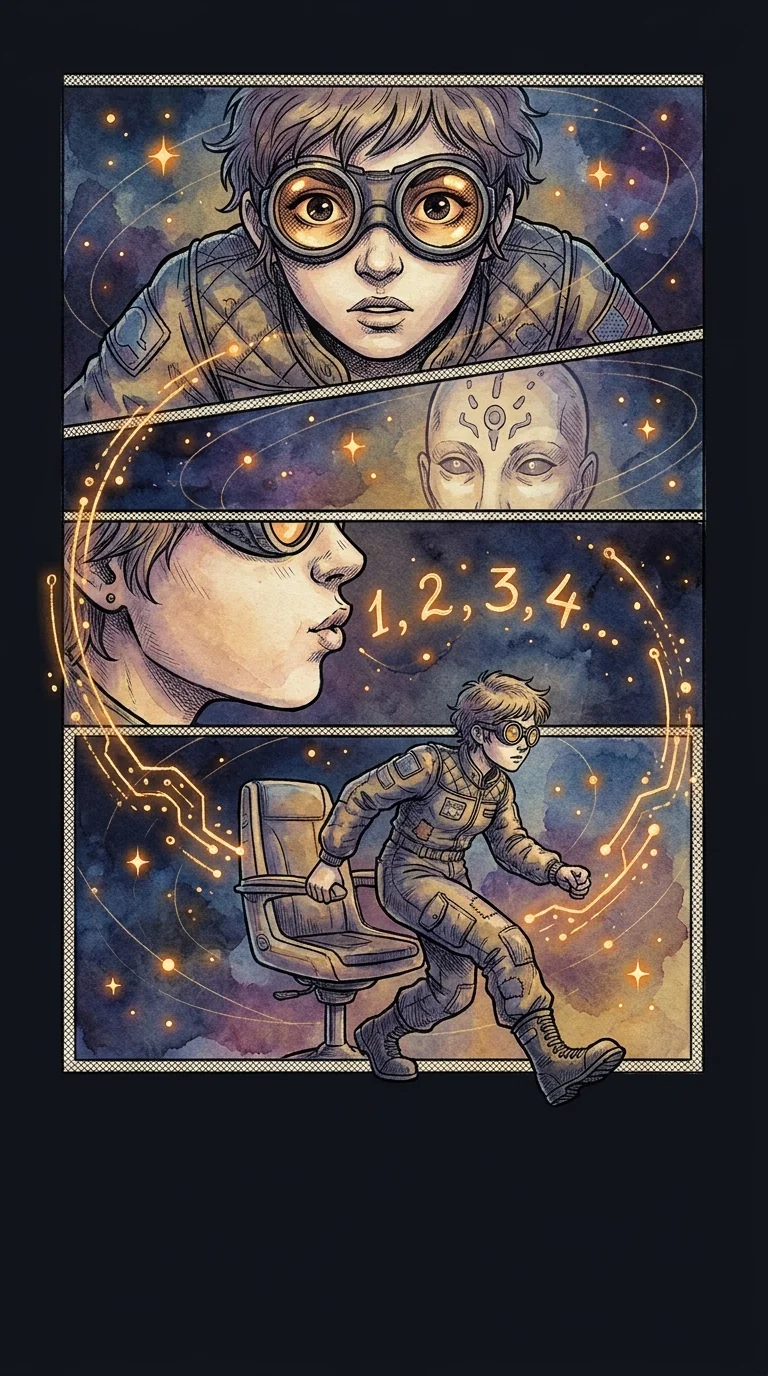
Here's how you use it. Feel the impulse — the moment you know you should act. Count 5-4-3-2-1, then physically move. Raise your hand, open your mouth, stand up. The body leads; the brain follows. That's the whole trick.
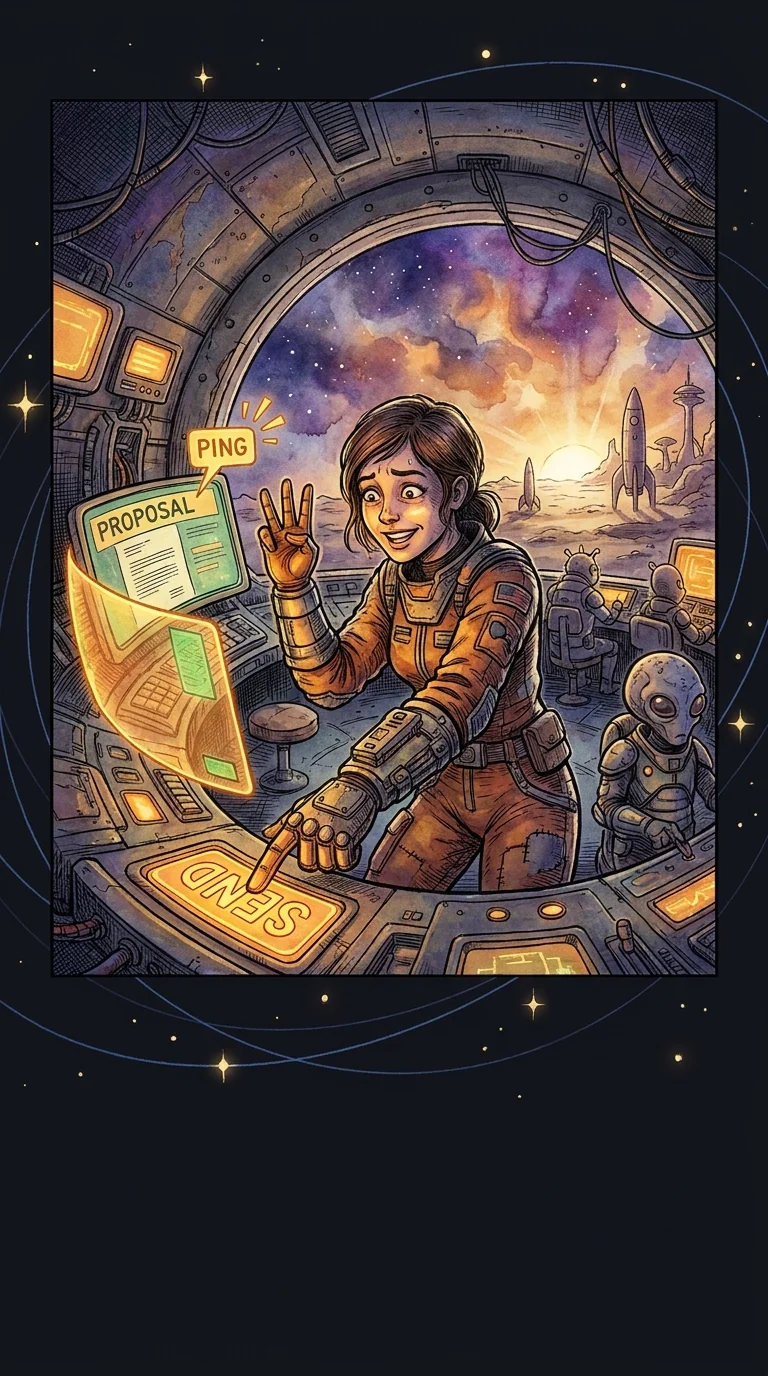
Sarah had a proposal ready for two weeks. Every morning she opened the file, reread it, closed it. Tuesday she caught the impulse — 5, 4, 3, 2, 1 — and hit send before she finished exhaling. Her boss replied in nine minutes. Spoiler: he liked it.

Today, pick one thing you've been putting off — something small enough to finish, important enough to matter. Feel the impulse, count it down, and move. The window's open right now.