The Avoidance Trap
You skipped the party. You cancelled the presentation. You stayed home where it was safe — and somehow you feel worse than before. Funny how that works.
Part 1: The Avoidance Trap — Concept
+5 XP on completion

You skipped the party. You cancelled the presentation. You stayed home where it was safe — and somehow you feel worse than before. Funny how that works.
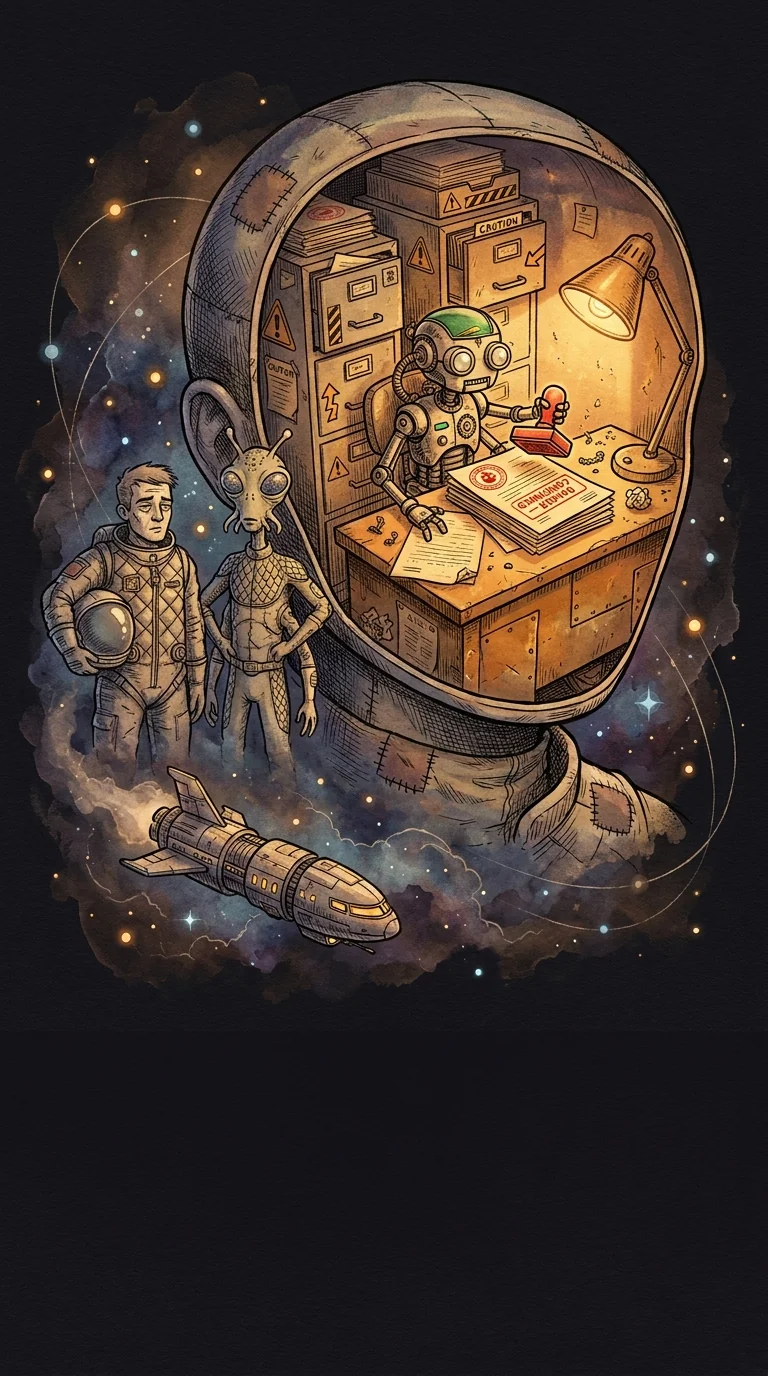
Every time you dodge the thing that scares you, your brain files a report: 'Danger confirmed — good thing we ran.' The relief feels like proof you made the right call. It's not.
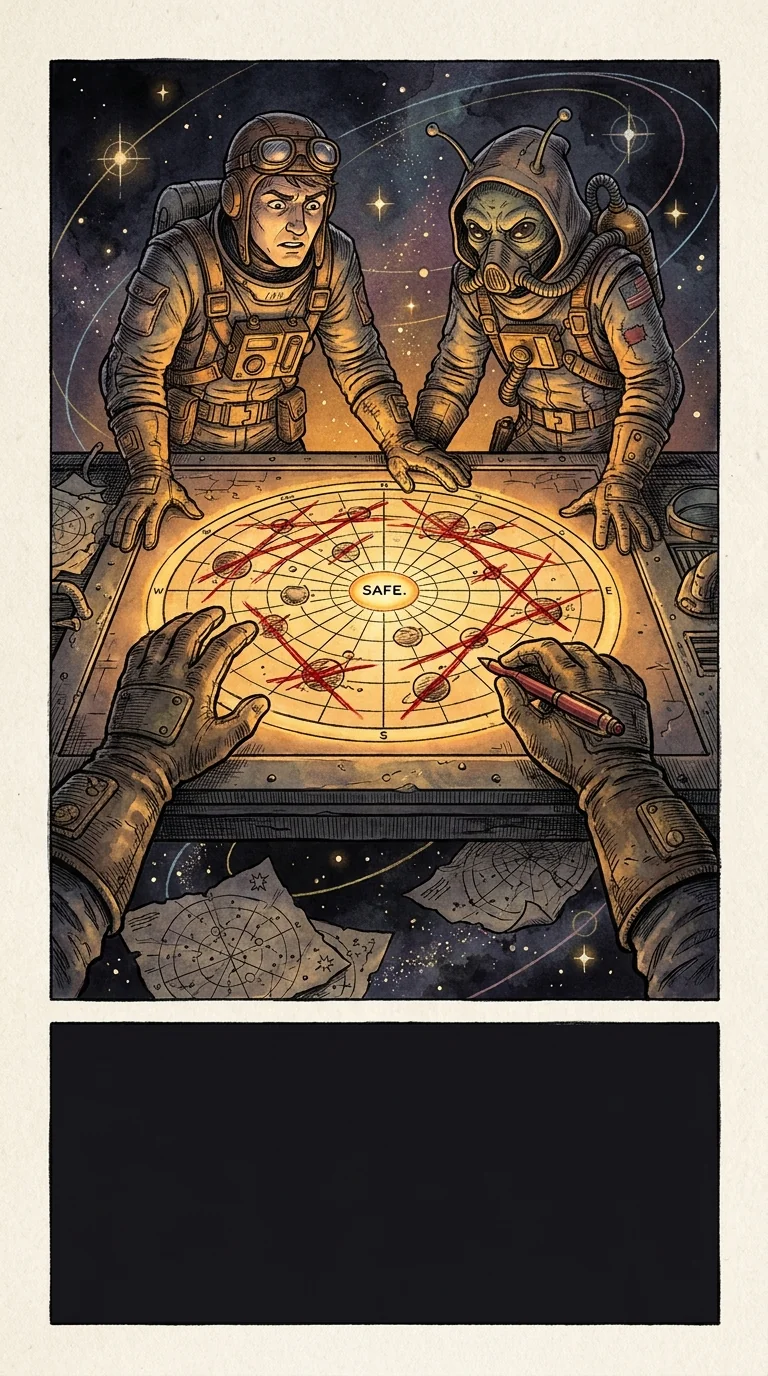
Here's what nobody admits: avoidance doesn't reduce anxiety. It teaches it. Each escape shrinks the territory where you feel safe — until the map has almost nowhere left on it.
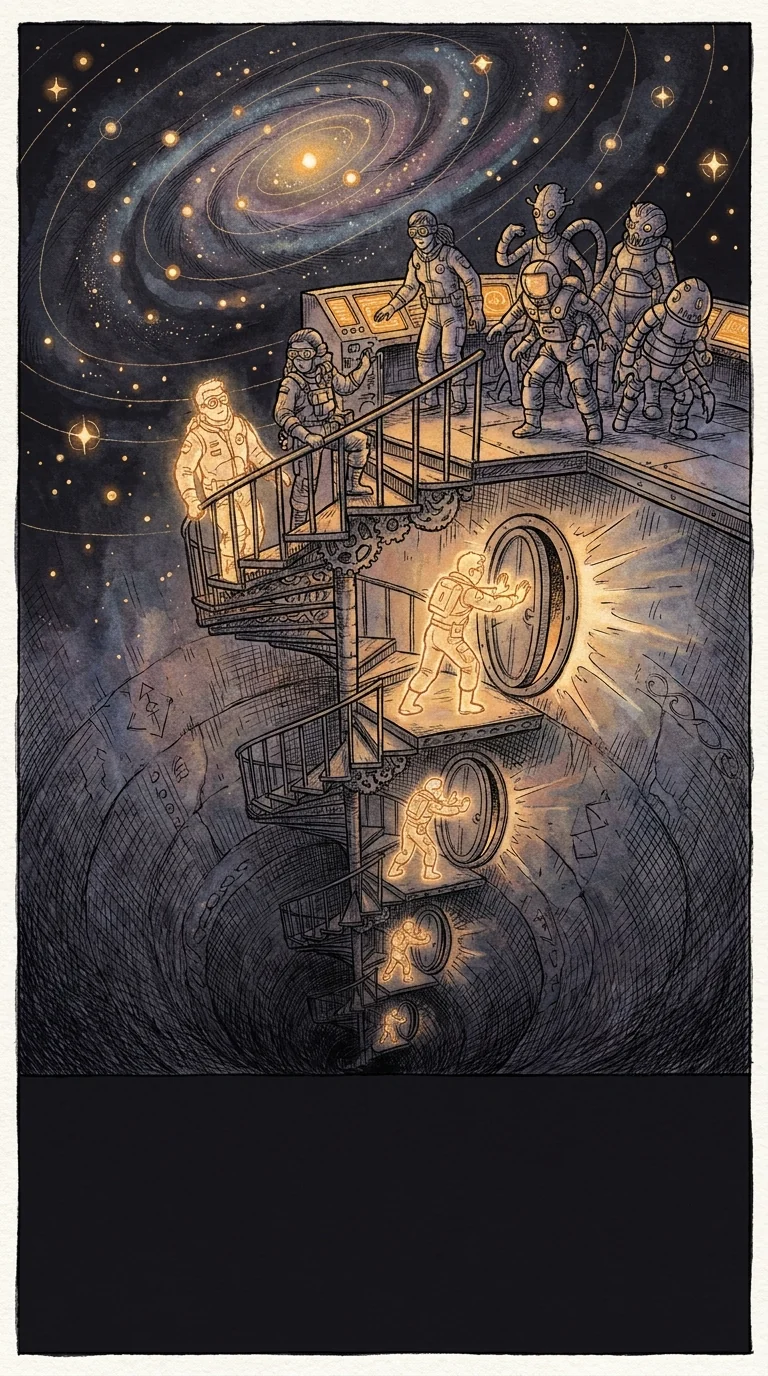
The mechanism is a loop: anxiety flares, you avoid, relief hits, your brain decides the threat was real. Next time, the anxiety arrives earlier, louder, and for something smaller. The cage builds itself from the inside.
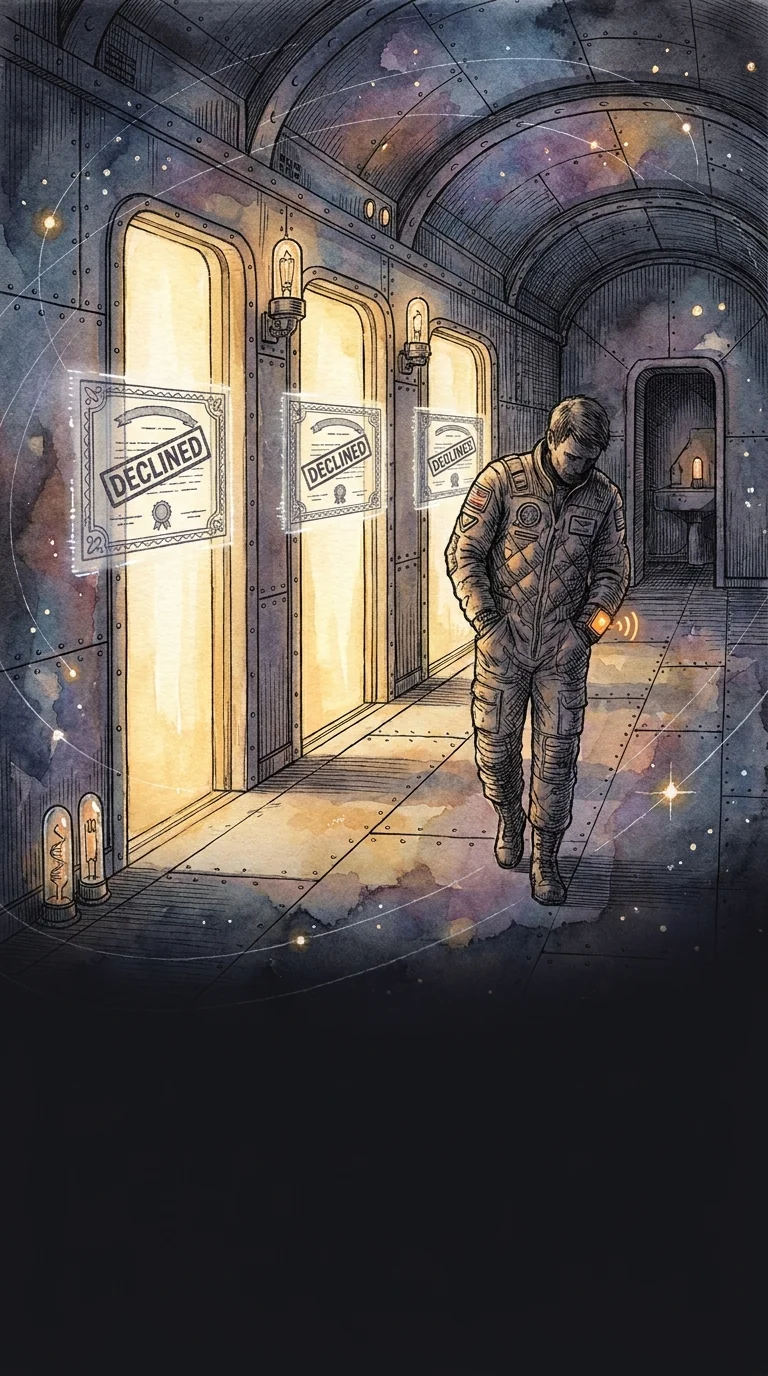
Marcus turned down three promotions in two years. Not because he couldn't do the work — because each 'no' felt like dodging a bullet. By the third one, even opening his work messages made his chest tight. The bullets were blanks. The fear was the only thing that was loaded.

The trap is real, but it only works if you don't see it. Now you see it. In Part 2, you'll practice a quick exposure exercise to take one small step back onto the map. See you there.
Part 2: The Avoidance Trap — Practice
+10 XP on completion
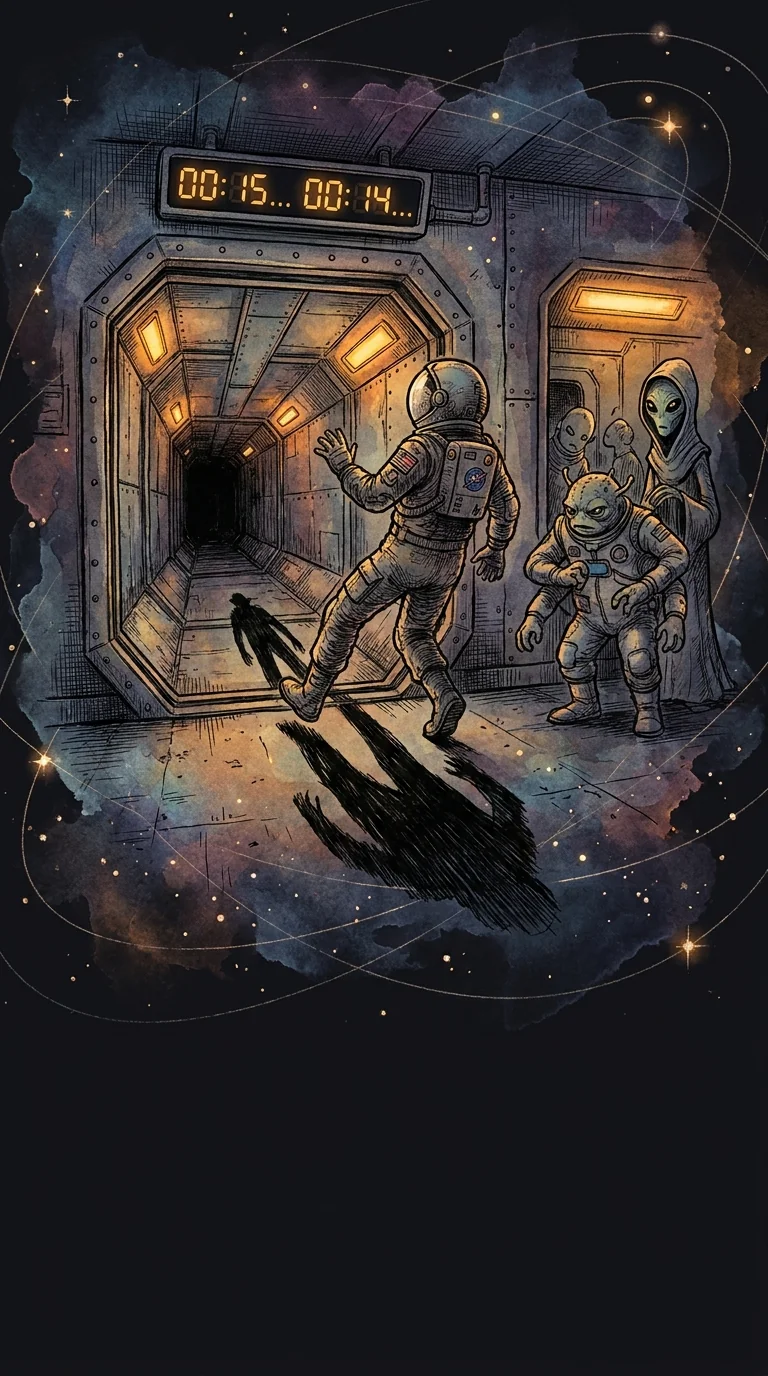
Every time you dodge the thing that scares you, your brain files it under 'confirmed threat.' You're not staying safe — you're training yourself to shrink.
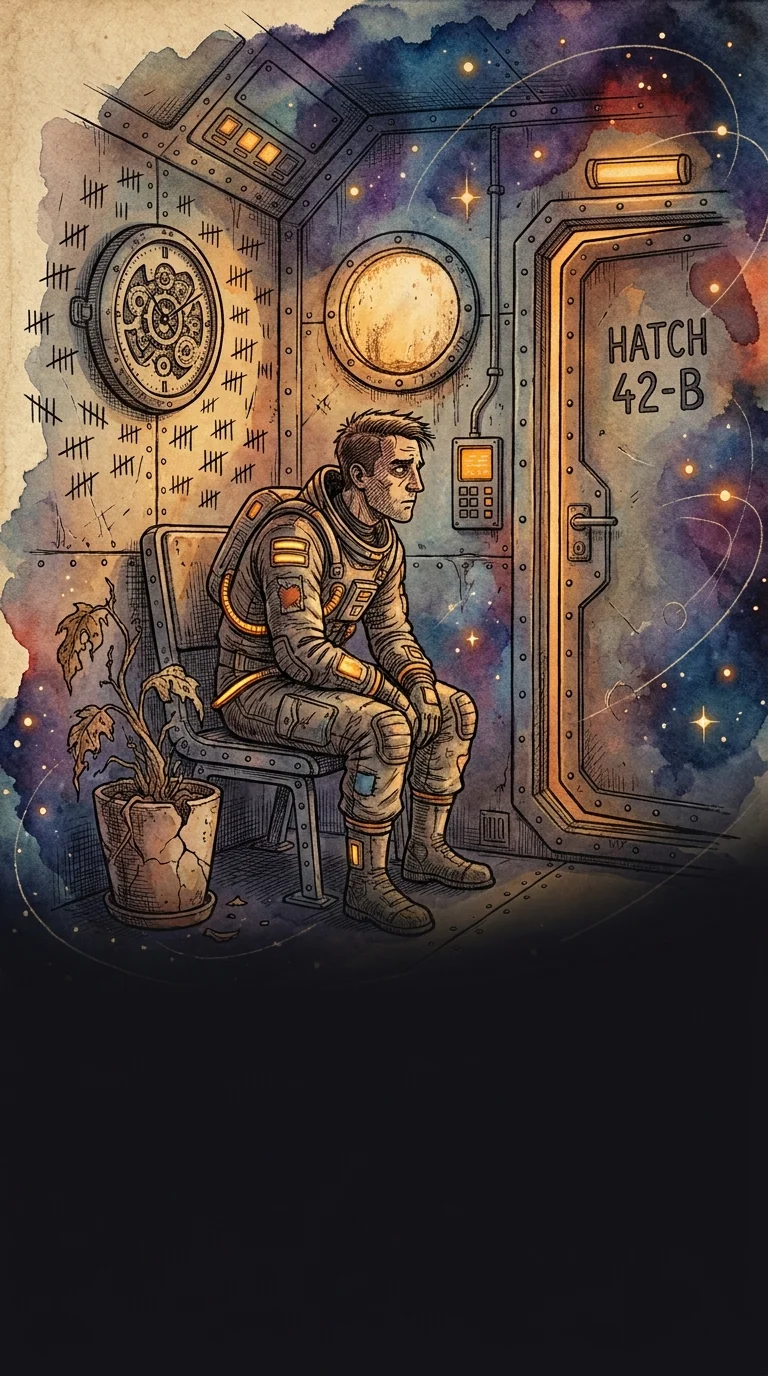
The instinct is to wait until the anxiety passes before you act. Spoiler: it doesn't pass. It just gets a bigger office.
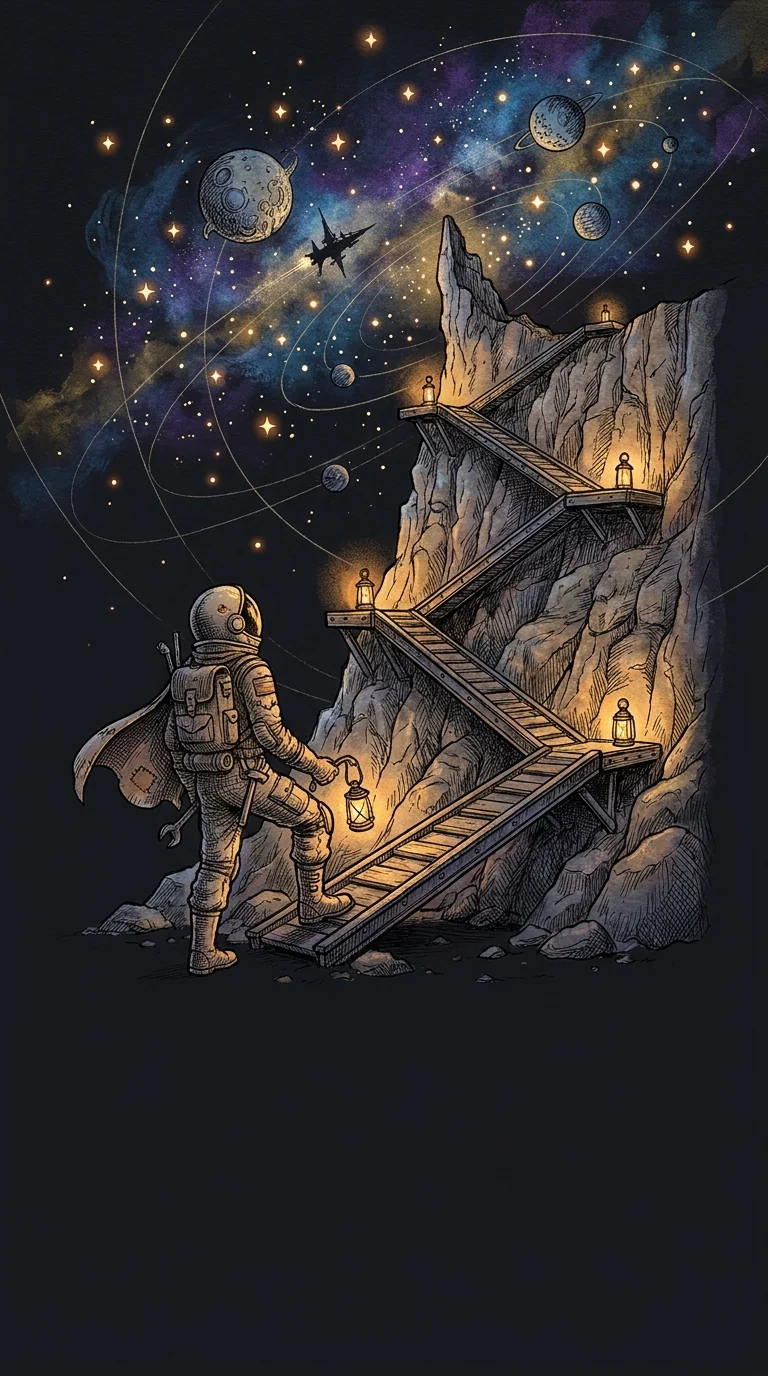
The technique is called the Approach Ladder. Instead of vaulting over the fear or running from it, you build a ramp — small, deliberate steps toward the thing you've been avoiding.
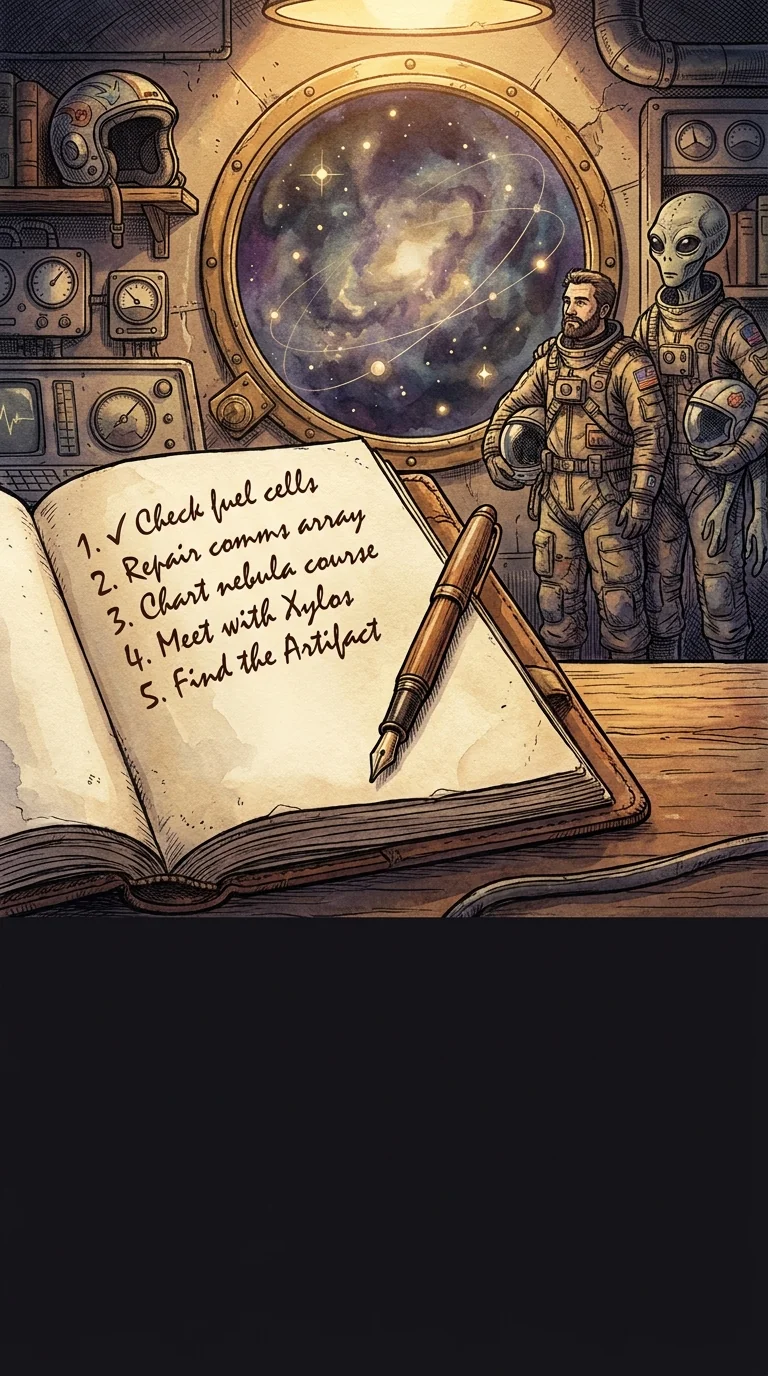
Step one: name what you're avoiding. Step two: list five versions of it, from mildly uncomfortable to full-contact scary. Step three: do only the first one today. That's it. Your nervous system needs proof that discomfort isn't destruction.
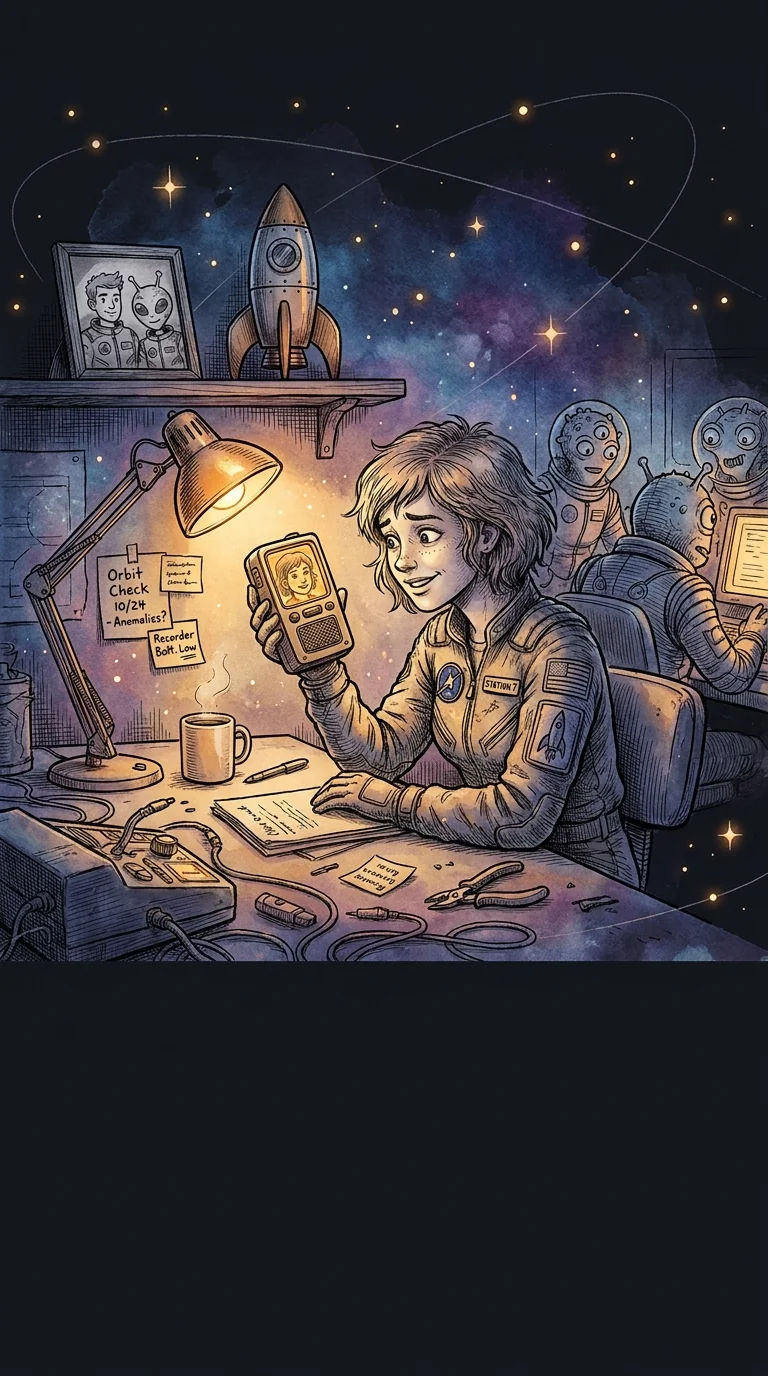
Lisa had avoided video calls for months — camera off, every time. Her ladder started with recording a five-second clip of herself saying hello. Nobody watched it. Didn't matter. Her hands shook less the second time.
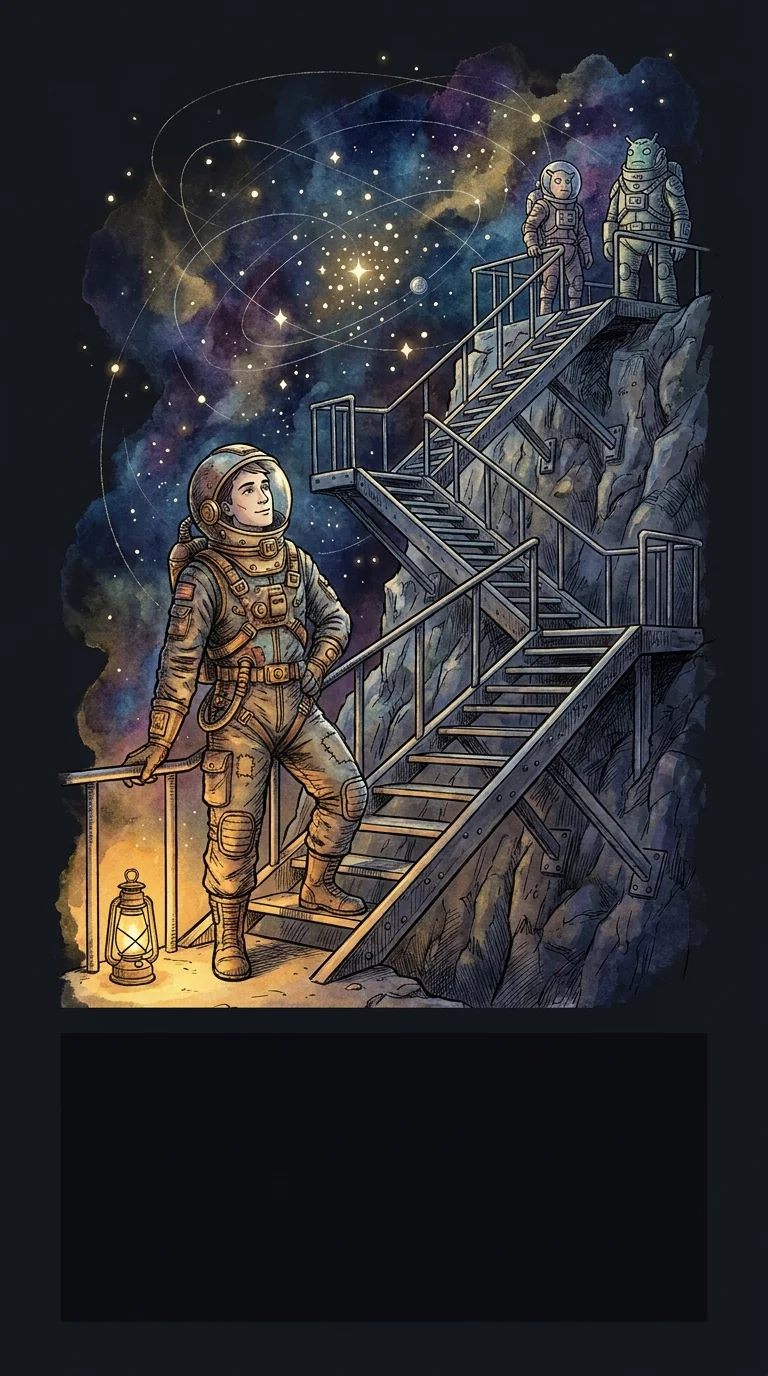
You don't need to conquer the whole list today. You just need to prove — once — that the first rung holds your weight. It does.