Thought Patterns That Trap You
You ever notice how one bad morning can rewrite the whole story of your life? By 9 AM you've gone from 'I spilled coffee' to 'I ruin everything I touch.'
Part 1: Thought Patterns That Trap You — Concept
+5 XP on completion
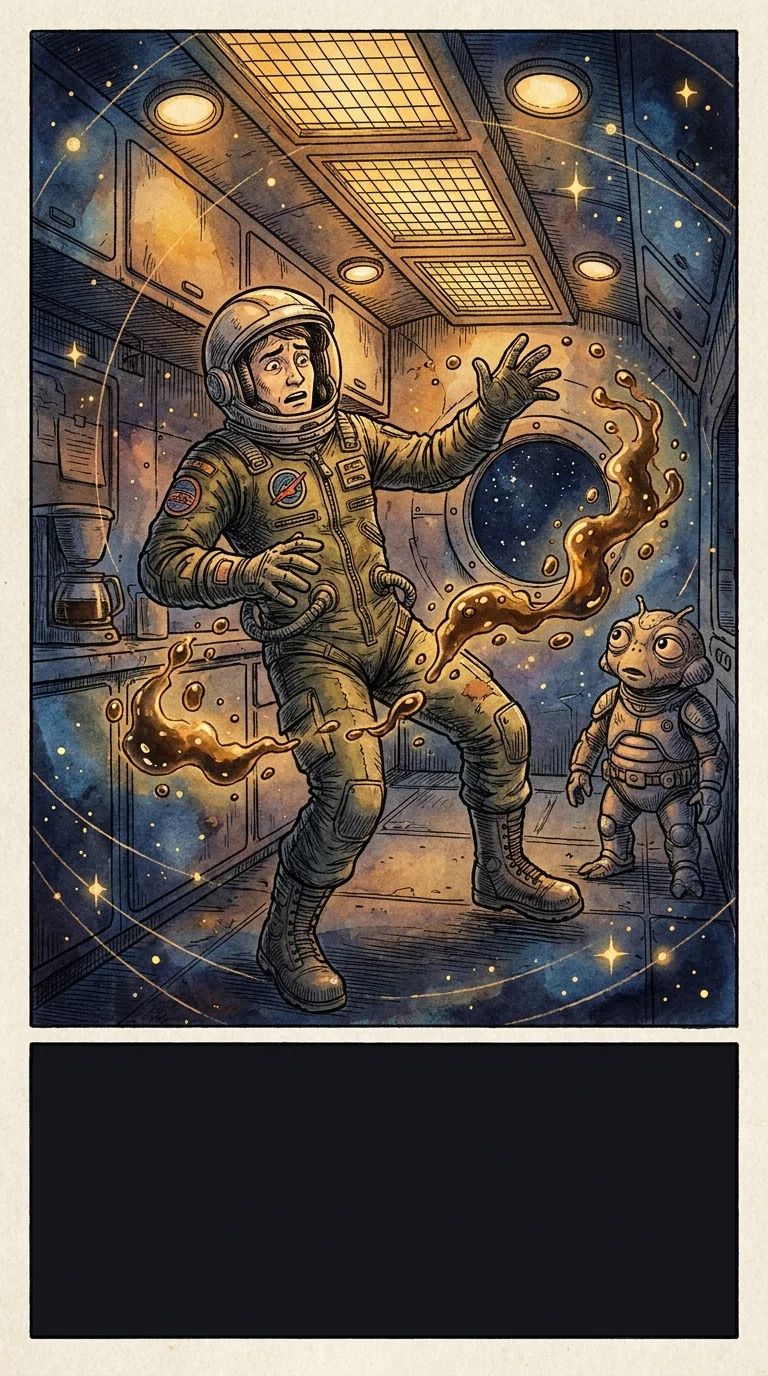
You ever notice how one bad morning can rewrite the whole story of your life? By 9 AM you've gone from 'I spilled coffee' to 'I ruin everything I touch.'

Your brain runs background programs you never installed. Cognitive distortions — quiet little scripts that take one data point and spin it into a catastrophe before you've finished breakfast.
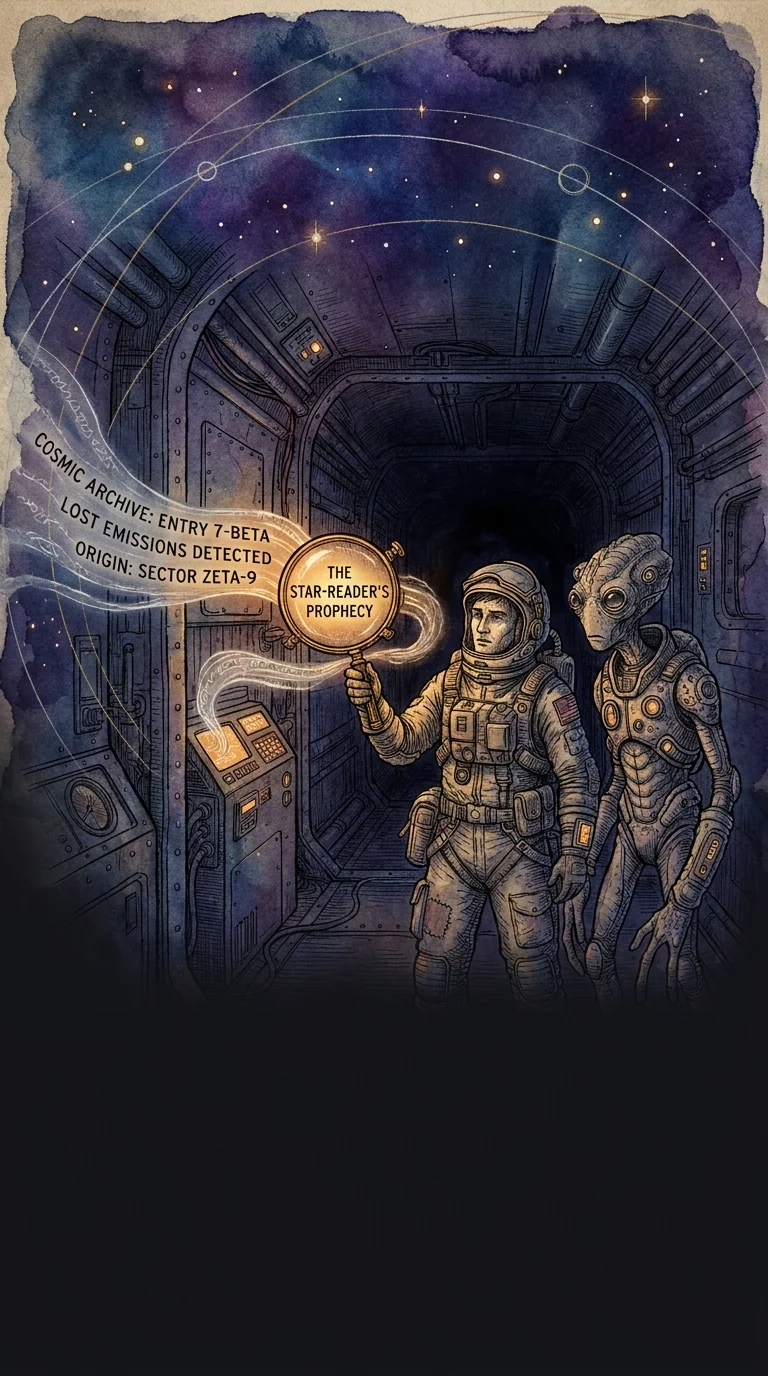
The trick isn't silencing them — it's catching them mid-sentence. A distortion you can name is a distortion that loses its authority. Unnamed, it just sounds like the truth.

There's a short list of the usual suspects: all-or-nothing thinking, catastrophizing, mind-reading, and the crowd favorite — personalizing things that had nothing to do with you. Each one warps a single moment into a verdict.

Marcus missed one deadline and his brain handed him the full screenplay: he'd be fired, broke, starting over on some moon colony nobody remembers. Then he caught the word 'always' in his own sentence and stopped. One deadline. That's what actually happened.

Naming the pattern doesn't fix everything — but it stops the freefall long enough to think. In Part 2, you'll practice catching your own distortions in real time. See you there.
Part 2: Thought Patterns That Trap You — Practice
+10 XP on completion

Your brain runs distortions like background processes on an old ship computer — quietly, constantly, eating up all the good fuel. Time to open the task manager.

Most distortions survive because they never get named. A thought like "everything always goes wrong" feels like weather — inevitable, impersonal — until you tag it as catastrophizing and realize it's just a voice wearing a lab coat.

The technique is called Catch, Name, Reframe. You catch the thought mid-flight, give the distortion its actual name, then ask yourself what you'd say to a friend running the same bad math.

Here's how it works: when a thought stings, pause and write it down raw. Then check it against the usual suspects — all-or-nothing, mind-reading, catastrophizing, should-statements. Once named, rewrite the thought as if you were advising someone you actually like.

Lisa got passed over for a project lead role and her brain immediately offered: "They'll never take me seriously." She caught it, named it — mind-reading — and rewrote it: "I don't actually know what they think. I can ask." She asked. Turns out they thought she was overqualified.

You don't have to believe every dispatch your brain sends. Catch it, name it, reframe it — and you start flying on real data instead of ghost signals. The distortions don't disappear, but they lose the uniform.