Conversation Starters That Actually Work
You're standing near someone interesting at a gathering and your brain helpfully offers you… nothing. Just static and a vague urge to check your phone.
Part 1: Conversation Starters That Actually Work — Concept
+5 XP on completion
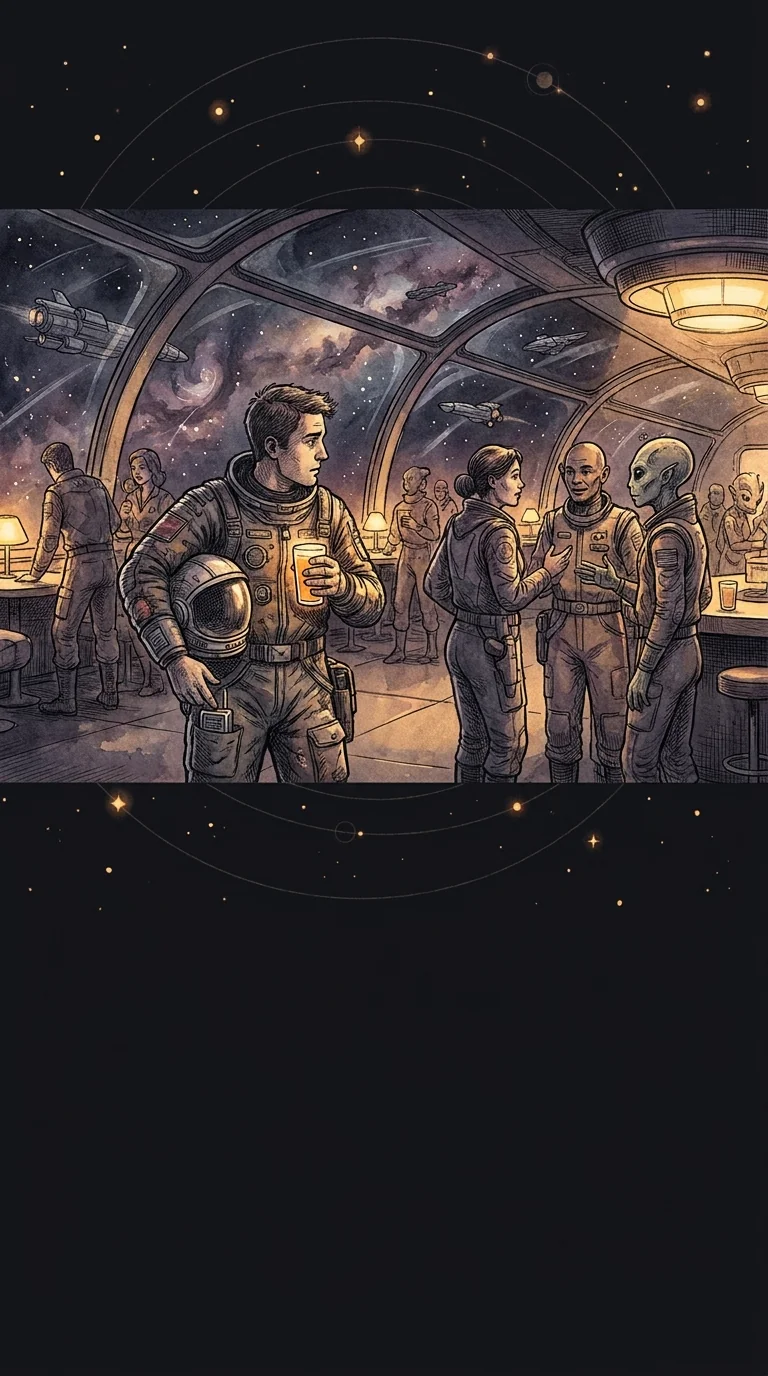
You're standing near someone interesting at a gathering and your brain helpfully offers you… nothing. Just static and a vague urge to check your phone.
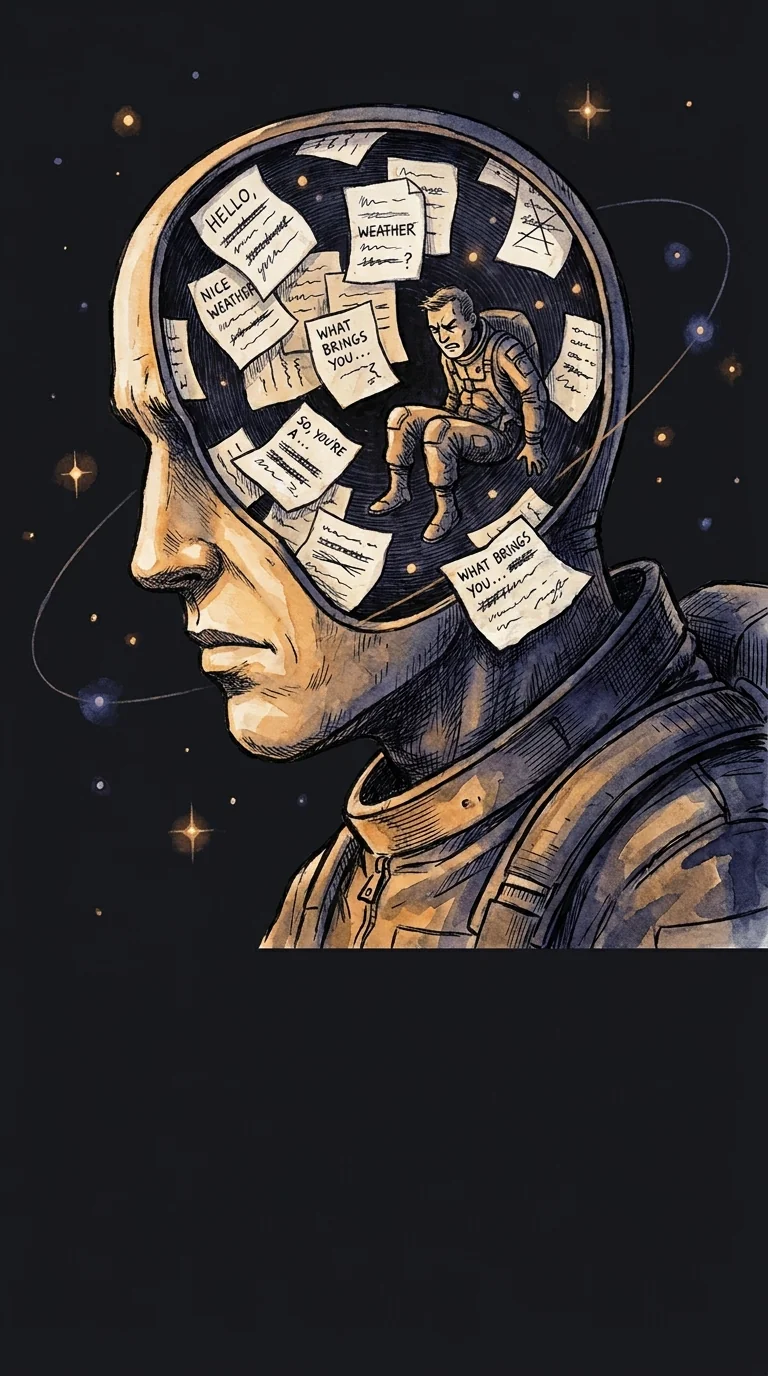
Your brain insists you need the perfect opening line — something clever, memorable, worthy of the moment. That search for perfection is exactly what keeps your mouth shut.
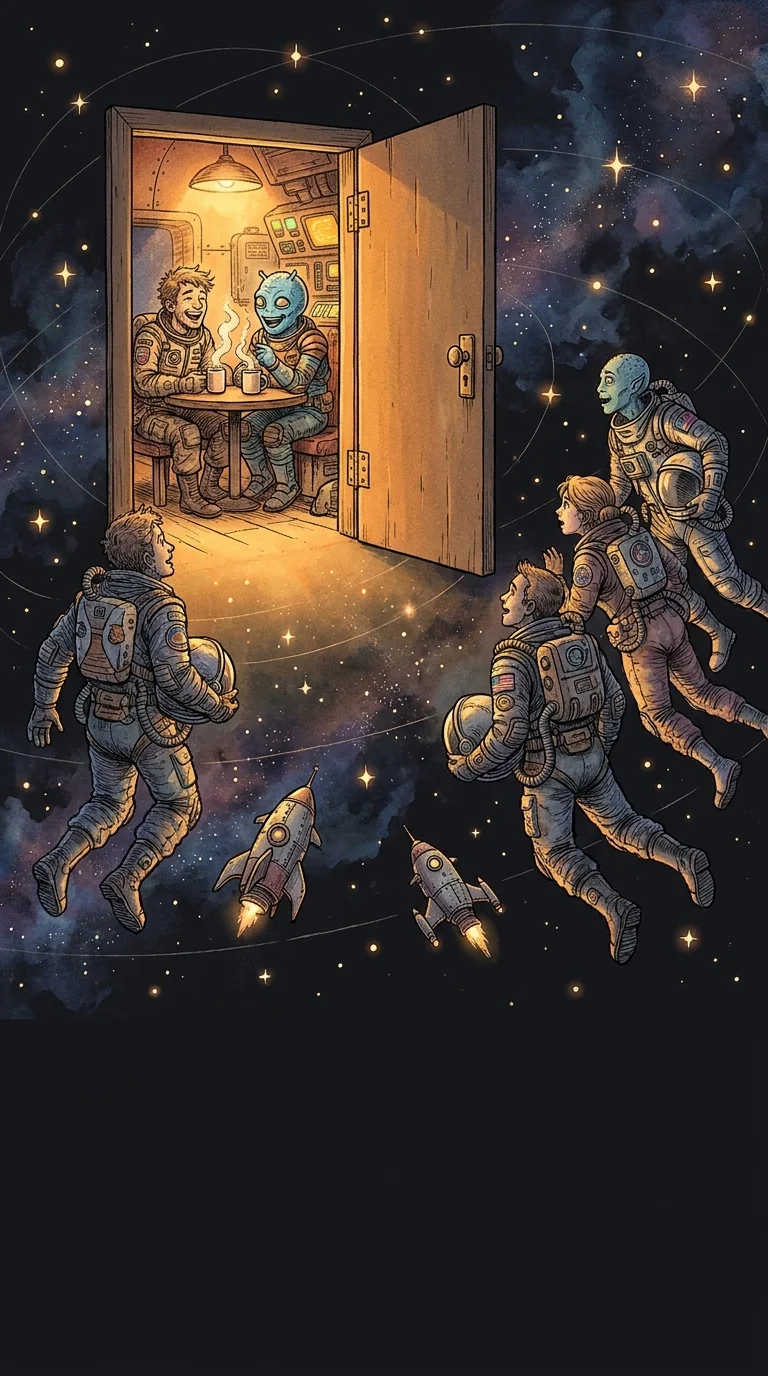
The best conversation starters aren't clever. They're observational, obvious, even boring — because the opener isn't the conversation. It's just the door.
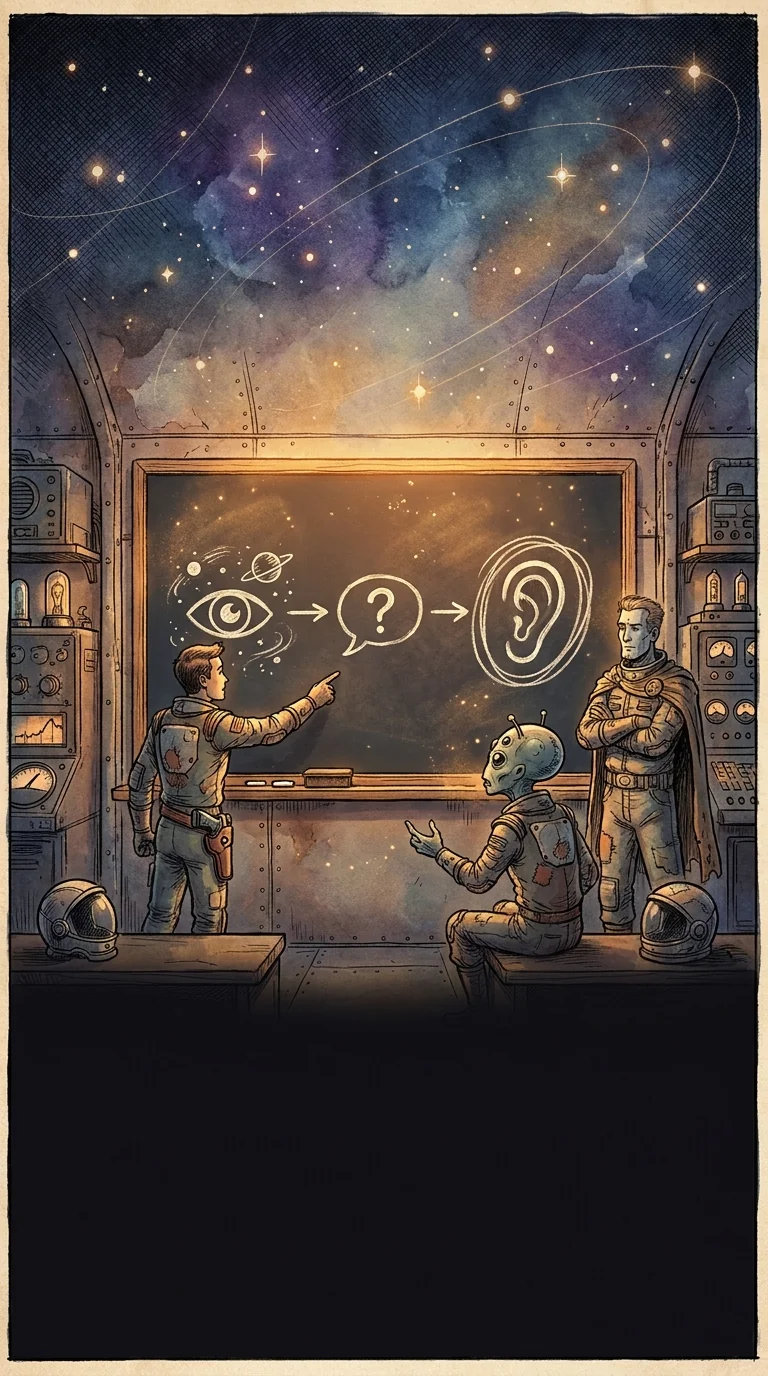
Comment on something shared — the room, the event, the food. Ask one genuine question. Then do the hard part: actually listen to the answer. That's the whole technique. Annoyingly simple, isn't it.
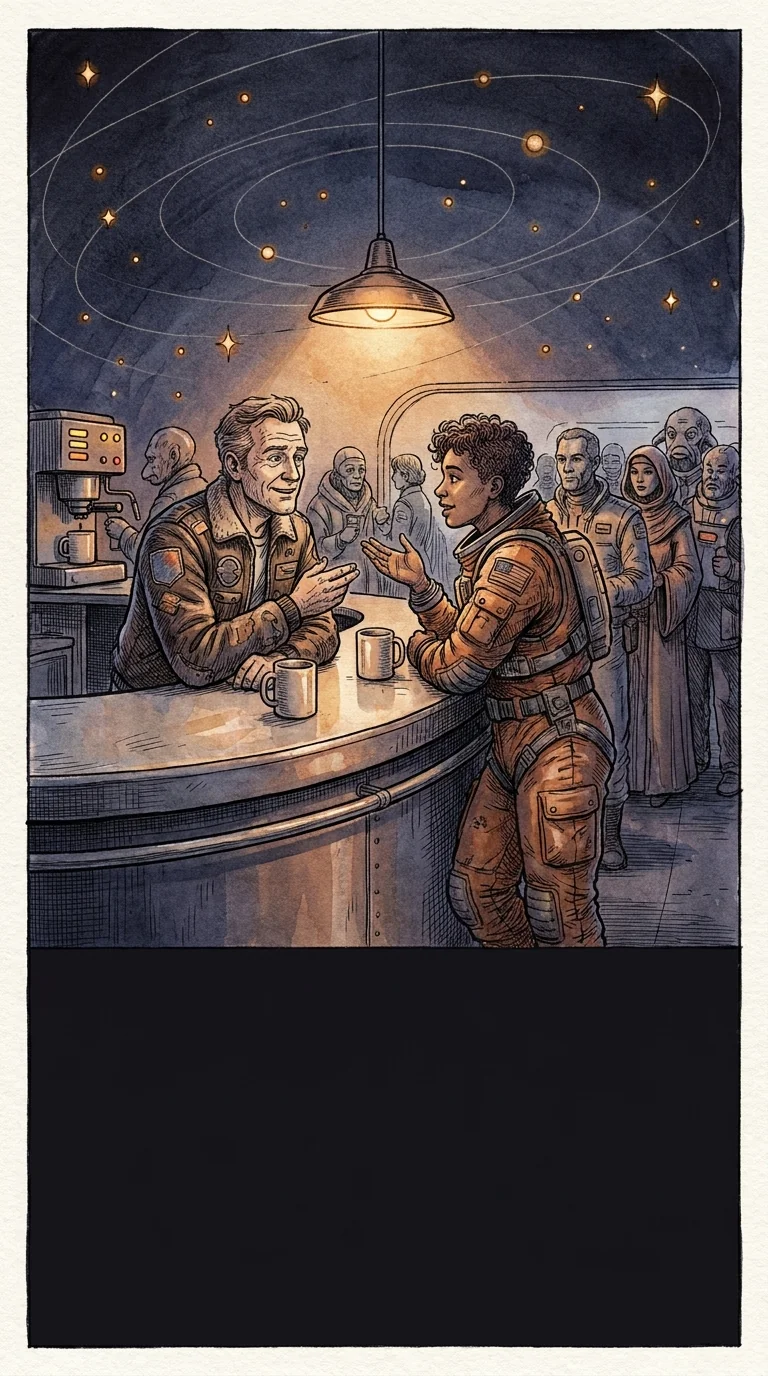
Marcus spent years rehearsing witty openers that he never actually used. Last week he tried "This coffee line is brutal" with a stranger. Twenty minutes later they were swapping career stories. The opener he'd been agonizing over? Neither of them remembered it.
The opener doesn't carry the conversation — you do. And you've already got what you need for that. In Part 2, you'll practice three dead-simple conversation starters you can use anywhere. See you there.
Part 2: Conversation Starters That Actually Work — Practice
+10 XP on completion
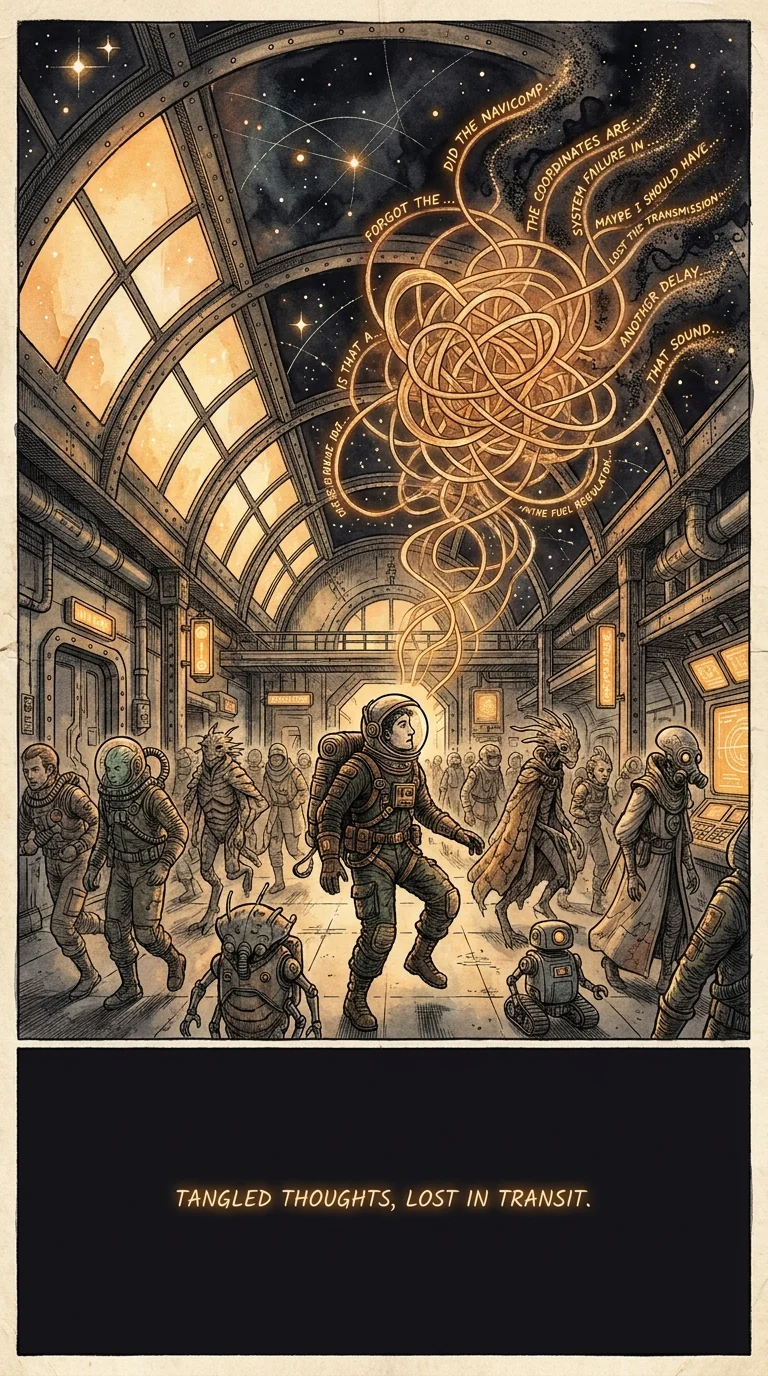
Your brain wants a perfect opening line. Your brain is overthinking this by roughly four hundred percent.
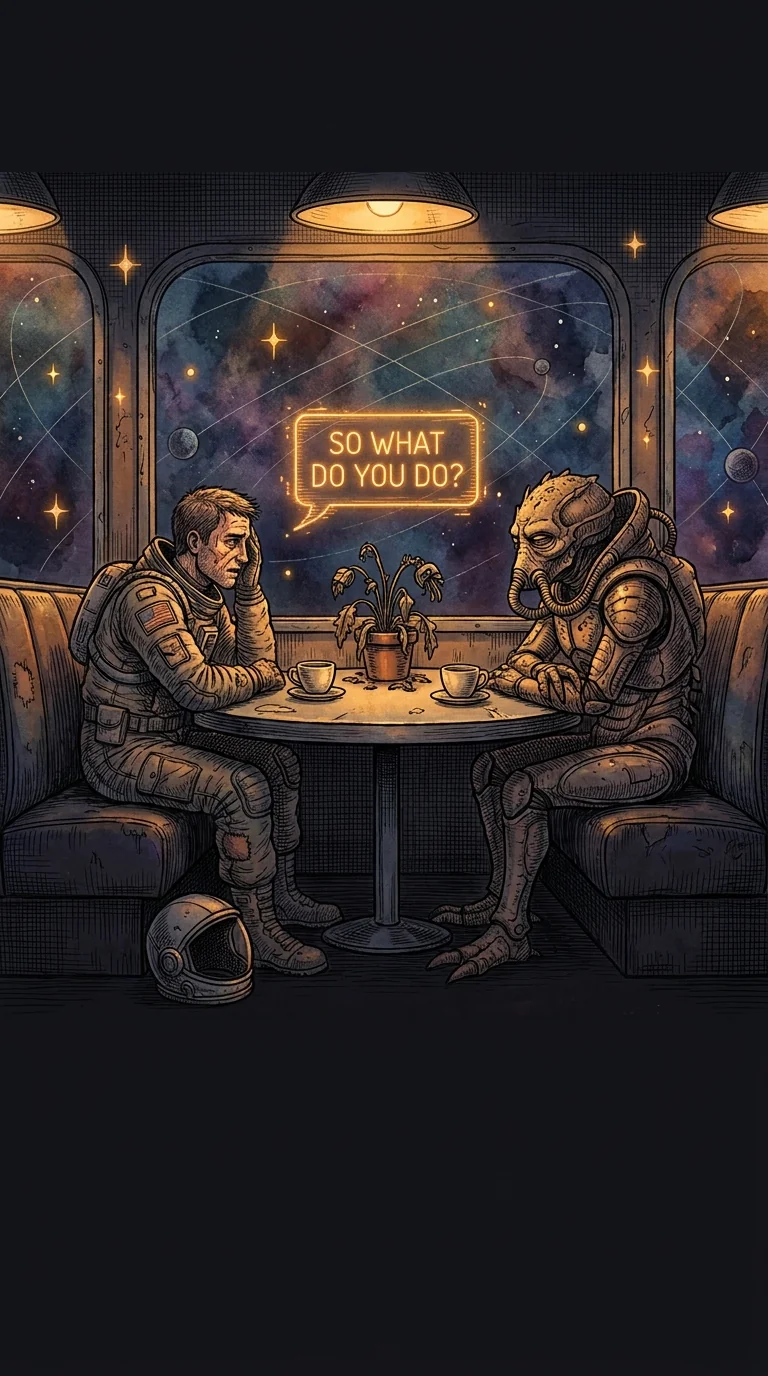
We rehearse clever lines, panic, then default to 'so what do you do?' — a question so autopilot it practically files its own flight plan. The other person gives a one-word answer and you're both stuck.
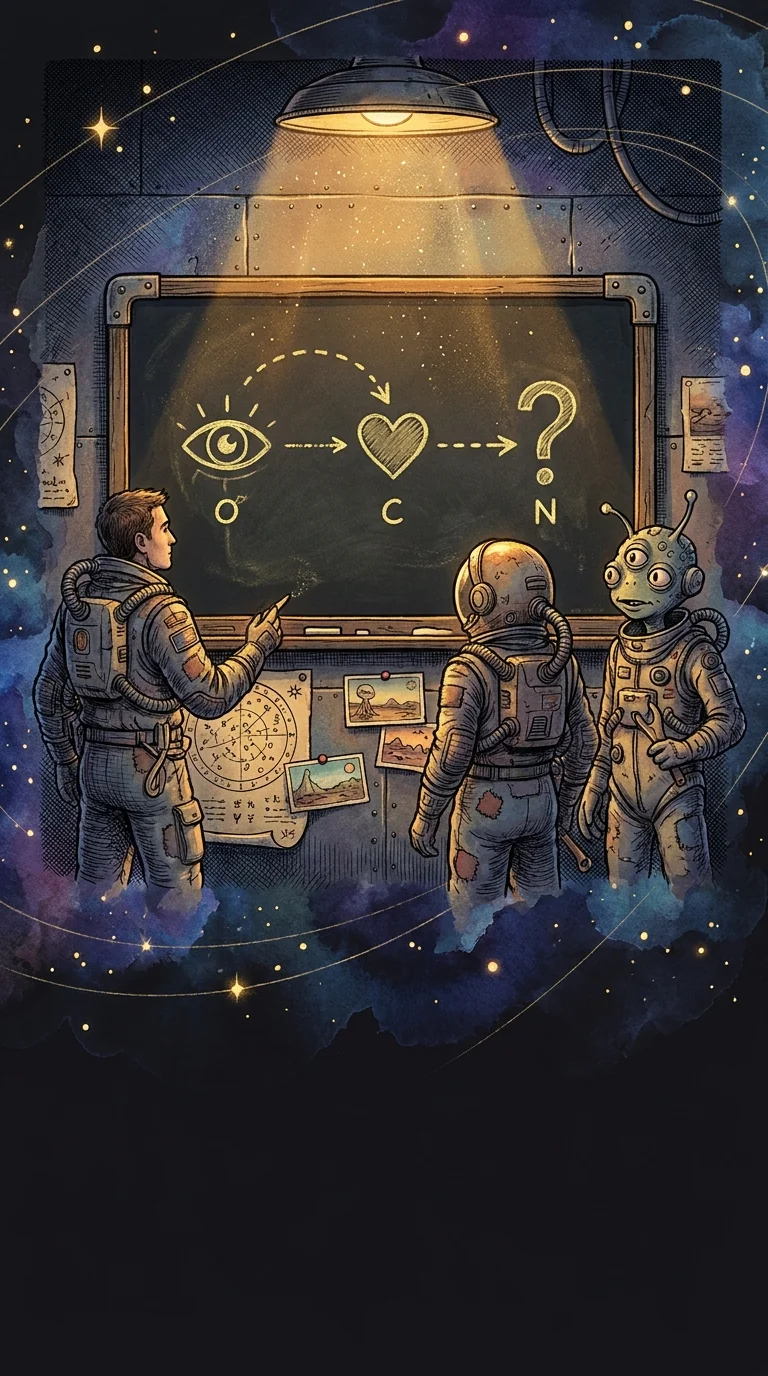
Try the O-C-N method: Observe something in the moment, Connect it to a feeling or experience, then ask a Nearby question. It's three moves — not a performance.
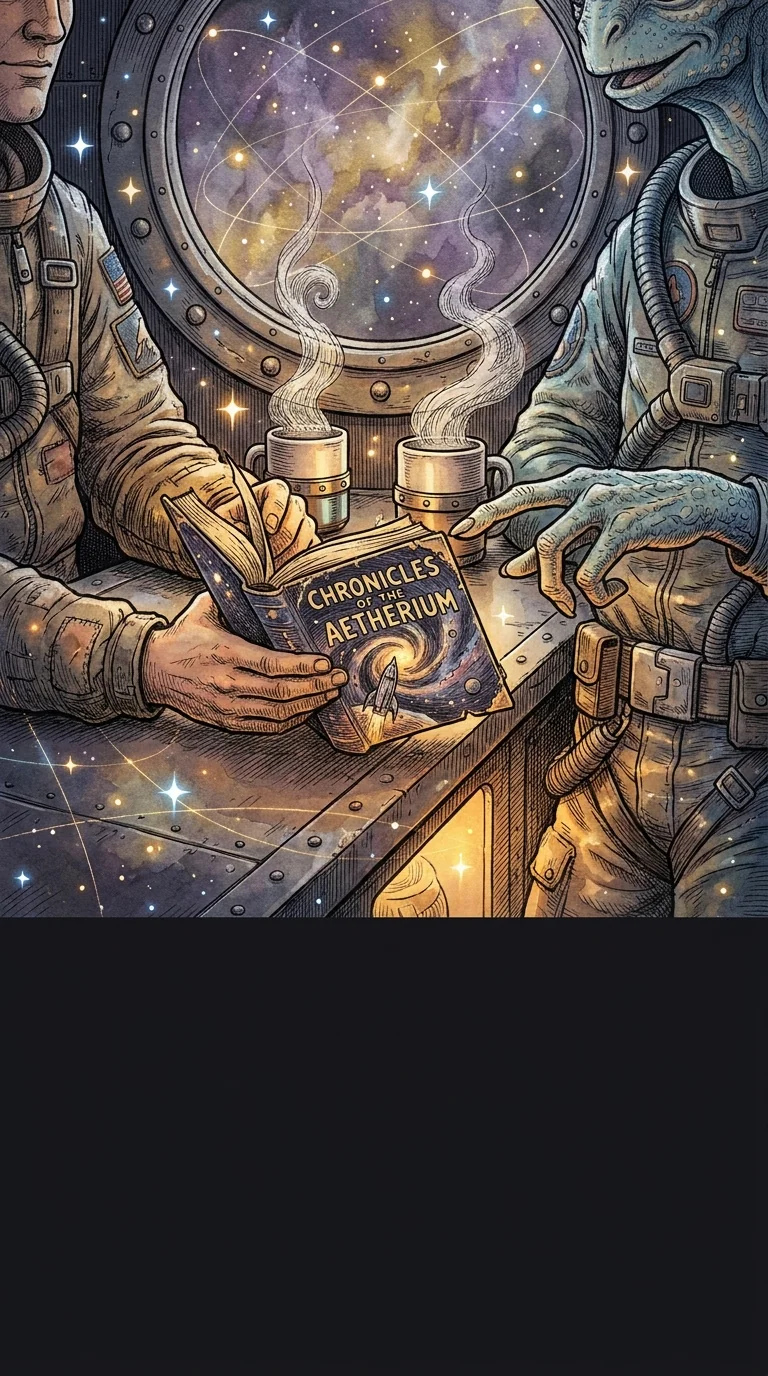
Observe: 'That book looks well-traveled.' Connect: 'I always wreck the spines on the ones I actually love.' Nearby question: 'Is it as good as it looks?' Three sentences. Nobody rehearsed anything. A conversation just started.
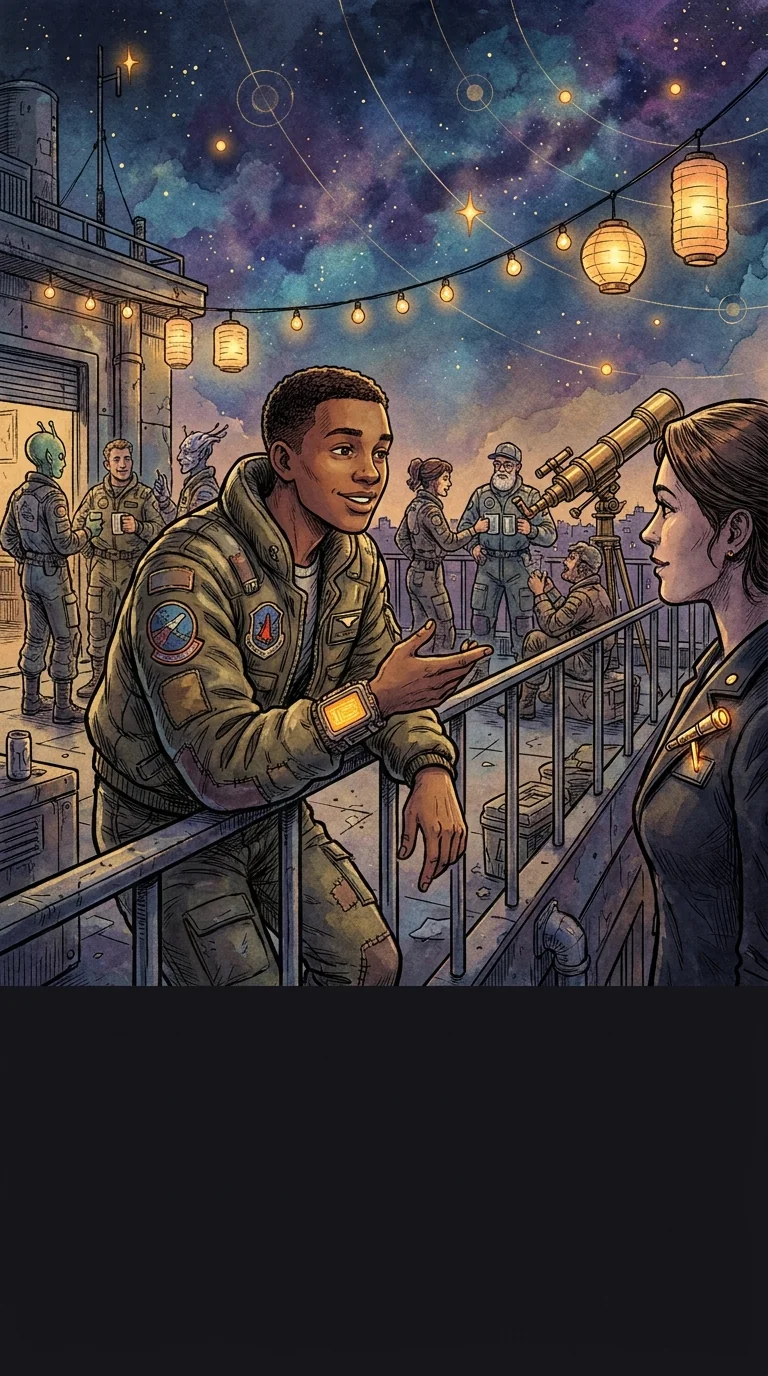
Alex spotted a woman at a community event wearing a pin shaped like a tiny telescope. 'Great pin — are you an actual stargazer or an aspirational one?' She laughed, said aspirational, and they talked for forty minutes about light pollution and childhood rooftops. All from a pin.

You don't need a script. You need three seconds of noticing and the nerve to say it out loud. That muscle gets stronger every single time you use it.