Keeping Conversations in Orbit
You got the conversation started — nice work. Then the pause hits, and your brain treats three seconds of silence like a hull breach.
Part 1: Keeping Conversations in Orbit — Concept
+5 XP on completion
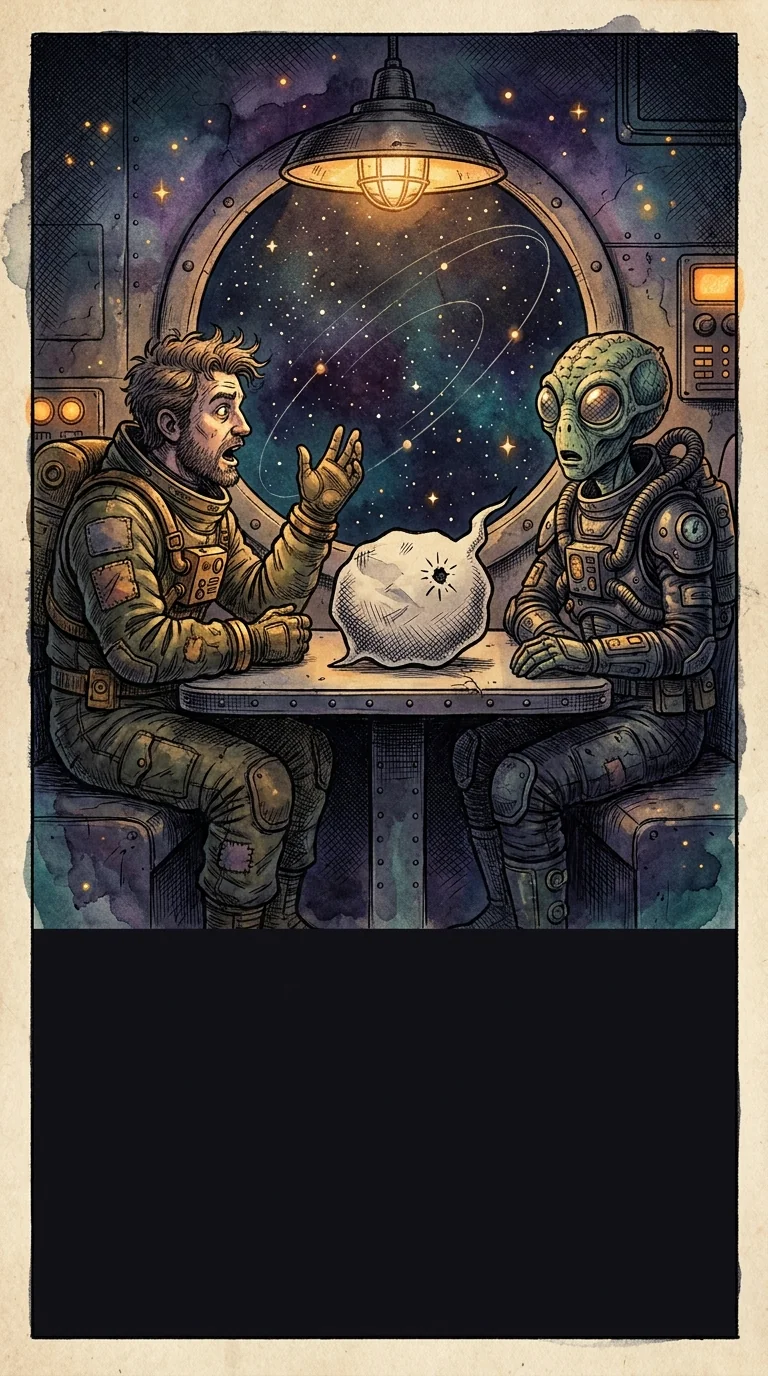
You got the conversation started — nice work. Then the pause hits, and your brain treats three seconds of silence like a hull breach.
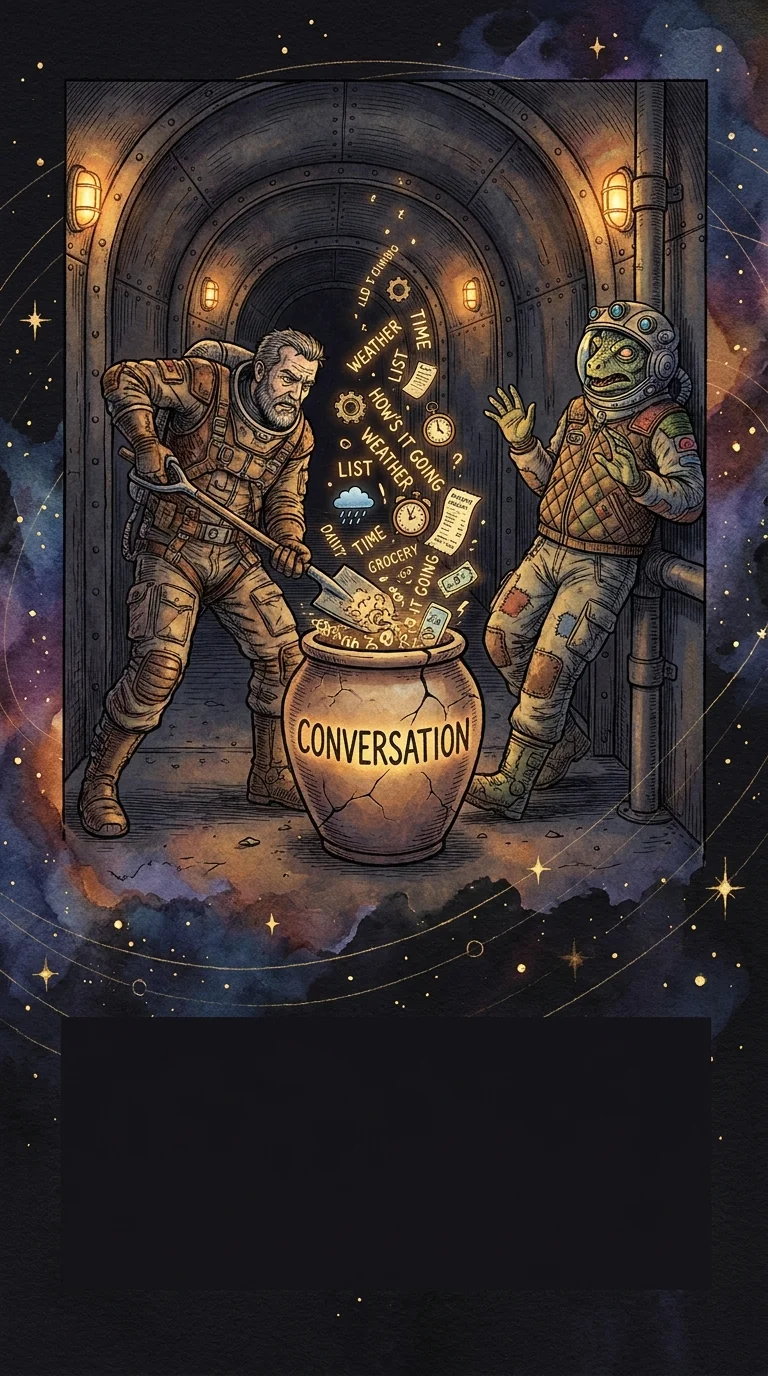
So you panic-fill. You over-share, rapid-fire questions, or launch into a monologue about your weekend plans nobody asked about. The conversation doesn't die from silence — it dies from the frantic stuffing you do to avoid it.
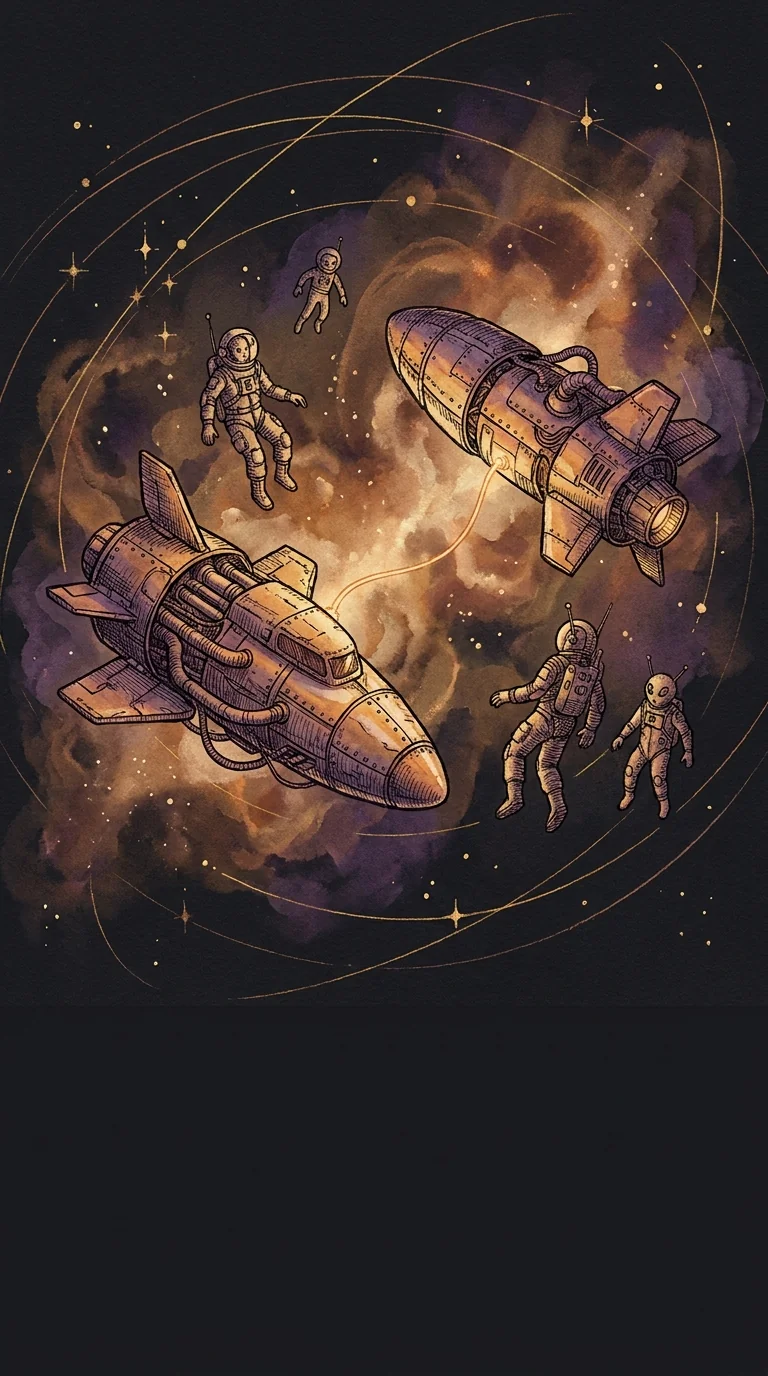
A good conversation isn't a performance you sustain. It's two people in the same orbit — close enough to pull each other back in, loose enough to let a quiet moment just float there.
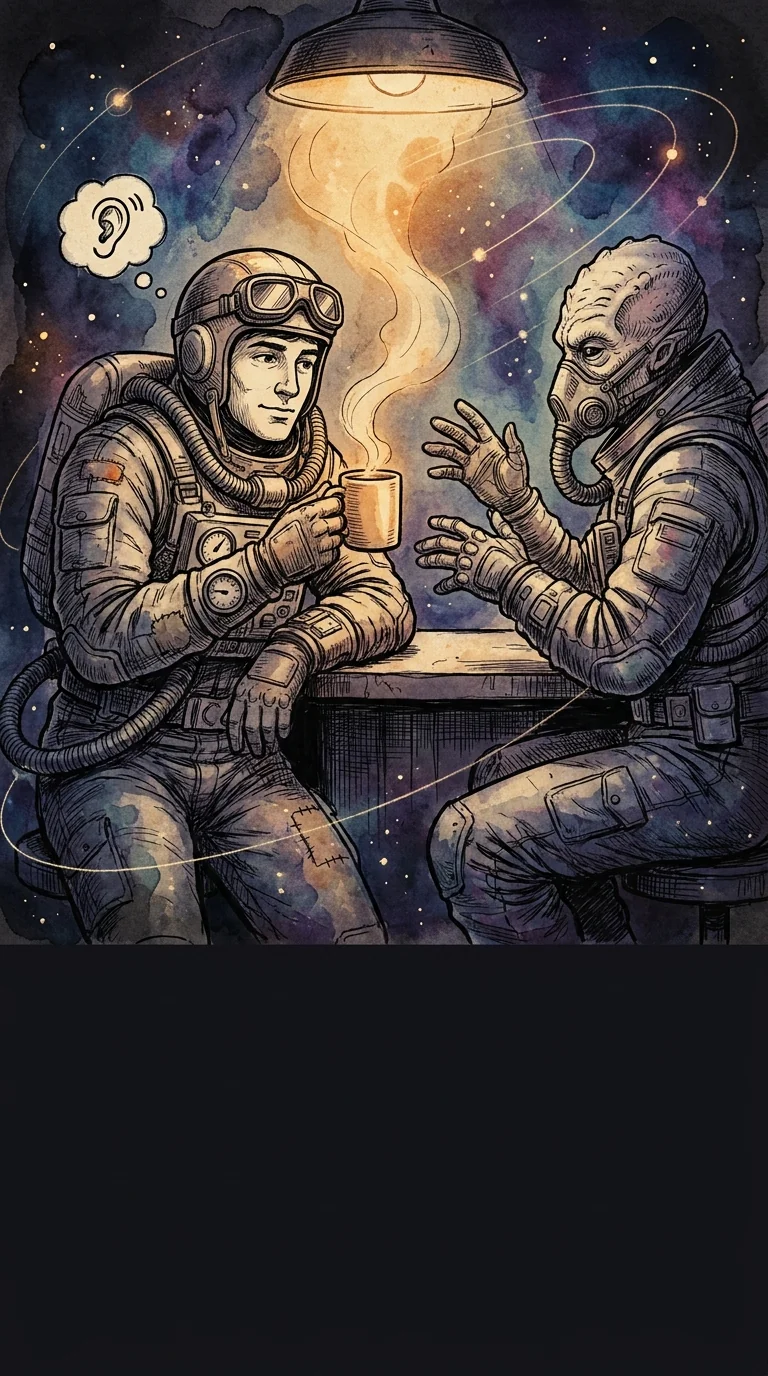
The technique is embarrassingly simple: when the lull comes, stay curious instead of performing. Notice something. Ask about something they actually said. Or just breathe and let them fill the space — people almost always do.
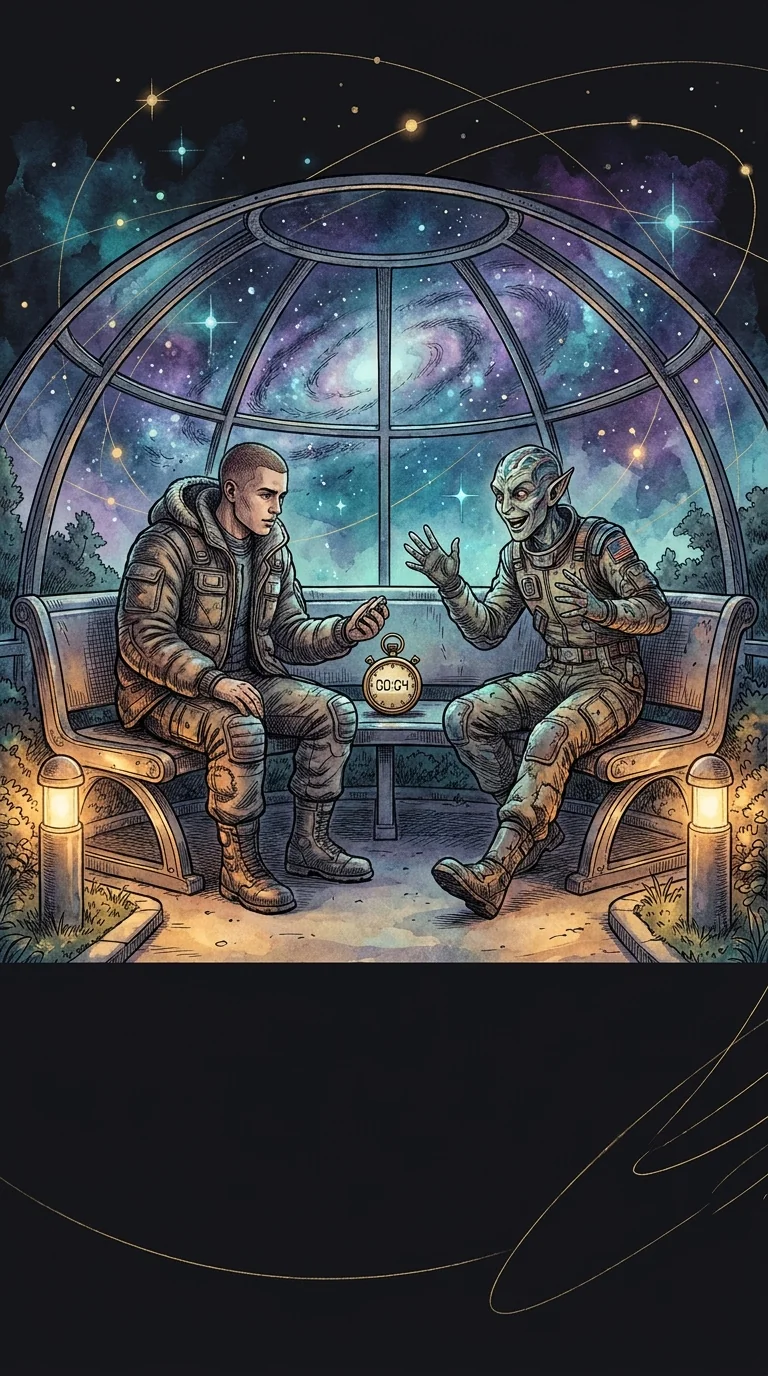
Marcus used to treat every pause like a countdown to rejection. Last week he let one land — four whole seconds — and the other person said, "Actually, that reminds me of something." The conversation ran another forty minutes. Turns out silence wasn't the problem. His fear of it was.
Presence beats performance every time. The lull isn't a failure — it's an invitation for the conversation to go somewhere real. In Part 2, you'll practice staying grounded through conversational pauses instead of filling them. See you there.
Part 2: Keeping Conversations in Orbit — Practice
+10 XP on completion

Good conversations don't die from silence — they die from two people frantically tap-dancing over the silence. The lull isn't the problem. Your panic about it is.
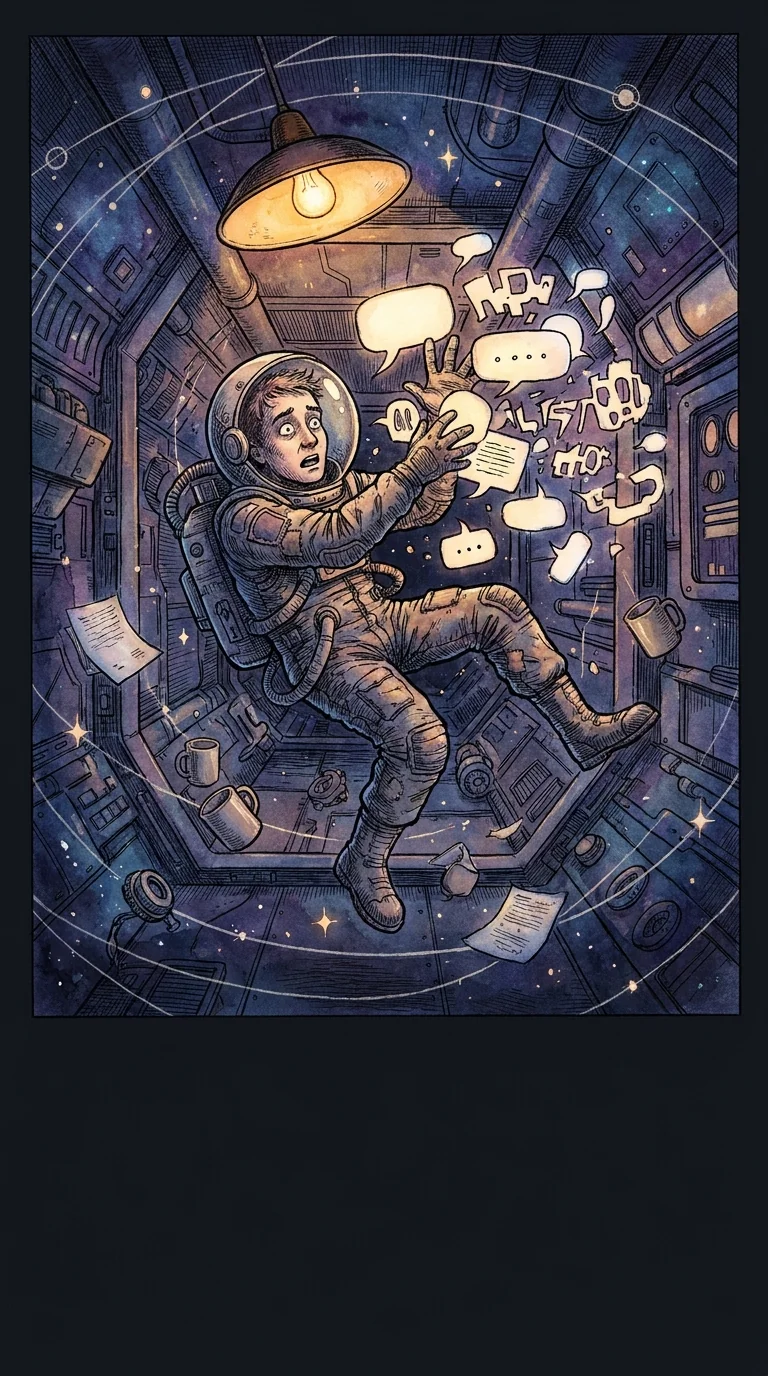
When silence hits, most of us lunge for the nearest available topic like it's an escape pod. We blurt out weather opinions, repeat something we already said, or worse — start monologuing about ourselves just to fill the void.
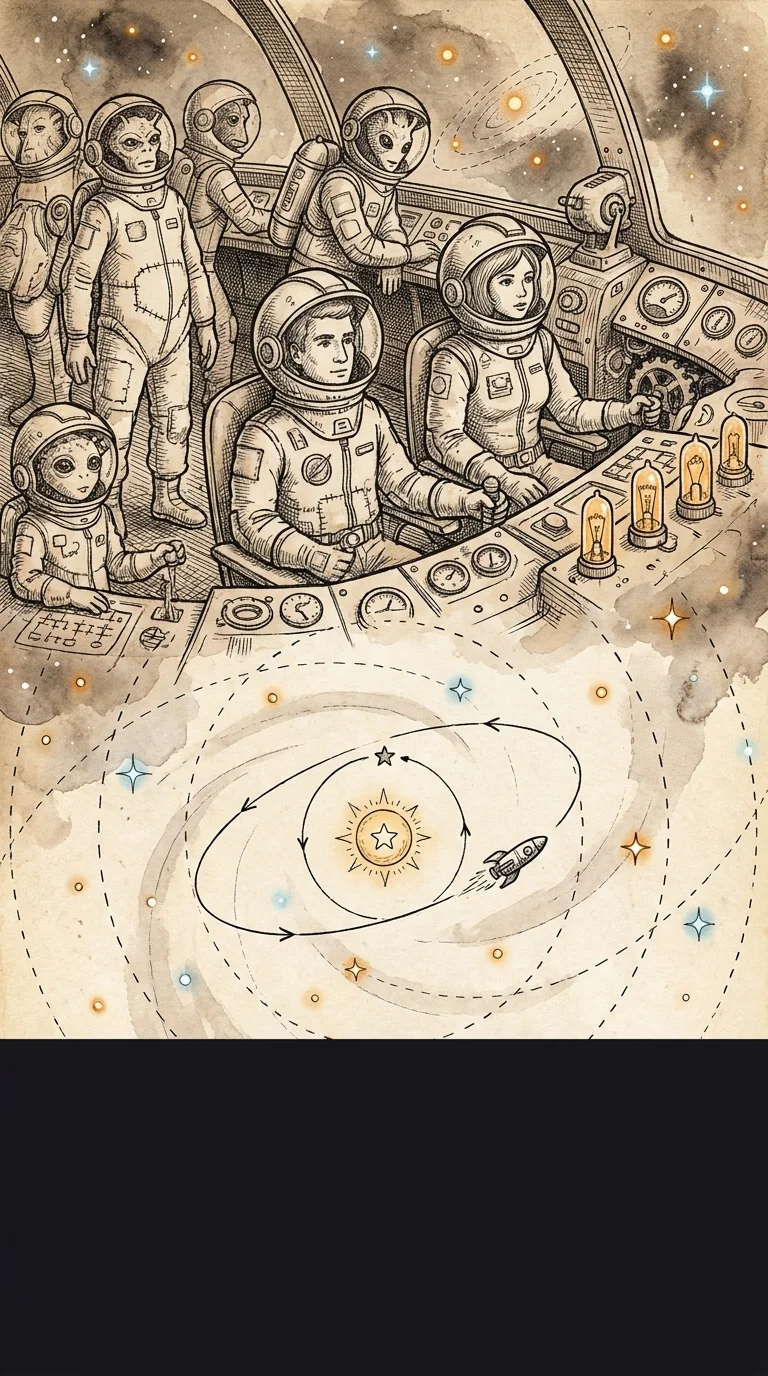
Try this instead: the Orbit Method. When the conversation drifts, don't chase a new topic — circle back to something the other person already said and go deeper. Conversations don't need new fuel. They need gravity.
Here's how it works. When a lull arrives: breathe, recall something they mentioned earlier, and say "You mentioned X — what was that like?" You're not performing. You're proving you were actually listening, which is rarer than you think.

Marcus tried it at a crew mixer last week. The conversation stalled. Instead of panicking, he said, "Wait — you said you almost moved to another city. What stopped you?" The other person lit up. Twenty minutes later they were still talking, and Marcus hadn't performed a single thing.

Your next conversation will hit a quiet moment. Good. Let it arrive, then orbit back to something real. You already have everything you need — you just have to remember that listening is its own kind of brave.