Embracing the Awkward
You said "you too" when the waiter told you to enjoy your meal. And now you're replaying it for the third hour. Welcome to being human — population: literally everyone.
Part 1: Embracing the Awkward — Concept
+5 XP on completion
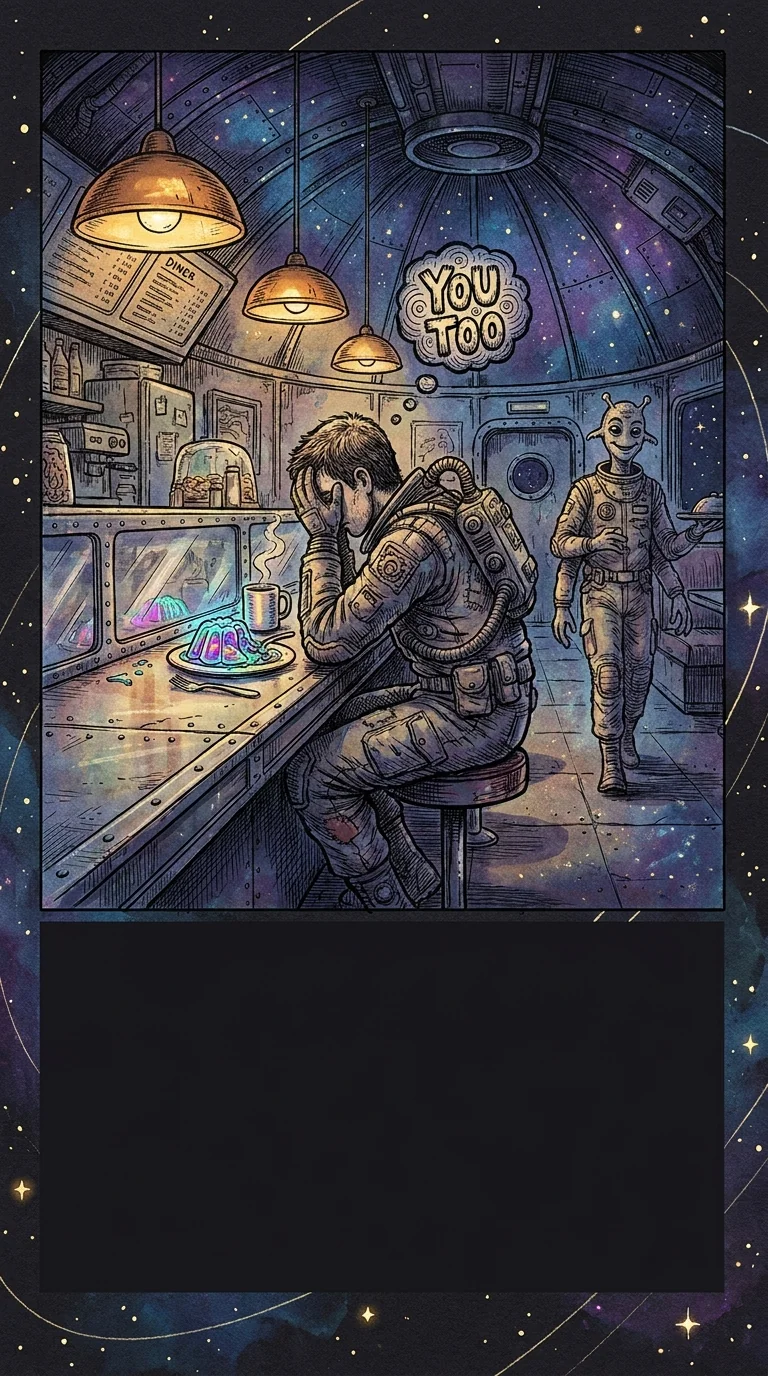
You said "you too" when the waiter told you to enjoy your meal. And now you're replaying it for the third hour. Welcome to being human — population: literally everyone.

We assume confident people glide through conversations like they've got a script. They don't. They just don't treat every stumble like a crash landing.
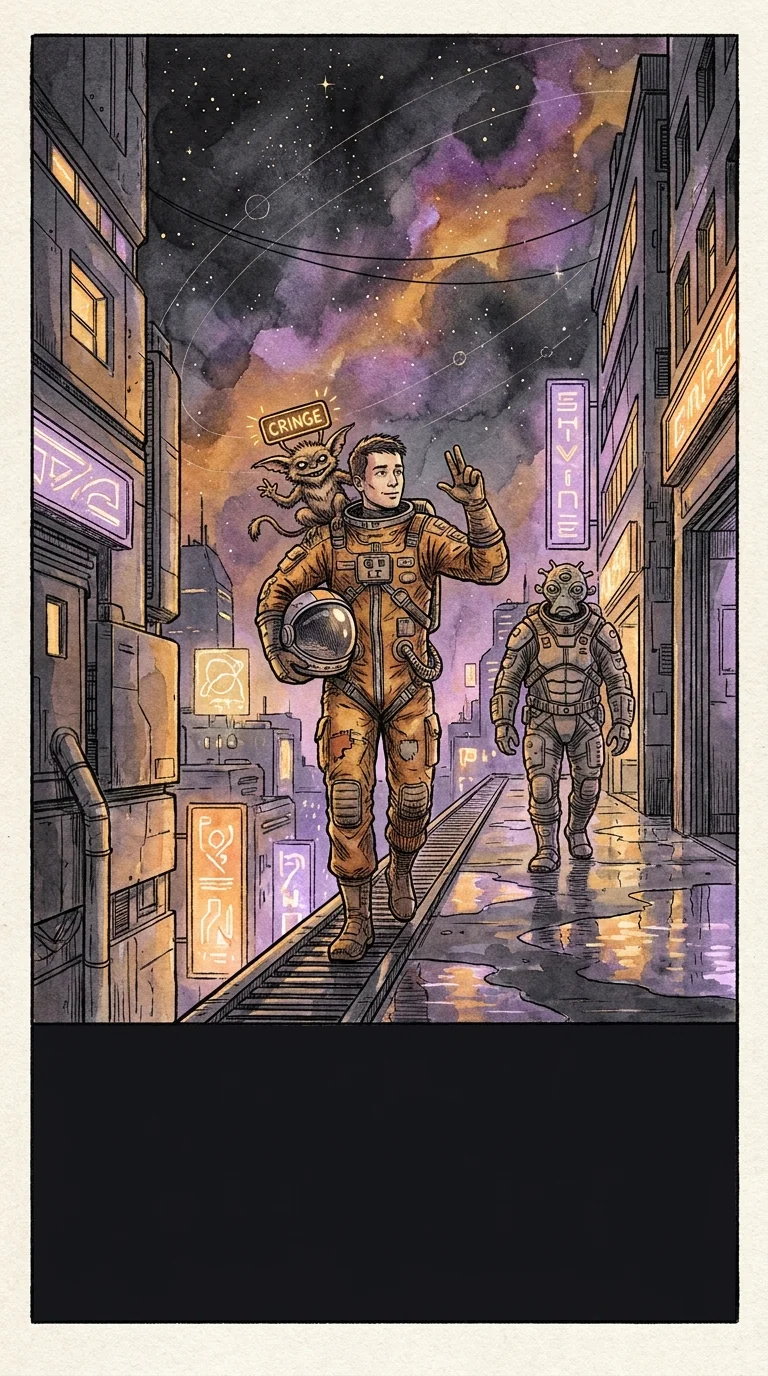
The difference isn't fewer awkward moments. It's a shorter recovery time. Cringe shows up, they nod at it, and they keep walking. That's it. That's the whole secret.

Your brain files awkward moments under "threat." But embarrassment isn't danger — it's just discomfort wearing a loud costume. When you stop treating it like an emergency, it loses most of its voltage.
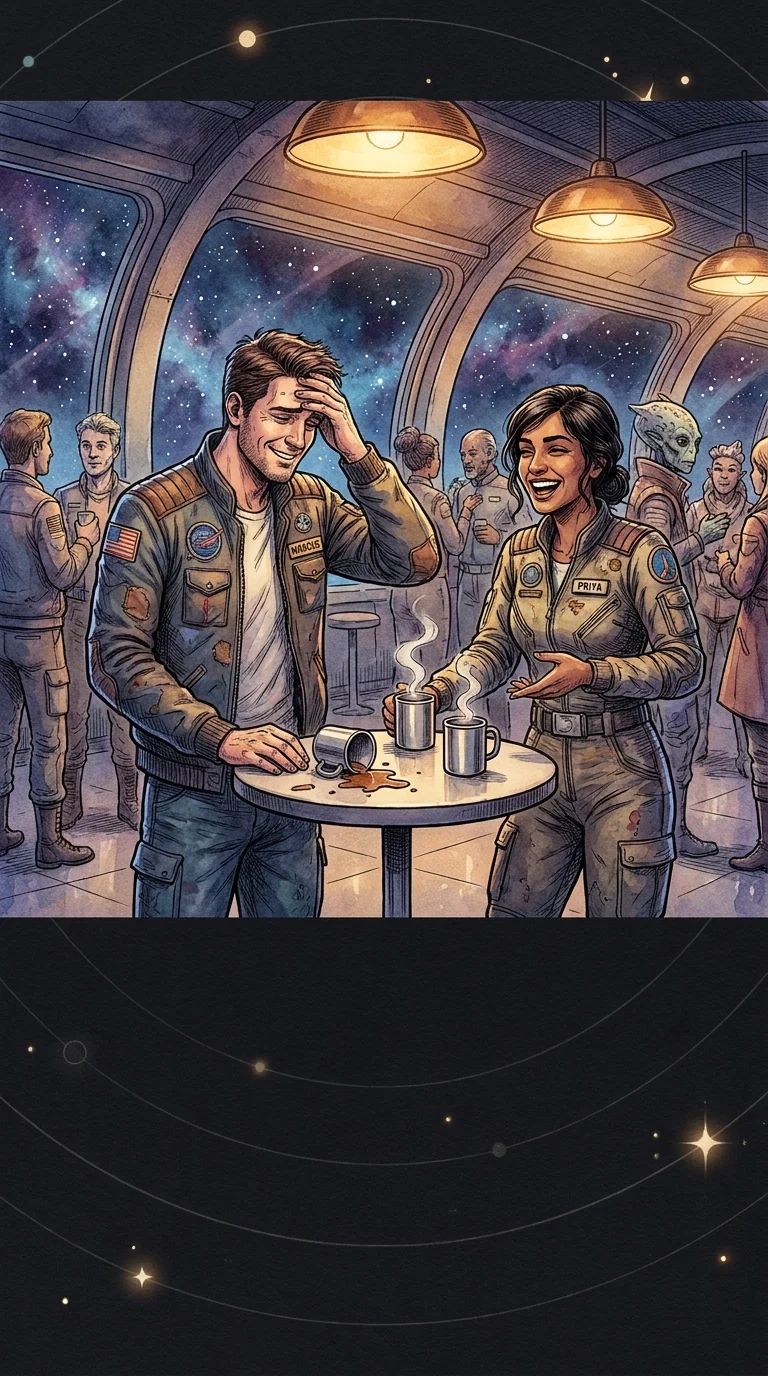
Marcus blanked on a colleague's name mid-introduction at a conference. Called her "Angela" — her name was Priya. Old Marcus would've avoided her for the rest of the event. New Marcus corrected himself, laughed, and bought her a coffee. They ended up collaborating for six months.
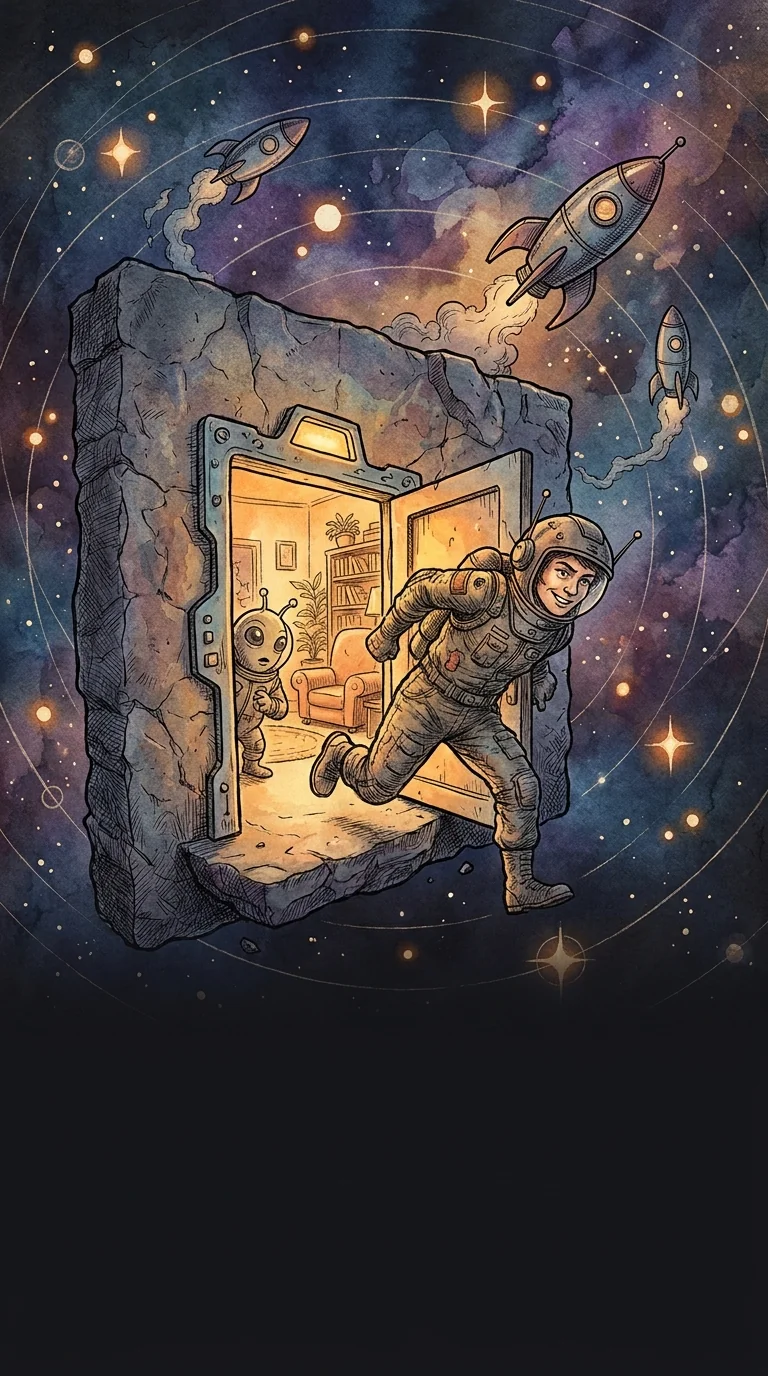
Awkward isn't a wall. It's a weird little doorway you have to duck through sideways. In Part 2, you'll practice a quick reset technique for the moment cringe hits — so you can keep moving instead of freezing. See you there.
Part 2: Embracing the Awkward — Practice
+10 XP on completion

Awkward moments aren't the enemy of confidence — they're the terrain it's built on. The question is whether you freeze on the spot or keep walking.
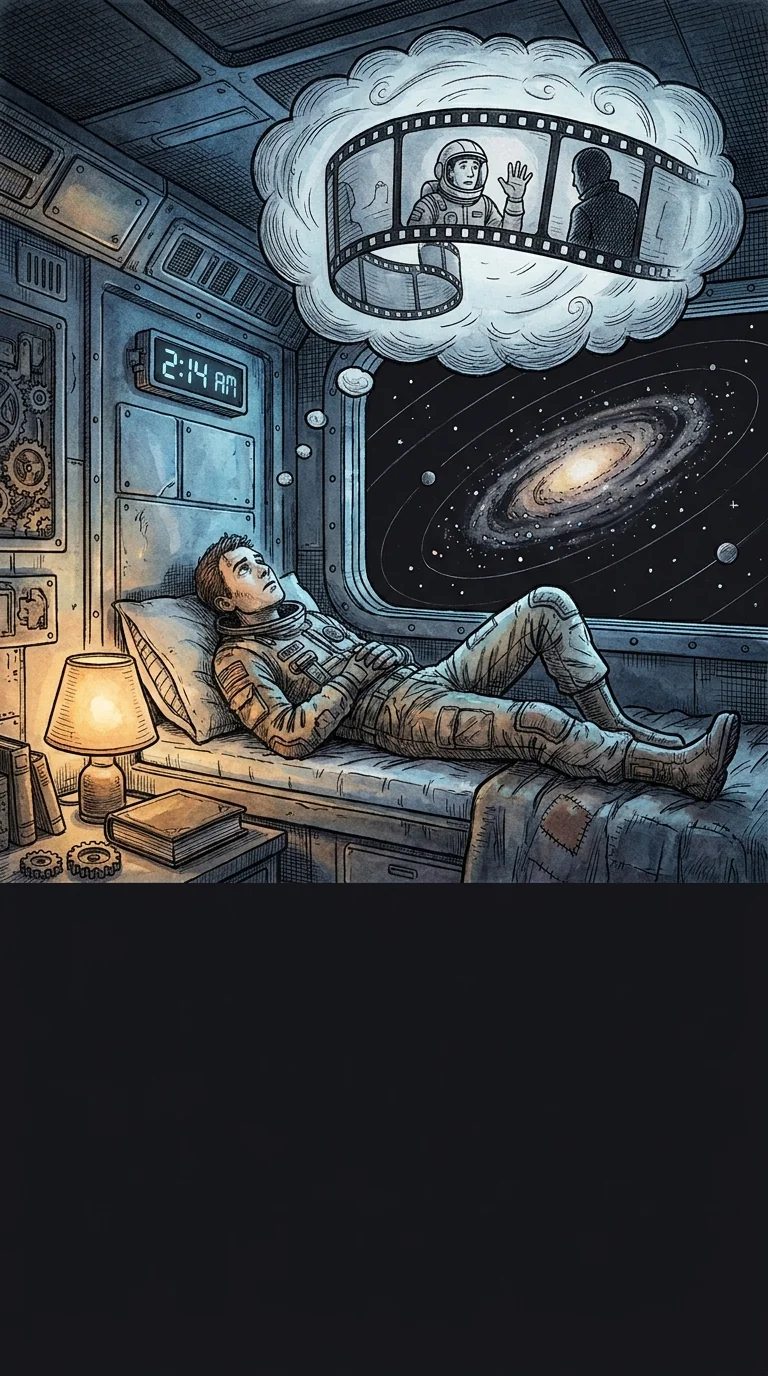
Most awkward-moment strategies boil down to "pretend it didn't happen" or "replay it in your head forty-seven times at 2 a.m." Neither one is a technique. Both are just panic wearing different pajamas.
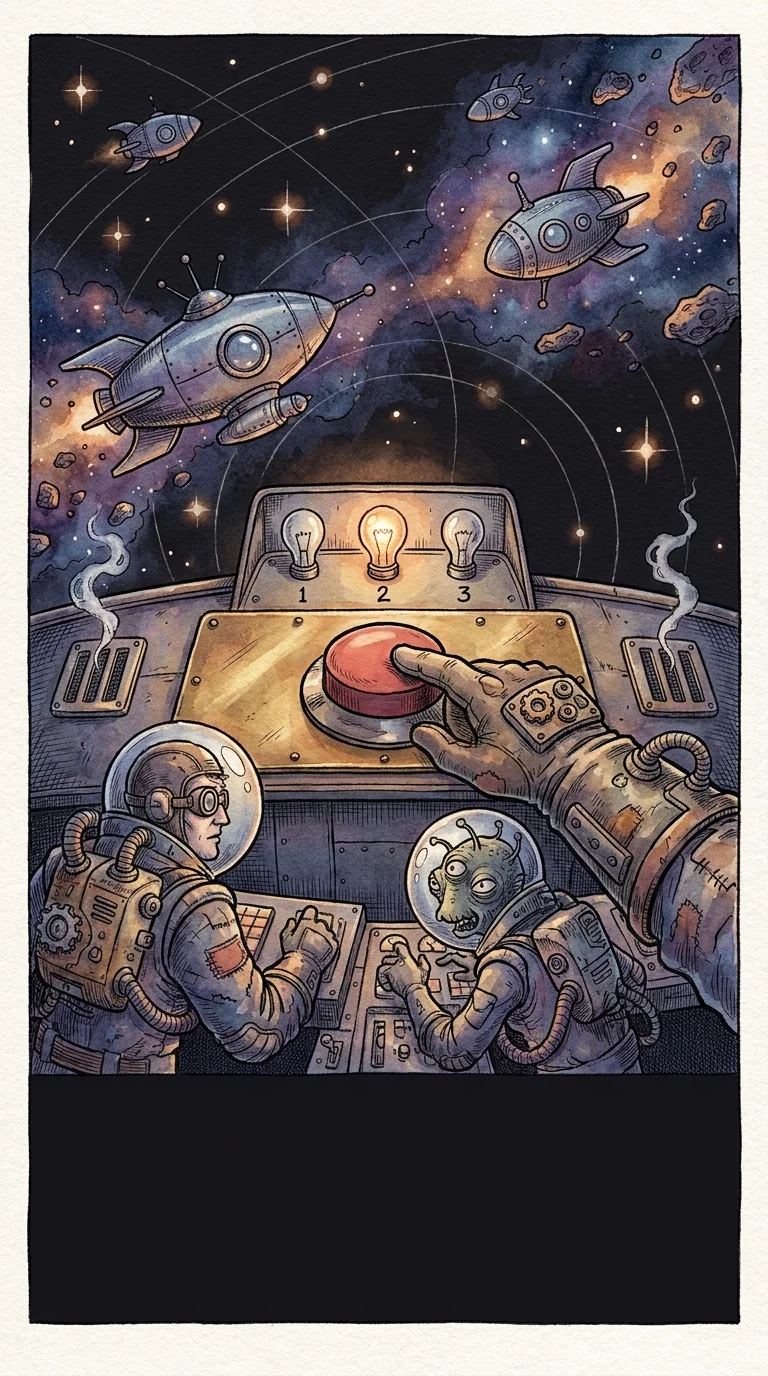
Today's technique is called the Three-Second Reset. When the cringe hits, you name it, breathe through it for three seconds, and then — this is the part that matters — you do the next thing. Not the perfect thing. Just the next one.
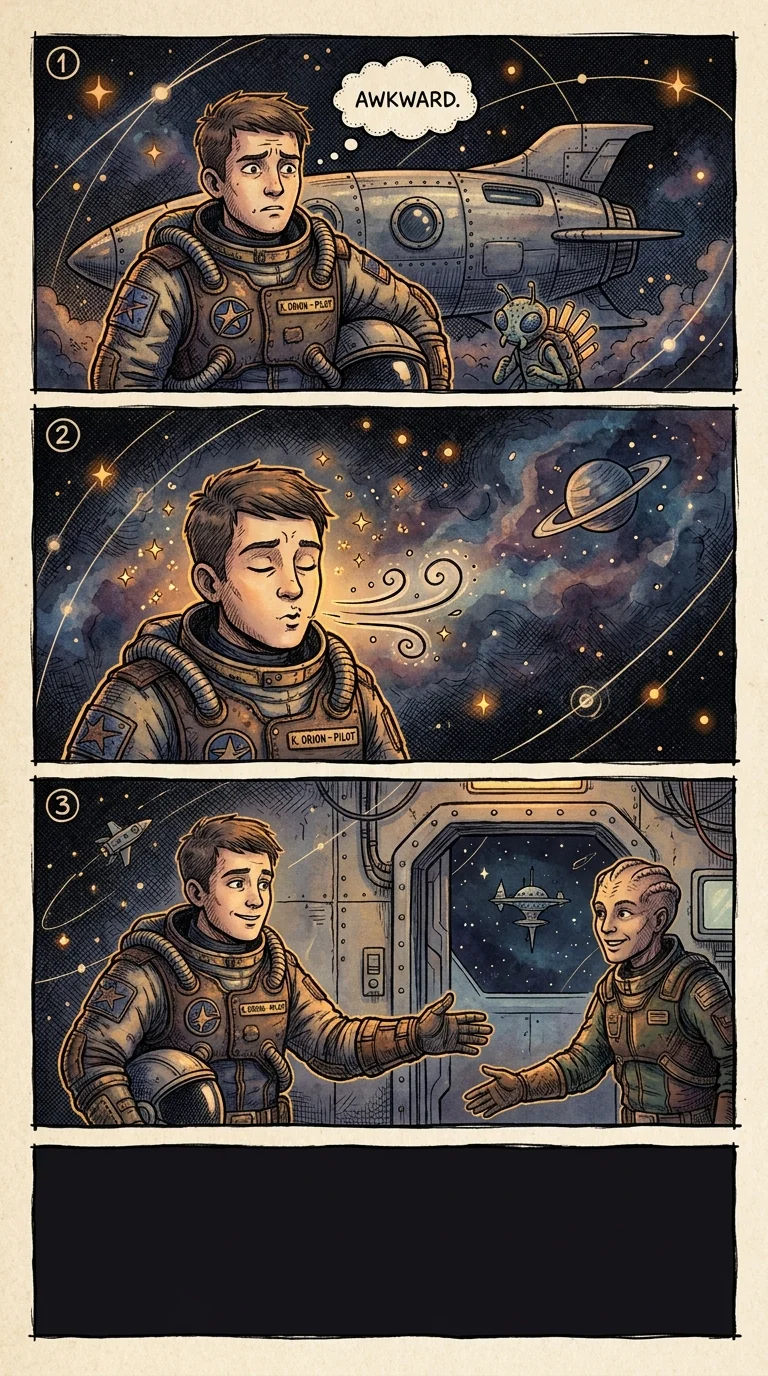
Step one: silently label it — "that was awkward." Step two: three slow breaths while you let the cringe exist without trying to fix it. Step three: say or do the next normal thing. Introduce yourself. Ask a question. Keep talking. The cringe doesn't need your permission to leave — it just needs you to stop holding the door shut.
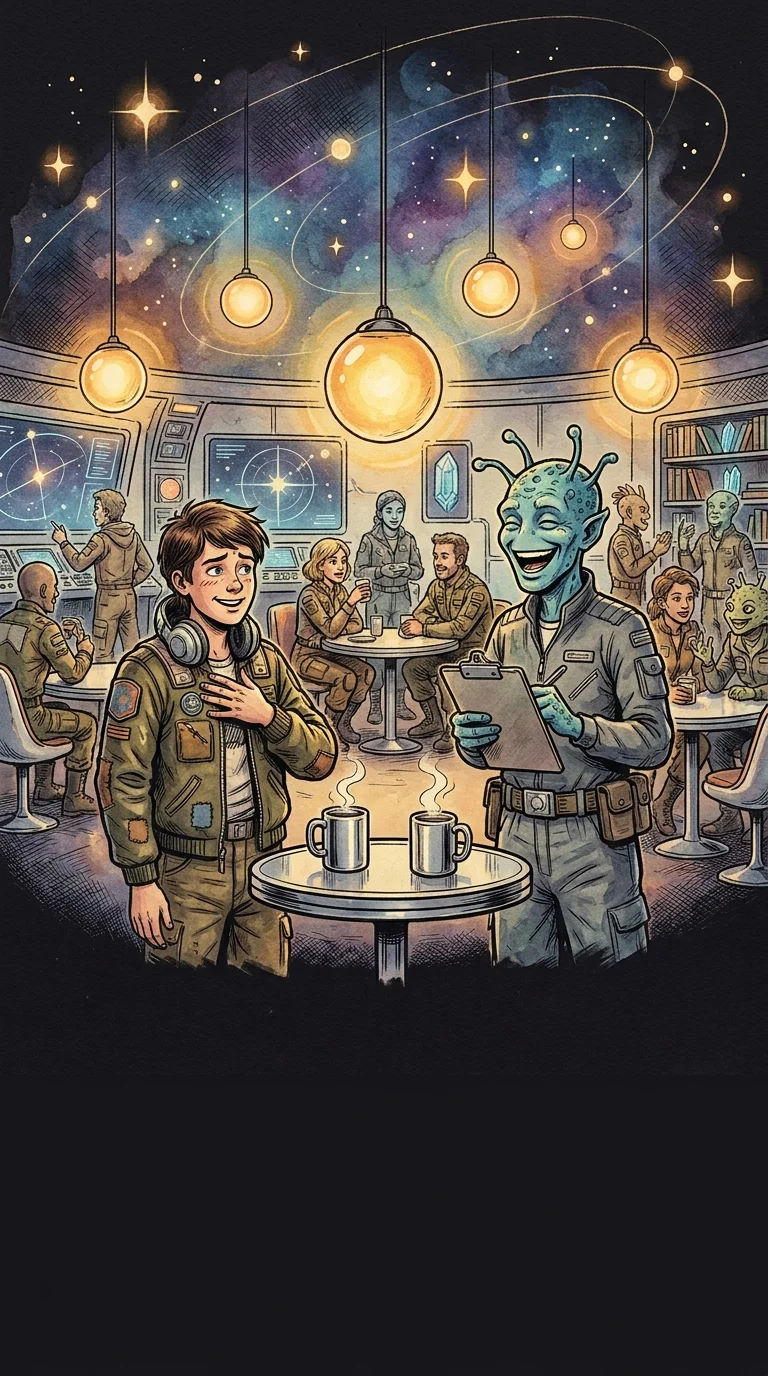
Alex joined a new co-working meetup and called the organizer by the wrong name — twice. The old Alex would've left early and never gone back. Instead: "That was awkward." Three breaths. Then: "I'm sorry, tell me your name again — I want to get it right." The organizer laughed. They grabbed coffee the next week.
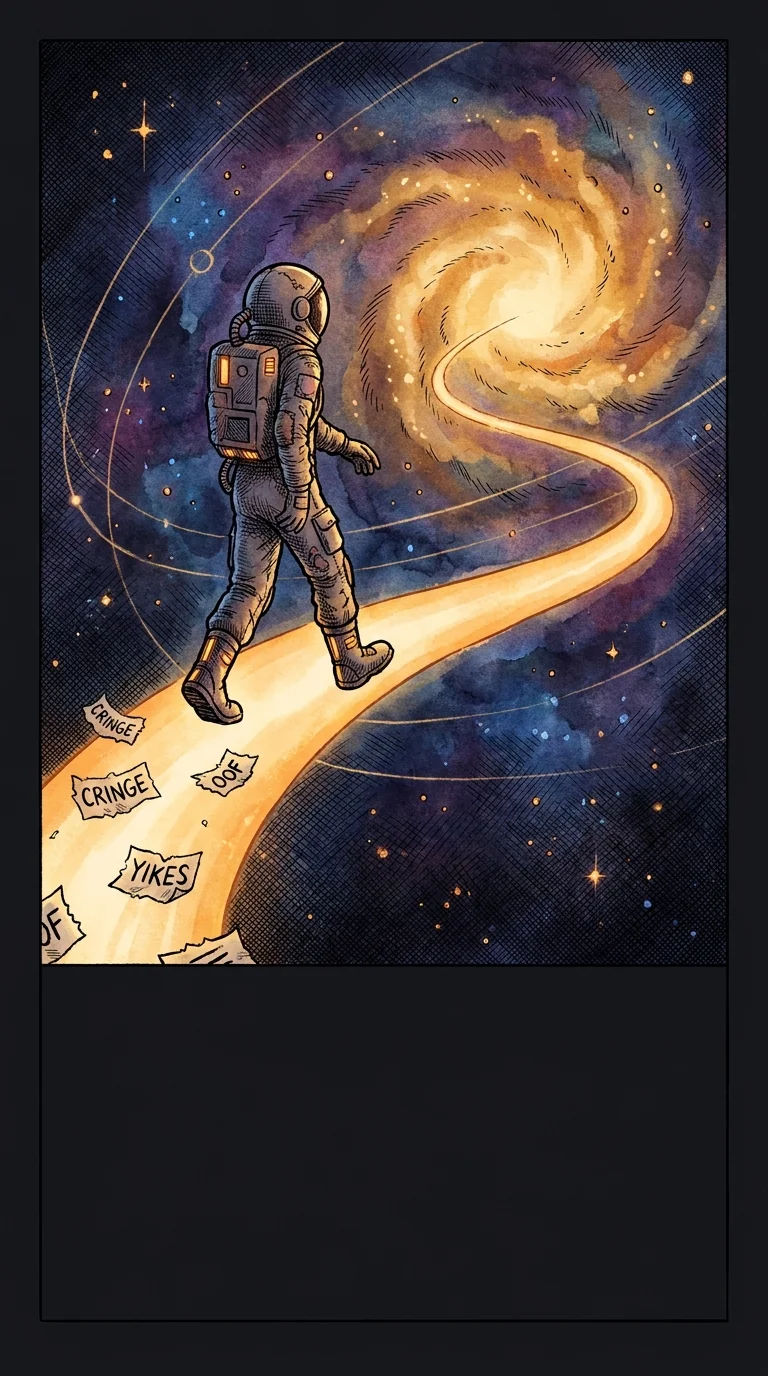
You're not going to run out of awkward moments. That's the good news — it means you'll never run out of chances to practice walking through them. Each one you survive without fleeing rewires the story a little. Three seconds. That's all the courage costs.