Stop Comparing, Start Connecting
You walk into a room and your brain fires up a scoreboard before you've even said hello. Height, confidence, clothes, charisma — you're ranking strangers like a judge at a livestock show you never agreed to enter.
Part 1: Stop Comparing, Start Connecting — Concept
+5 XP on completion
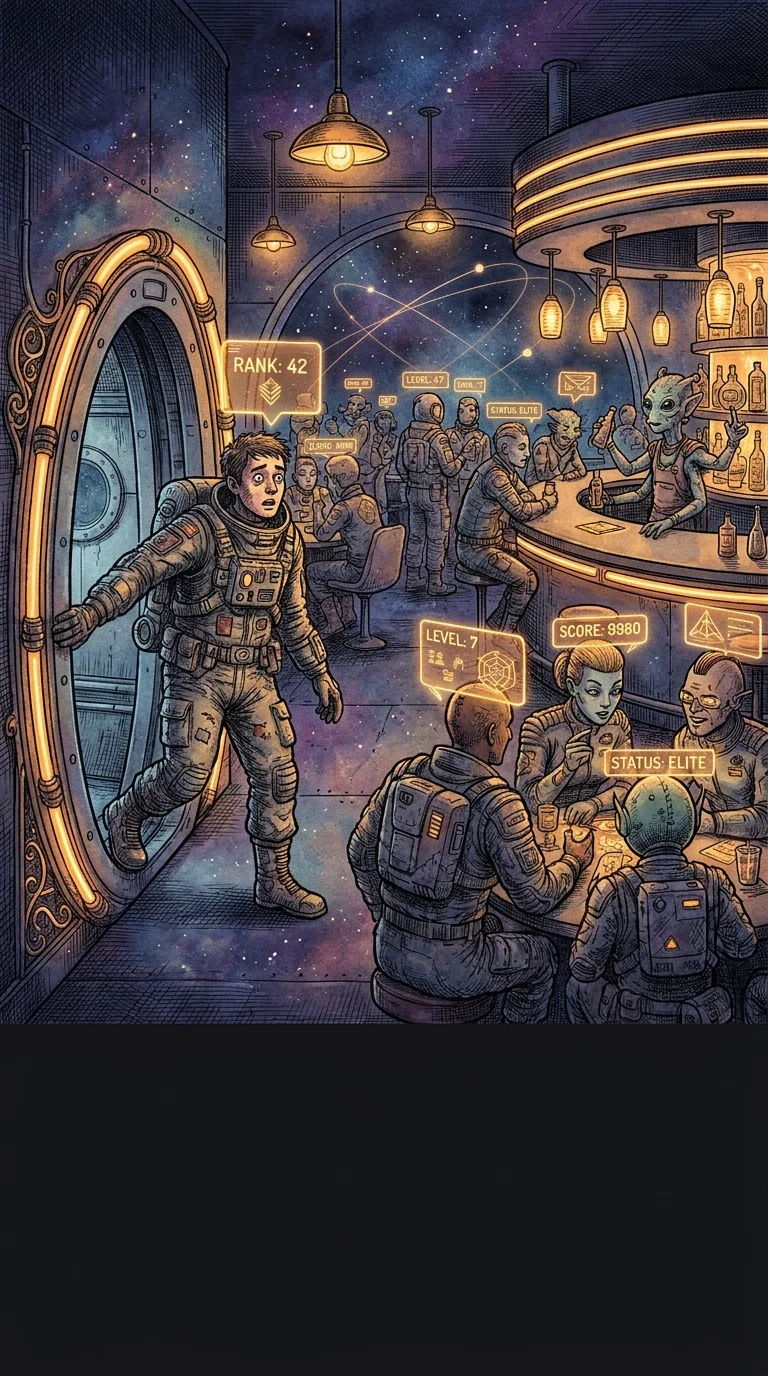
You walk into a room and your brain fires up a scoreboard before you've even said hello. Height, confidence, clothes, charisma — you're ranking strangers like a judge at a livestock show you never agreed to enter.

Noticing other people isn't the problem — you'd be weird if you didn't. The problem is the script that runs two seconds later: the one that sorts everyone into 'better than me' or 'worse than me' and calls it useful information.

Comparison isn't observation — it's a defense mechanism wearing a lab coat. Your brain would rather rank the room than risk actually being seen in it.
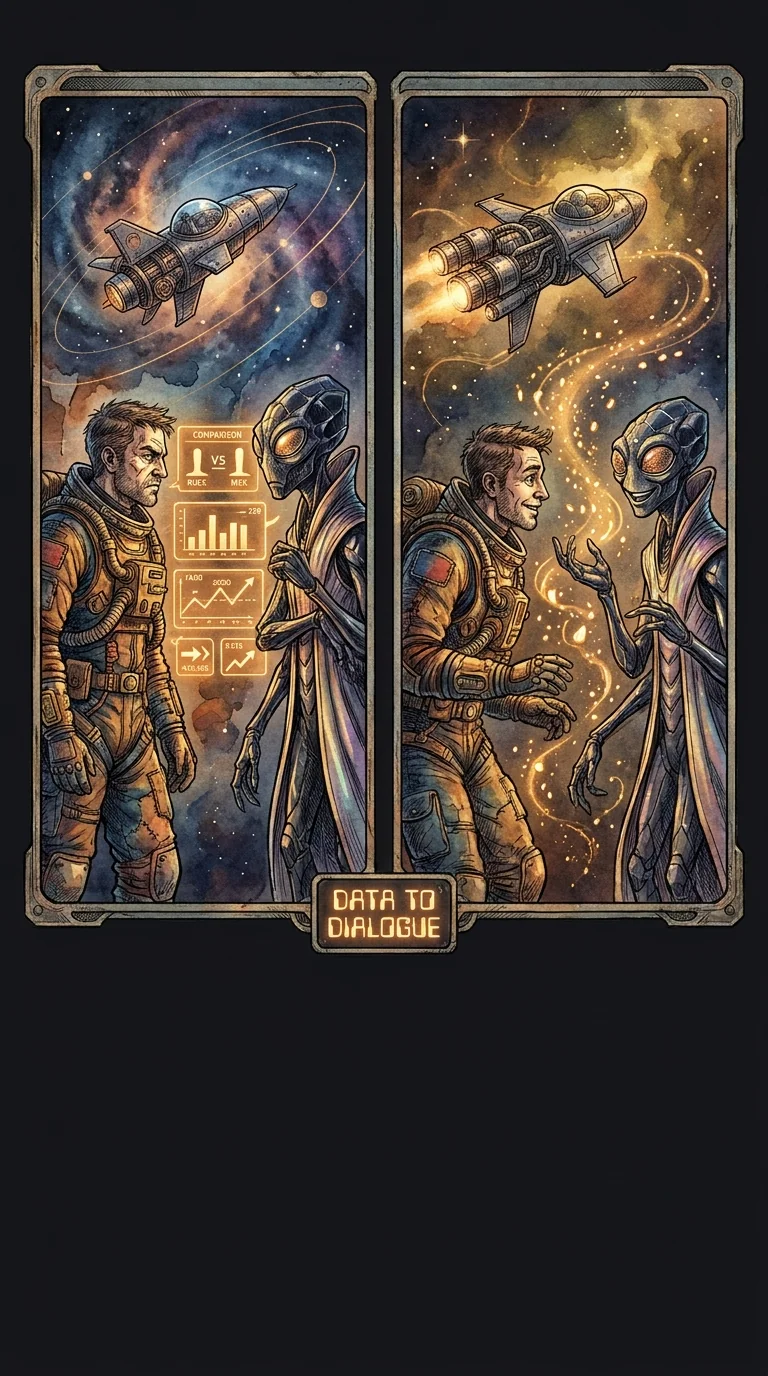
Here's what nobody admits: the scoreboard disappears the moment you get curious about someone. You can't rank a person and wonder about them at the same time — the circuits don't run in parallel.
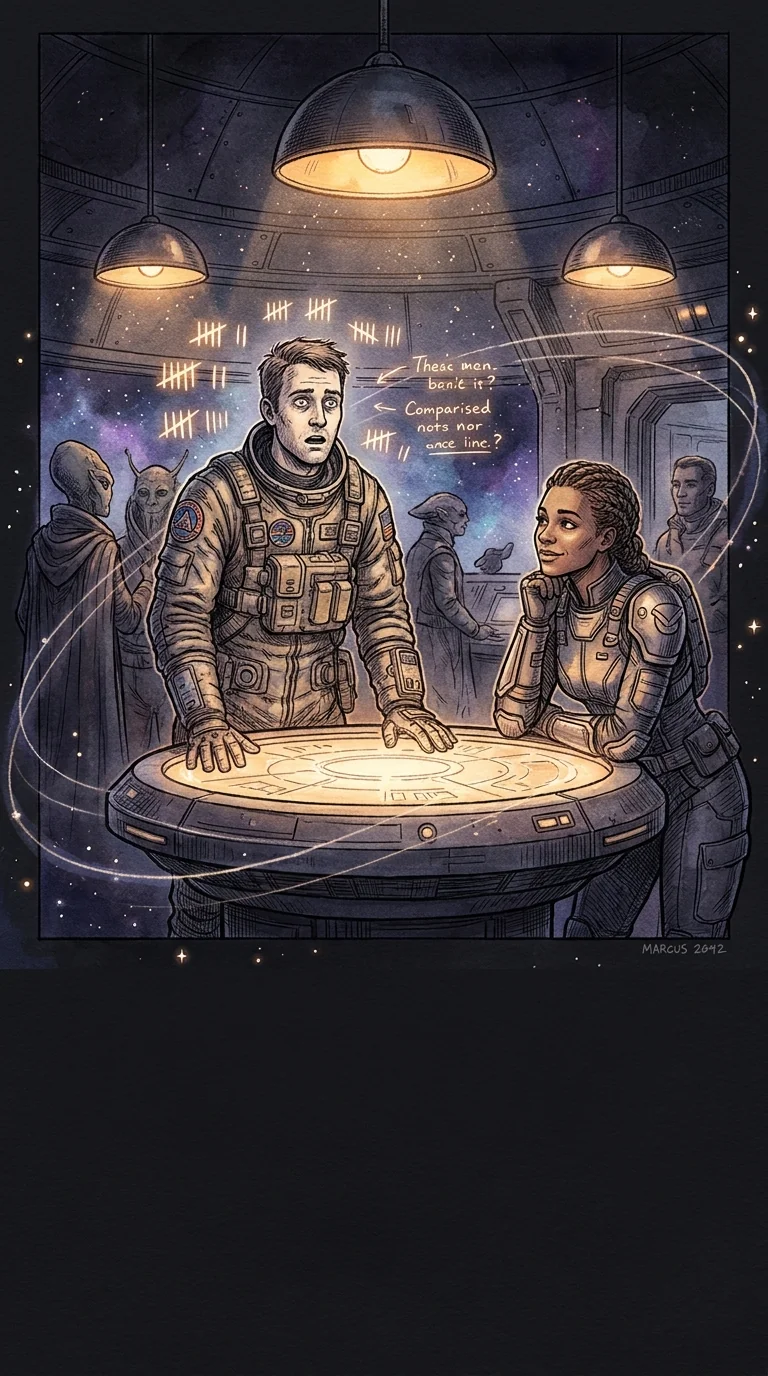
Marcus spent an entire conference mentally cataloging who was smarter, funnier, more successful. Then someone asked him a real question about his work and he blanked — he'd been so busy scoring the room he forgot he was in it.
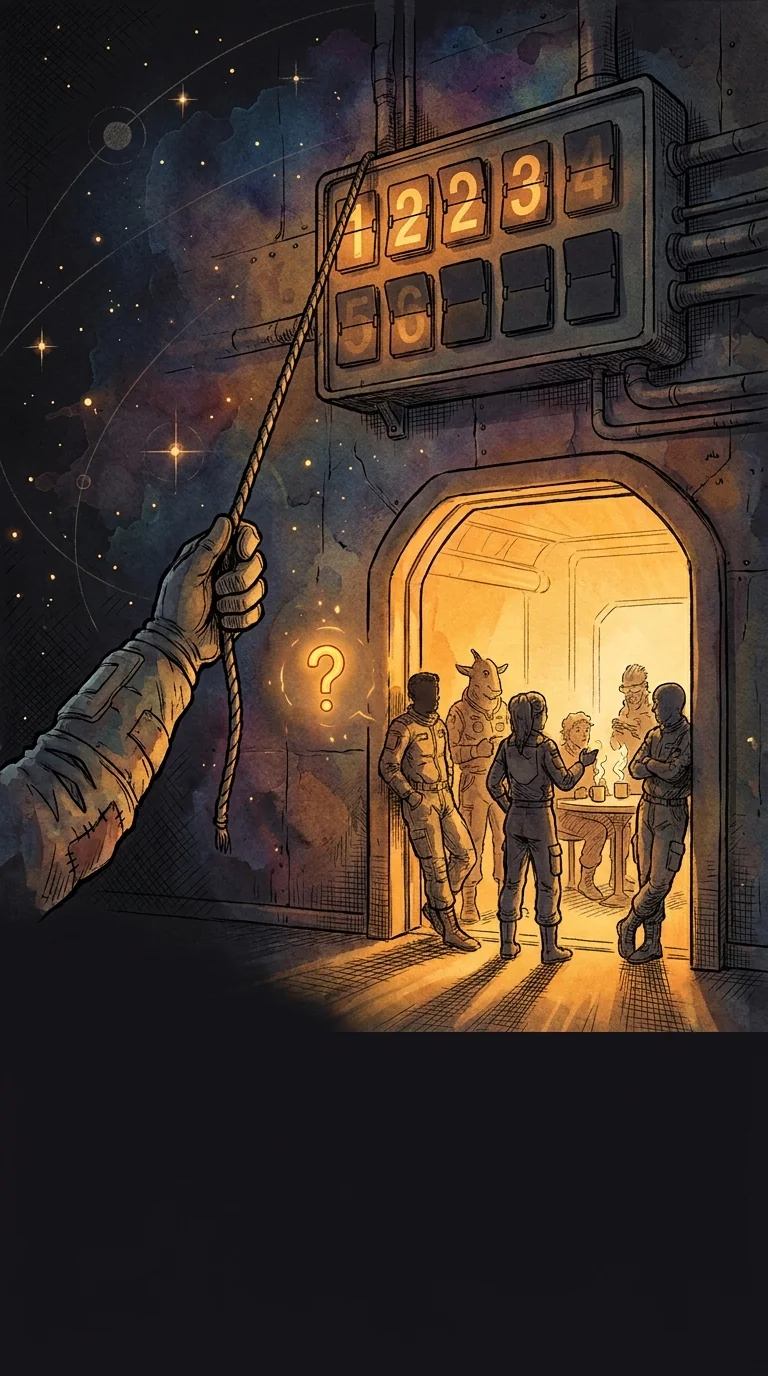
The scoreboard is a habit, not a fact. And habits can be interrupted — with the right question at the right moment. In Part 2, you'll practice swapping the comparison reflex for a curiosity reflex. See you there.
Part 2: Stop Comparing, Start Connecting — Practice
+10 XP on completion
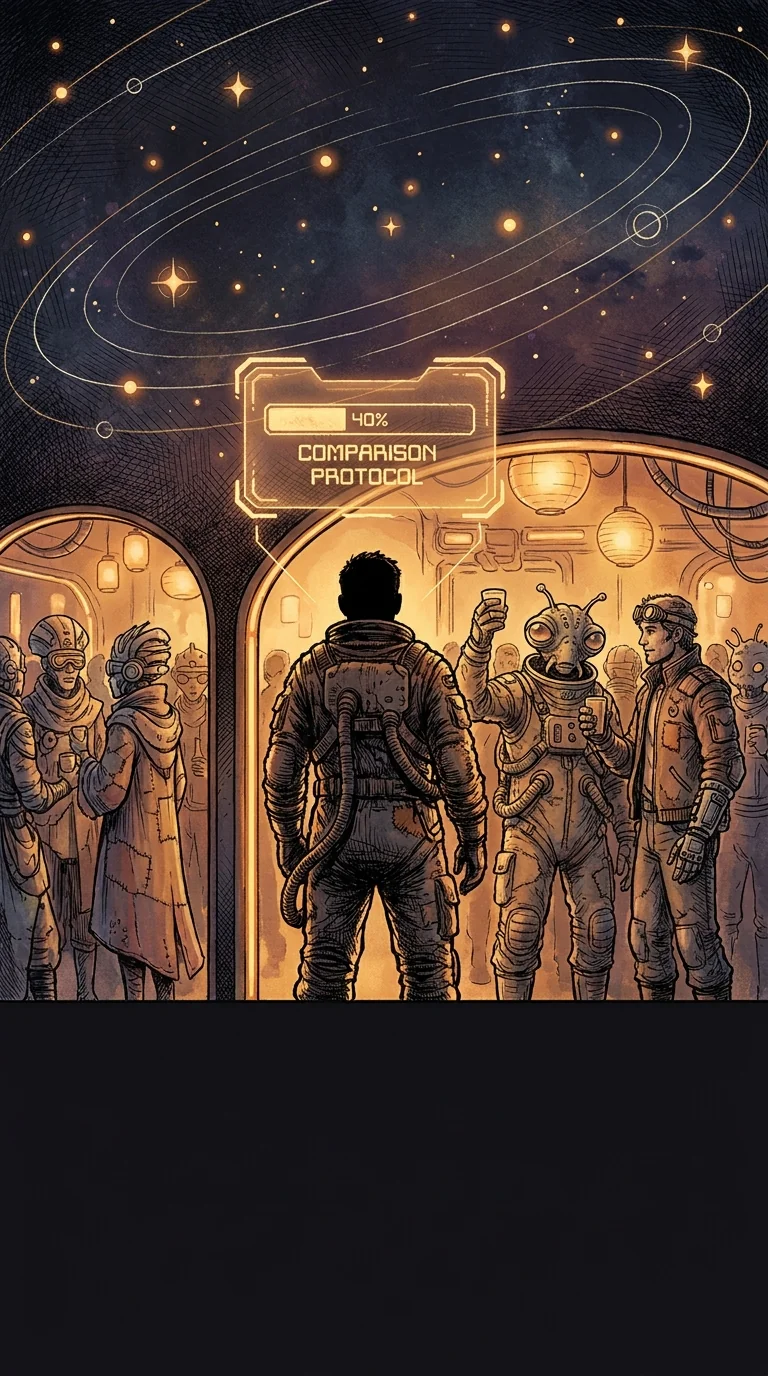
You noticed the ranking script running in your head. Now you need something to run instead — before the old program finishes loading.
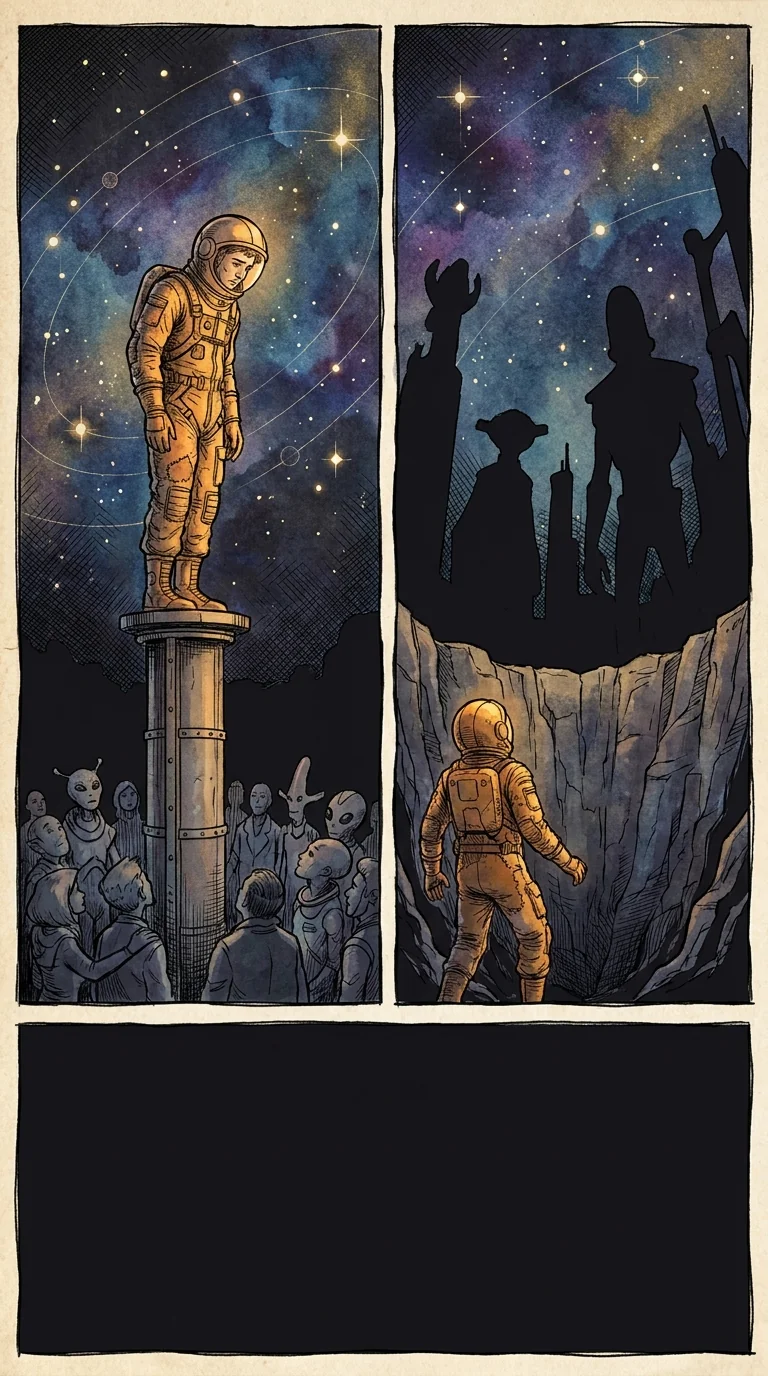
Most comparison scripts end the same way: you either rank yourself above someone and feel guilty, or below them and feel small. Either way, you've stopped seeing the actual human in front of you.

The move is called The Curiosity Switch. The second you catch yourself measuring, you flip the question from 'How do I stack up?' to 'What's their story?'

Three steps. One: notice the ranking thought — don't fight it, just tag it. Two: ask yourself one genuine question about the other person. Three: if you can, ask them that question out loud. Curiosity is a terrible environment for comparison. It just can't survive there.
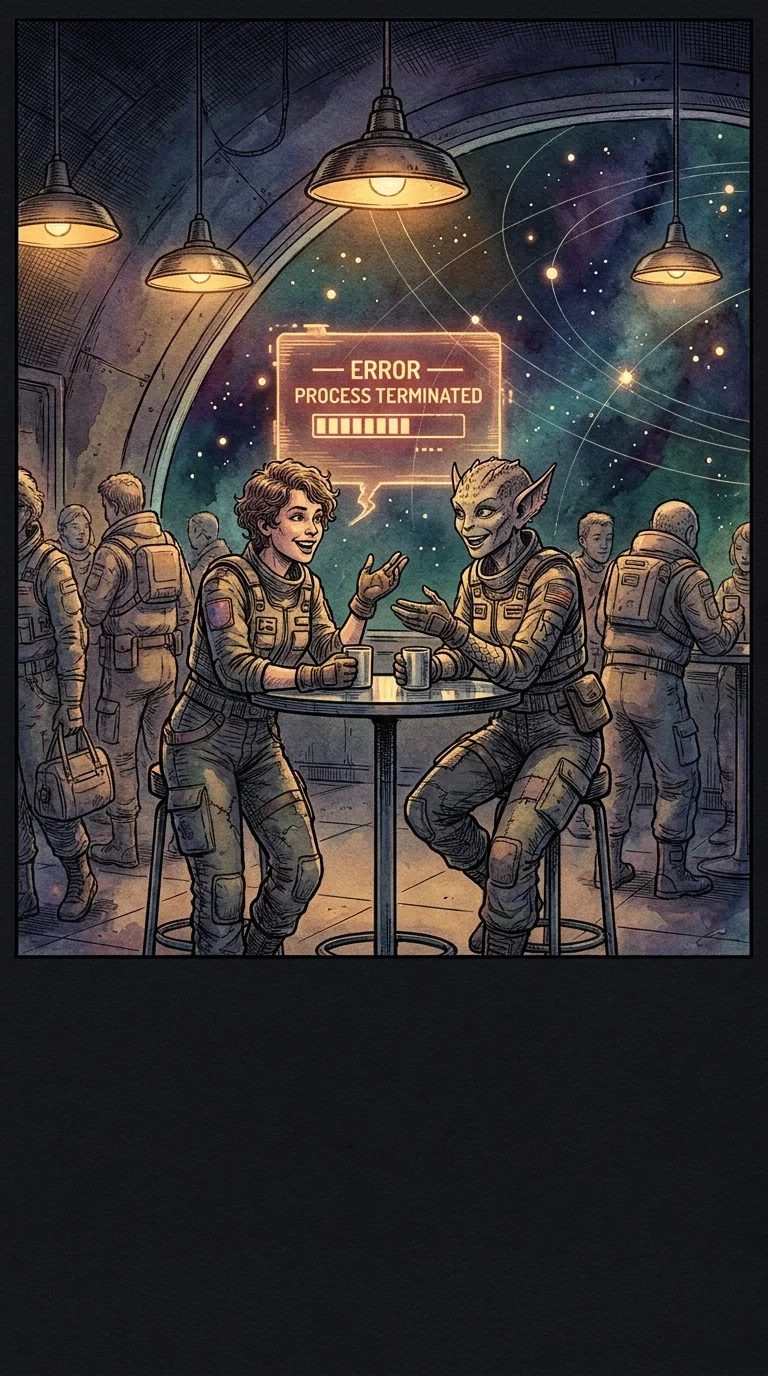
Lisa walked into a networking event and immediately clocked the woman with the better title, the sharper outfit, the louder laugh. She caught the script, tagged it, and asked the woman what project she was most excited about right now. Twenty minutes later they were swapping contact info. The comparison never finished loading.

You don't need to stop noticing other people. You just need a better next move than ranking. Curiosity is that move — and every time you use it, the old script gets a little quieter.