Growth Debrief: Skills Online
Fourteen days ago you weren't sure confidence was something you could build — it felt more like something other people were issued at birth. So let's talk about what actually happened.
Part 1: Growth Debrief: Skills Online — Concept
+5 XP on completion

Fourteen days ago you weren't sure confidence was something you could build — it felt more like something other people were issued at birth. So let's talk about what actually happened.

The old assumption went like this: confident people feel confident first, then act. You waited for the feeling. The feeling never RSVP'd.
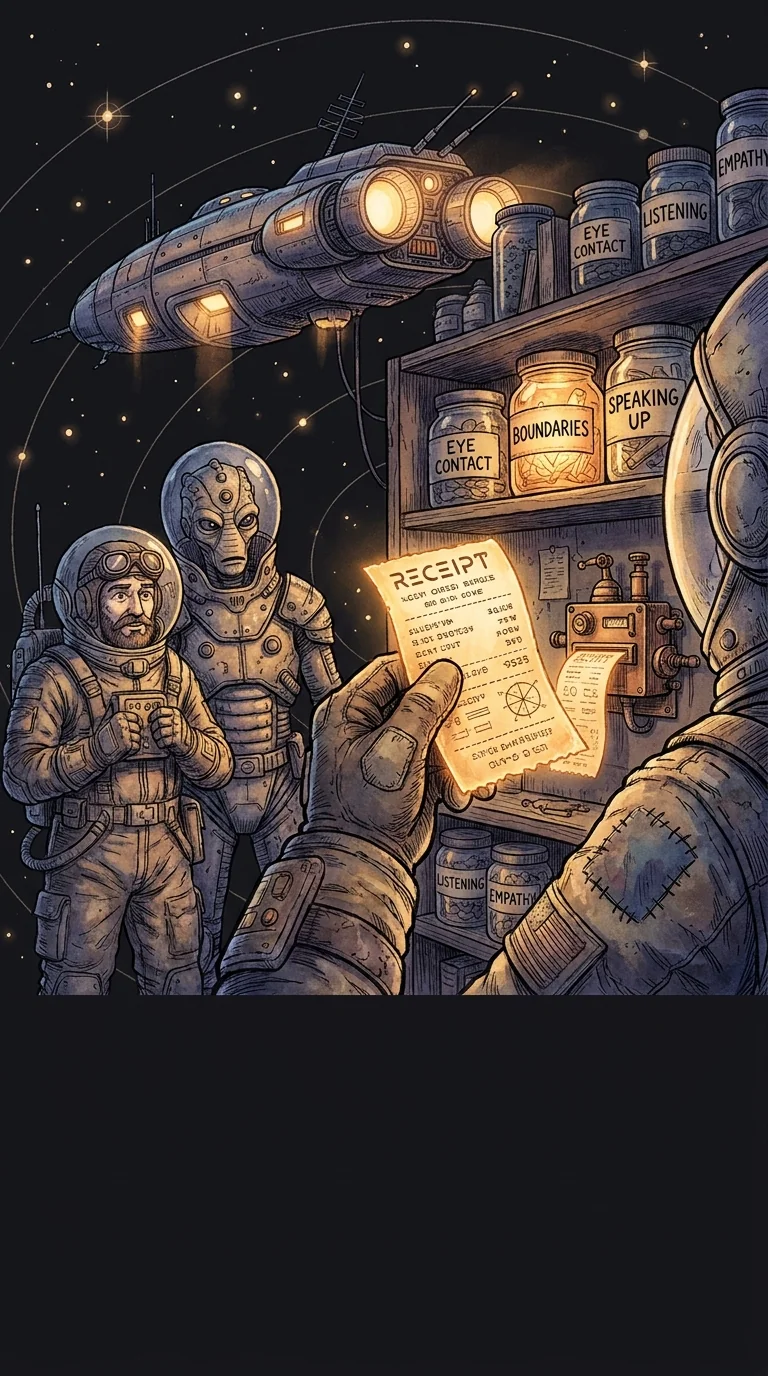
Turns out confidence isn't a prerequisite — it's a receipt. You act first, awkwardly and on purpose, and the feeling shows up after to confirm the transaction.
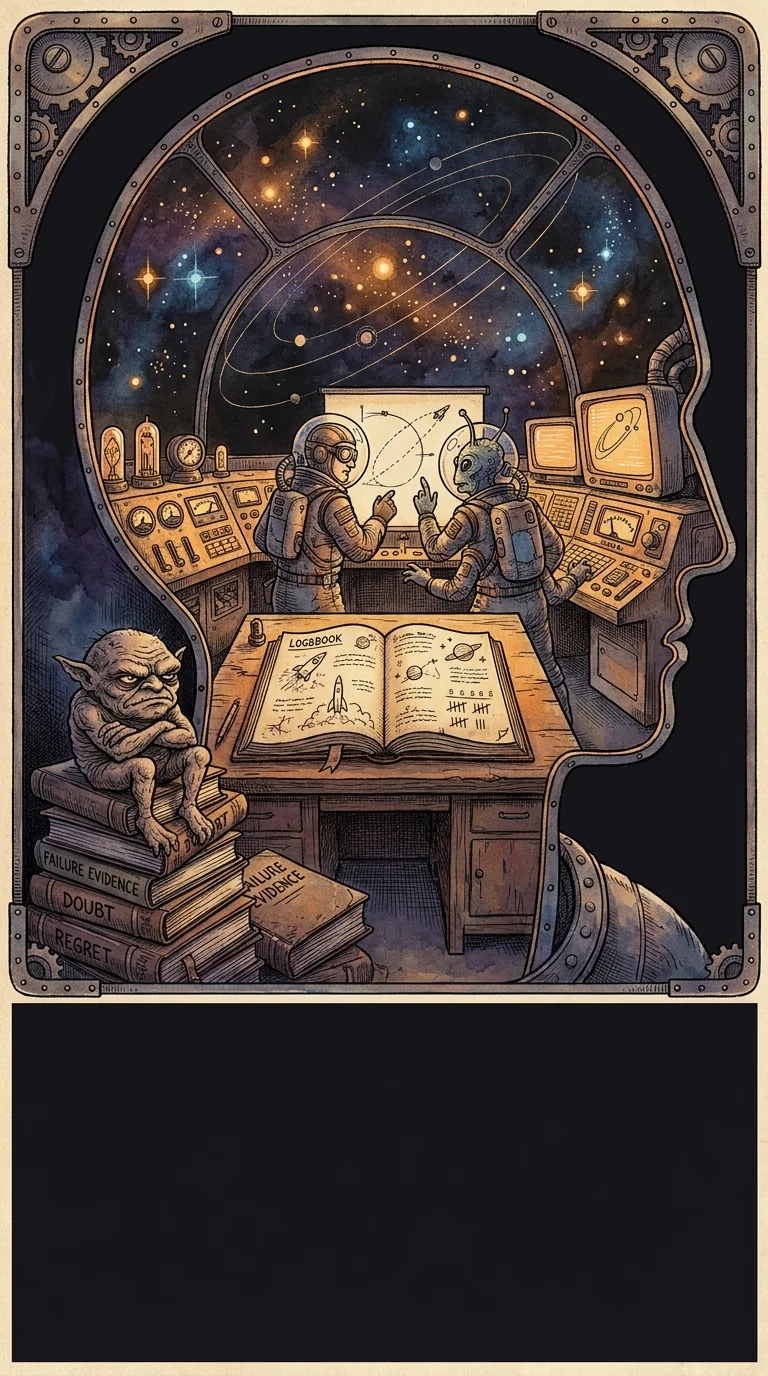
Every time you practiced a skill — holding eye contact, taking up physical space, speaking without shrinking — your brain logged evidence. Fourteen days of evidence is hard to argue with, even for your inner critic.
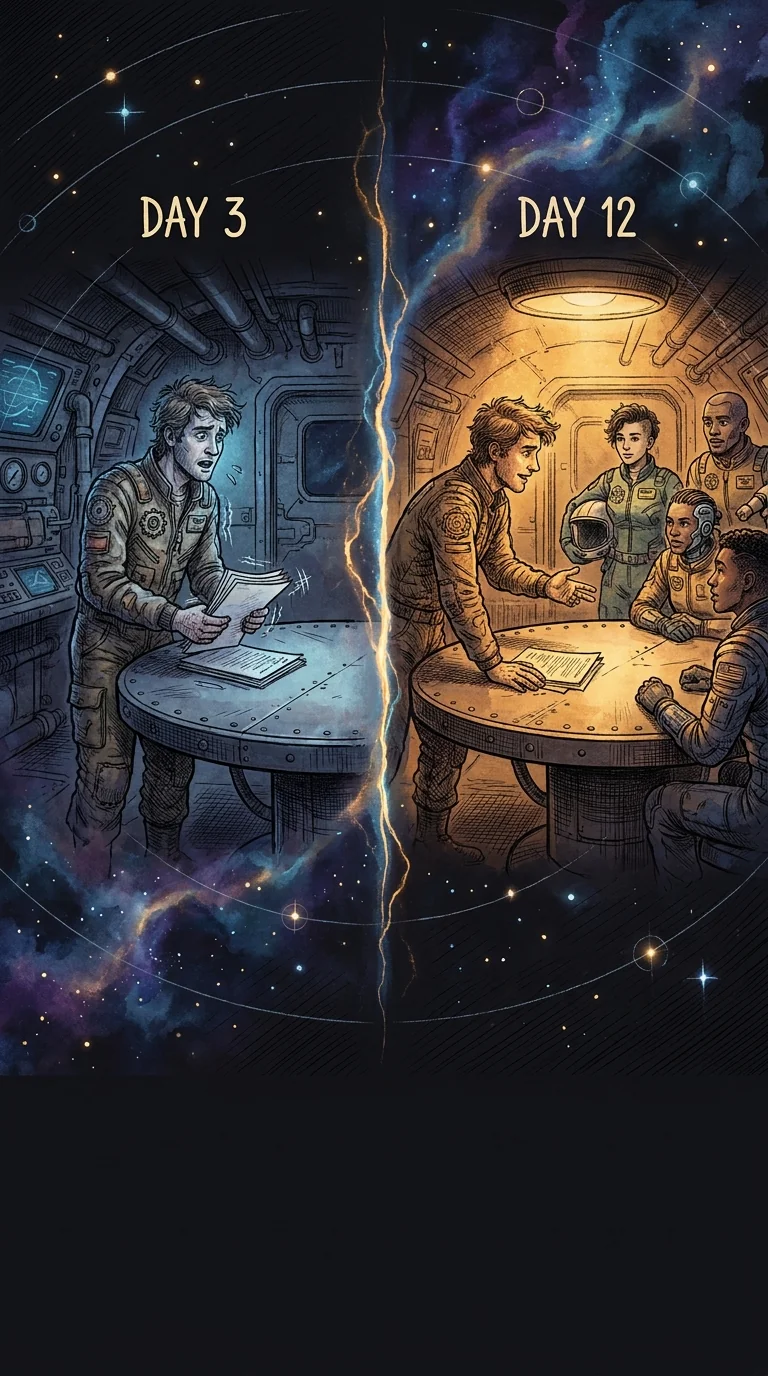
Marcus almost quit on Day 3. His voice shook during a meeting and he thought that was proof he wasn't built for this. By Day 12, his voice still shook sometimes — but he spoke anyway, and people listened. Funny how proof works when you stop defining it as perfection.
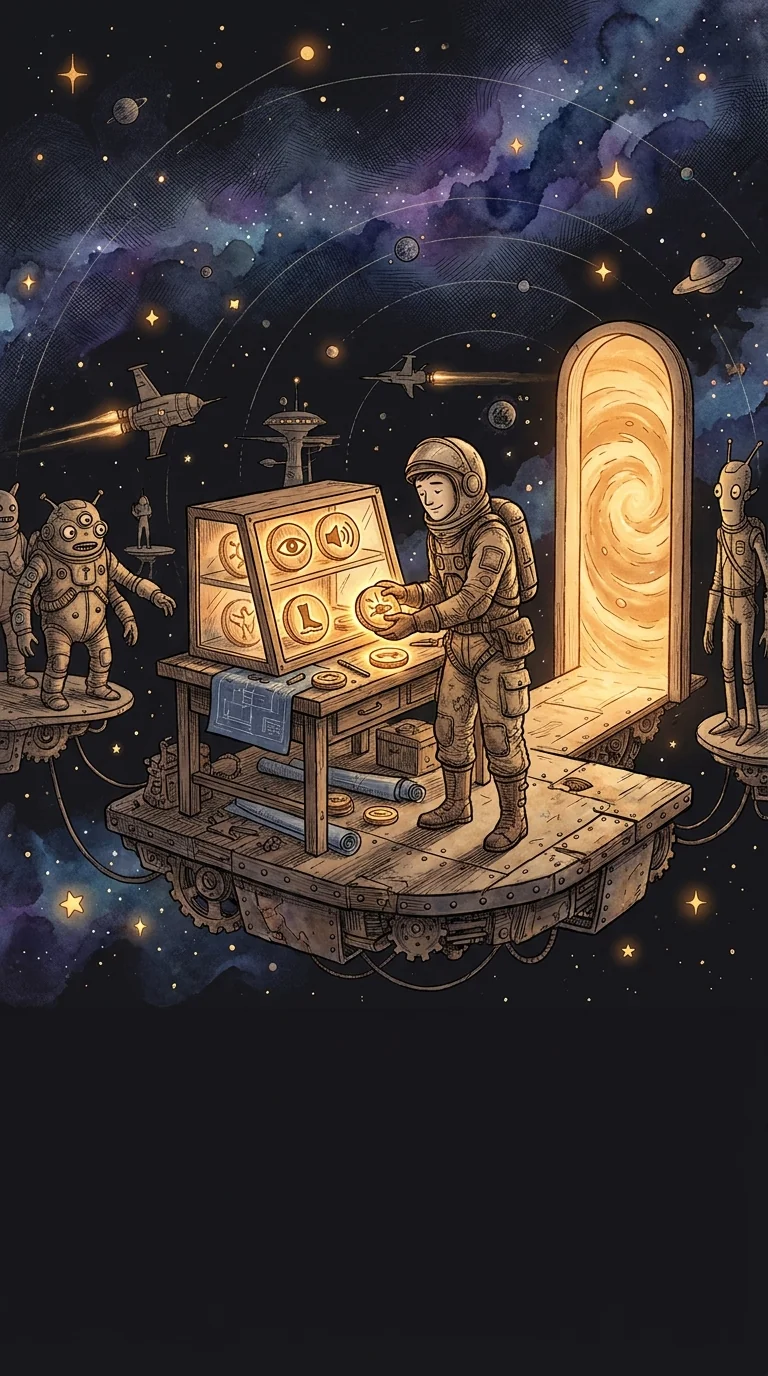
You came in unsure whether confidence could be learned. You just spent two weeks learning it — with receipts. In Part 2, you'll practice cataloguing the specific skills you've built so they stop feeling like accidents. See you there.
Part 2: Growth Debrief: Skills Online — Practice
+10 XP on completion

Fourteen days ago you weren't sure confidence was something you could build on purpose. You've got a flight log full of evidence that says otherwise.

Most growth is invisible while it's happening — like gaining altitude in fog. You only notice when you break through the cloud layer and realize the ground is very far below.

The technique is called the Proof Inventory. You sit down, review what you've actually done — not what you feel about it — and write the receipts. Feelings lie. Actions don't.
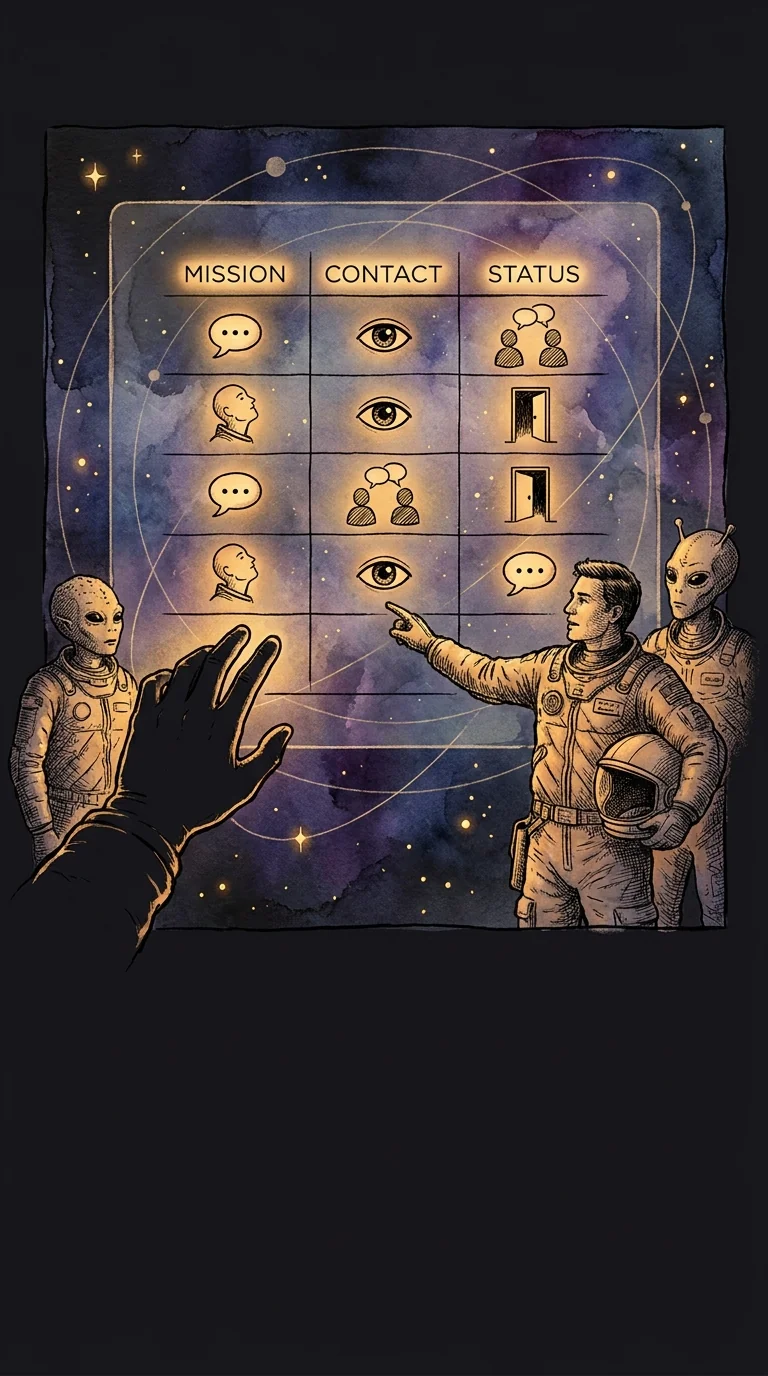
Three columns. Column one: a skill you practiced — speaking up, holding eye contact, starting a conversation. Column two: the specific moment you used it. Column three: what happened after. Fill in at least five rows. That's your evidence locker.

Marcus sat with his Proof Inventory and stared at row three — the meeting where he'd disagreed with his project lead out loud. He remembered his voice shaking. He also remembered his lead saying, "Good catch." Two weeks ago he would've stayed quiet.
You came in wondering if this was possible. You built the proof with your own hands. The skills are online now — and tomorrow, you get to find out what you do with them when the stakes feel real.