Confidence Through Contribution
You're sitting on something useful — an idea, a skill, a perspective somebody actually needs. But you keep it to yourself because you don't feel "ready" yet. Funny how readiness never seems to RSVP.
Part 1: Confidence Through Contribution — Concept
+5 XP on completion

You're sitting on something useful — an idea, a skill, a perspective somebody actually needs. But you keep it to yourself because you don't feel "ready" yet. Funny how readiness never seems to RSVP.

Waiting to feel confident before you help anyone is like waiting to feel warm before you start the fire. You've got the order backwards, and the room stays cold.
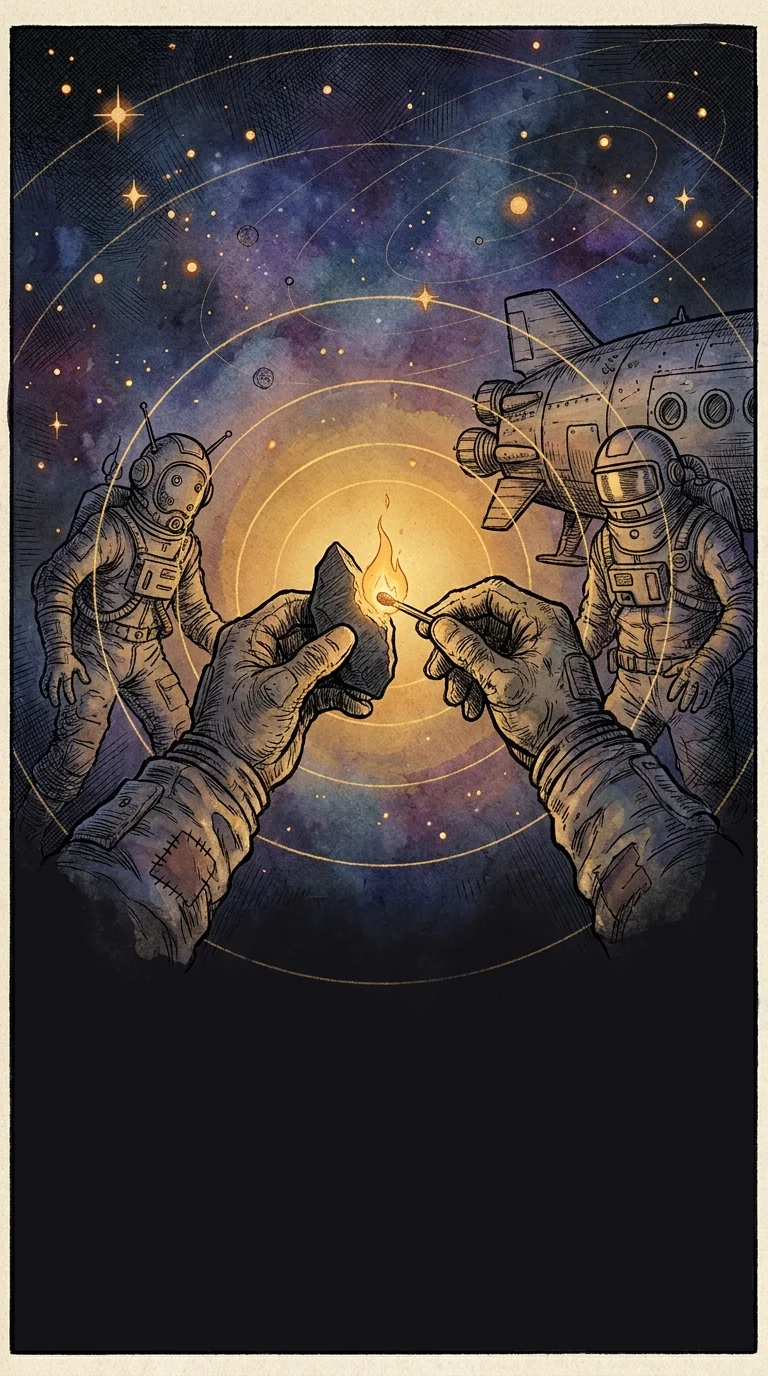
Confidence isn't a prerequisite for contribution — it's a byproduct of it. You don't build it by thinking harder. You build it by being useful to someone who isn't you.

When you contribute — even small, even shaky — your brain registers real evidence that you matter. Not affirmation. Evidence. And evidence is the only currency confidence actually accepts.

Marcus spent two years waiting to feel qualified before mentoring younger engineers. Then a kid asked him one question at a cargo bay, and he answered it. That kid built something real with the answer. Marcus didn't feel ready — but the kid didn't care.

The fire doesn't wait for you to feel warm. You light it, and the warmth follows. In Part 2, you'll practice identifying one specific contribution you can make this week — even if your hands are still shaking. See you there.
Part 2: Confidence Through Contribution — Practice
+10 XP on completion
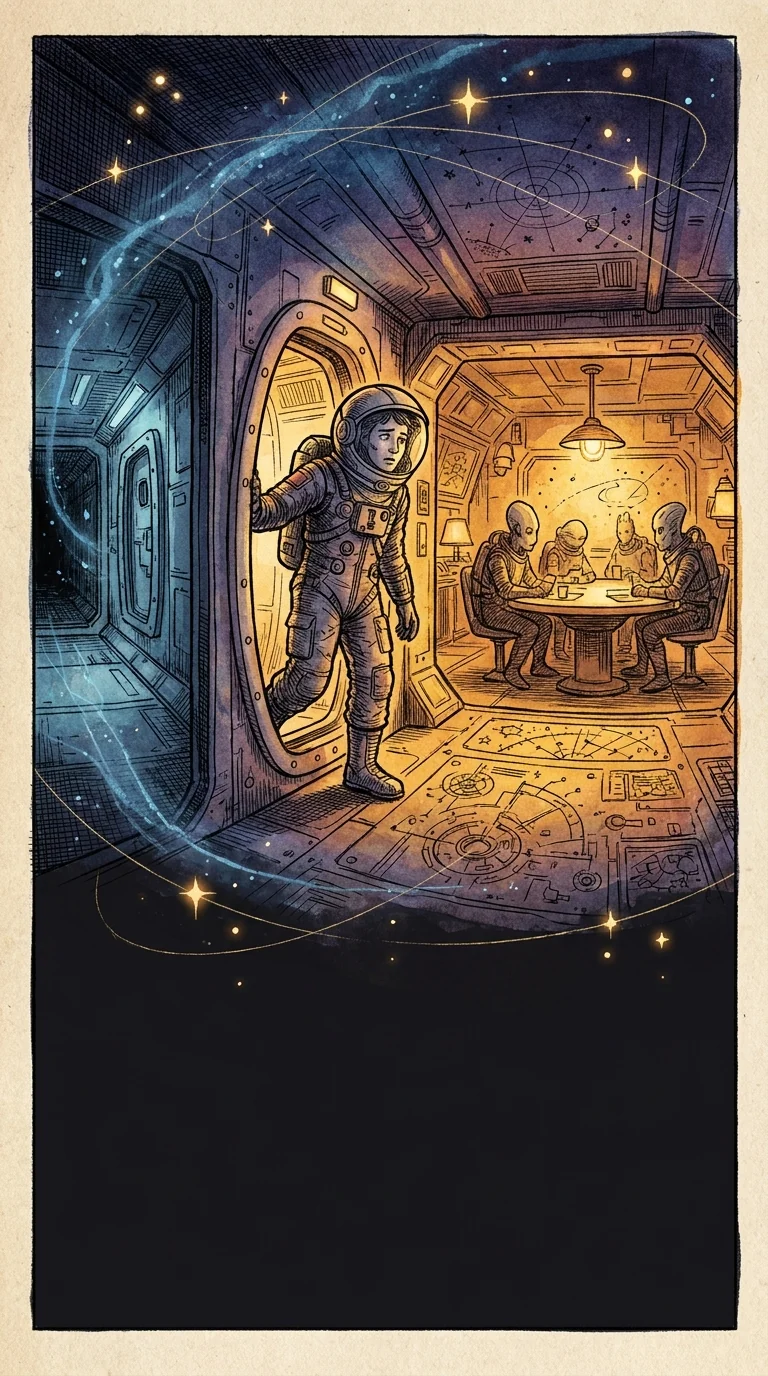
Confidence isn't the price of admission for helping someone — it's the receipt you get afterward. So let's stop waiting at the gate.

Most confidence-building advice tells you to fill your own cup first. Which sounds reasonable — until you realize you've been polishing that cup for years and it's still empty. Funny how that works.

The technique is called the Contribution Loop. Instead of building confidence in isolation, you generate it by giving what you already have — even if what you have feels small. Especially then.

Here's how it runs. Step one: pick one person you can help with something specific today — not in theory, today. Step two: do the thing before your brain finishes its risk assessment. Step three: notice what happens inside you after. That's the data your nervous system actually believes.

Marcus spent three months telling himself he wasn't ready to mentor anyone. Then a new colleague asked him one question about a process he knew cold. He answered it in four minutes. She thanked him. He stood there realizing he'd been qualified for months — his doubt just hadn't checked the logs.

You don't need to feel ready. You need to be useful to one person, one time, and then let your body catch up to what your hands already did. The fire's already lit — you just haven't looked down yet.