Building Your Confidence Maintenance Plan
You did the work. You felt the shift. And then one Thursday afternoon, that old voice showed up again like it still had a key to your apartment.
Part 1: Building Your Confidence Maintenance Plan — Concept
+5 XP on completion

You did the work. You felt the shift. And then one Thursday afternoon, that old voice showed up again like it still had a key to your apartment.

Here's what nobody admits: confidence doesn't arrive and then stay forever like some loyal pet. It's more like a signal you have to keep tuning — and old static never fully disappears.

The turning point isn't becoming someone who never doubts. It's becoming someone who recognizes the doubt, nods at it, and doesn't hand it the controls.

A confidence maintenance plan has three parts: a trigger map of your old patterns, a set of practiced responses, and a regular check-in schedule. Not glamorous. Wildly effective.

Marcus spent months building real confidence at his new posting. Then a colleague's offhand comment sent him spiraling for two days — until he pulled out his maintenance plan, spotted the pattern, and talked himself back to solid ground in twenty minutes instead of two weeks.
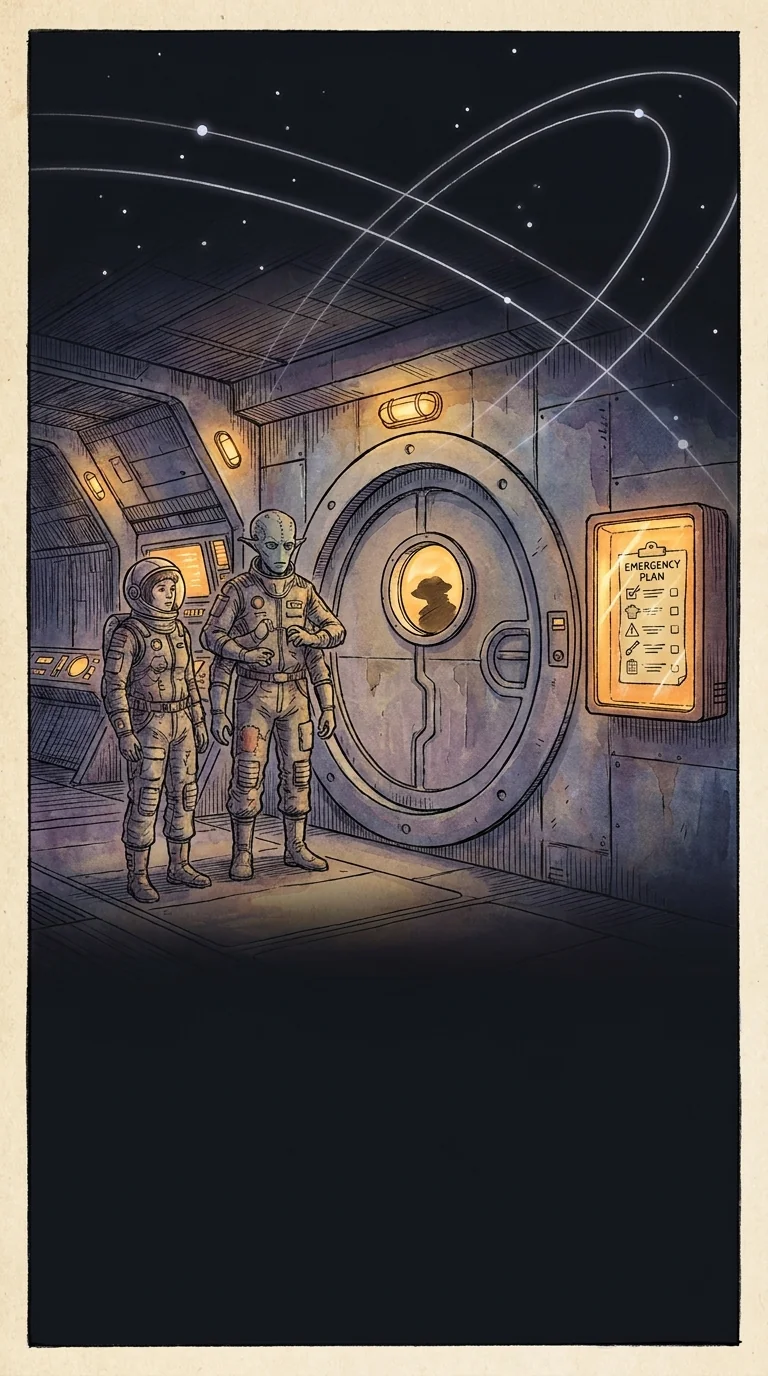
The old patterns will knock. That's not failure — that's the whole reason you build the plan before the knock comes. In Part 2, you'll practice mapping your personal triggers and drafting your own maintenance plan. See you there.
Part 2: Building Your Confidence Maintenance Plan — Practice
+10 XP on completion

Confidence doesn't stay calibrated on its own — it drifts, like every instrument you stop checking. So you build a maintenance schedule before the drift becomes a crash.
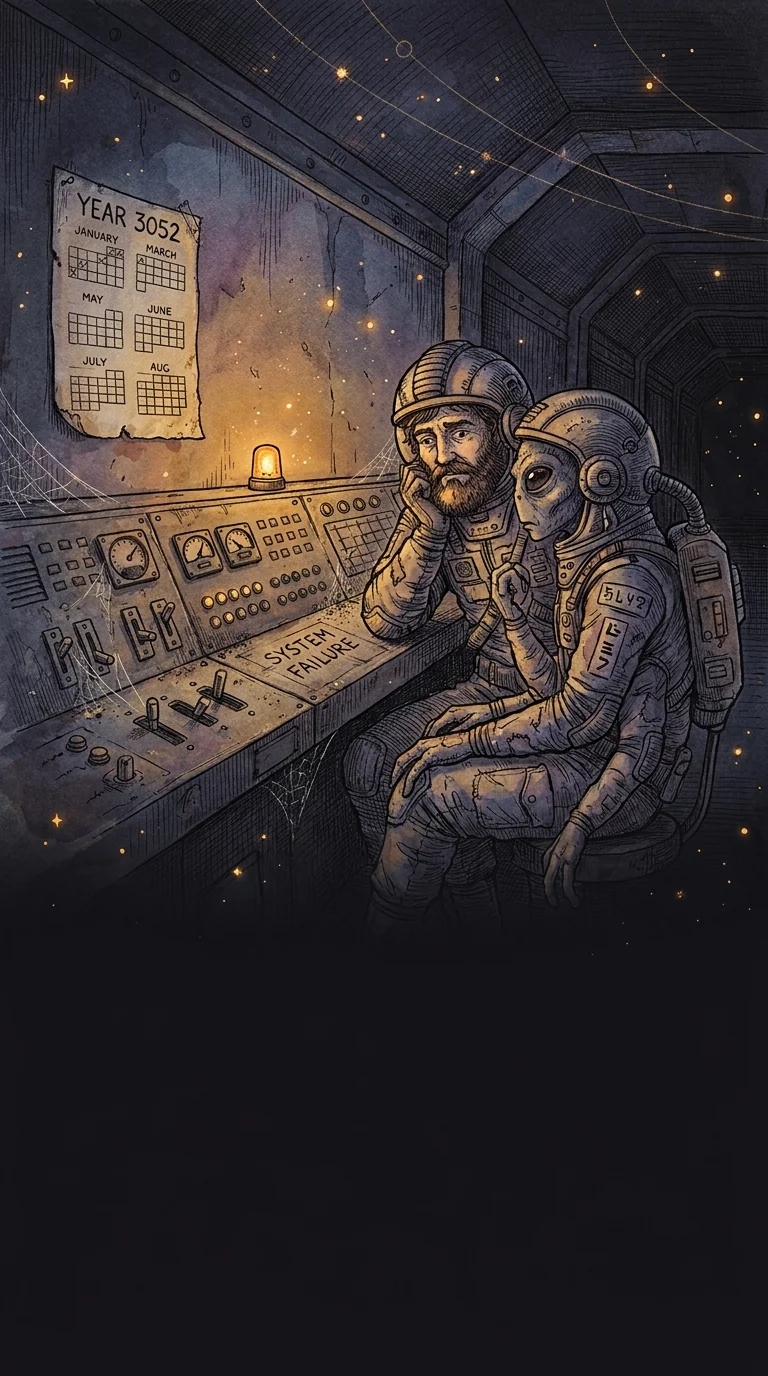
Most confidence work ends at the breakthrough — the big realization, the good week, the moment it clicks. Then three months later the old patterns creep back and you wonder what went wrong. Nothing went wrong. You just stopped the maintenance.
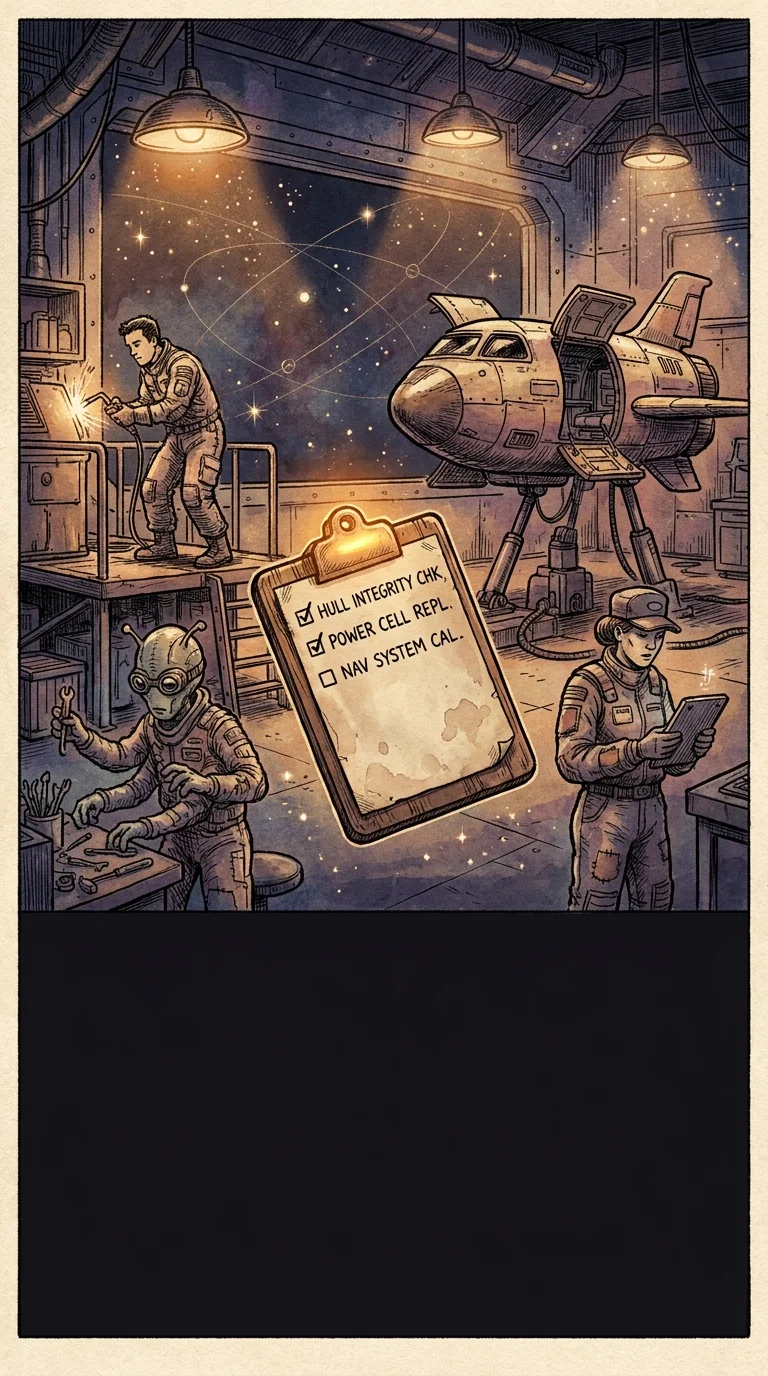
The technique is called The Ground Crew Protocol — a simple recurring checklist you run on yourself, the way any decent crew maintains a ship between missions. Not because something's broken. Because things that matter get maintained.
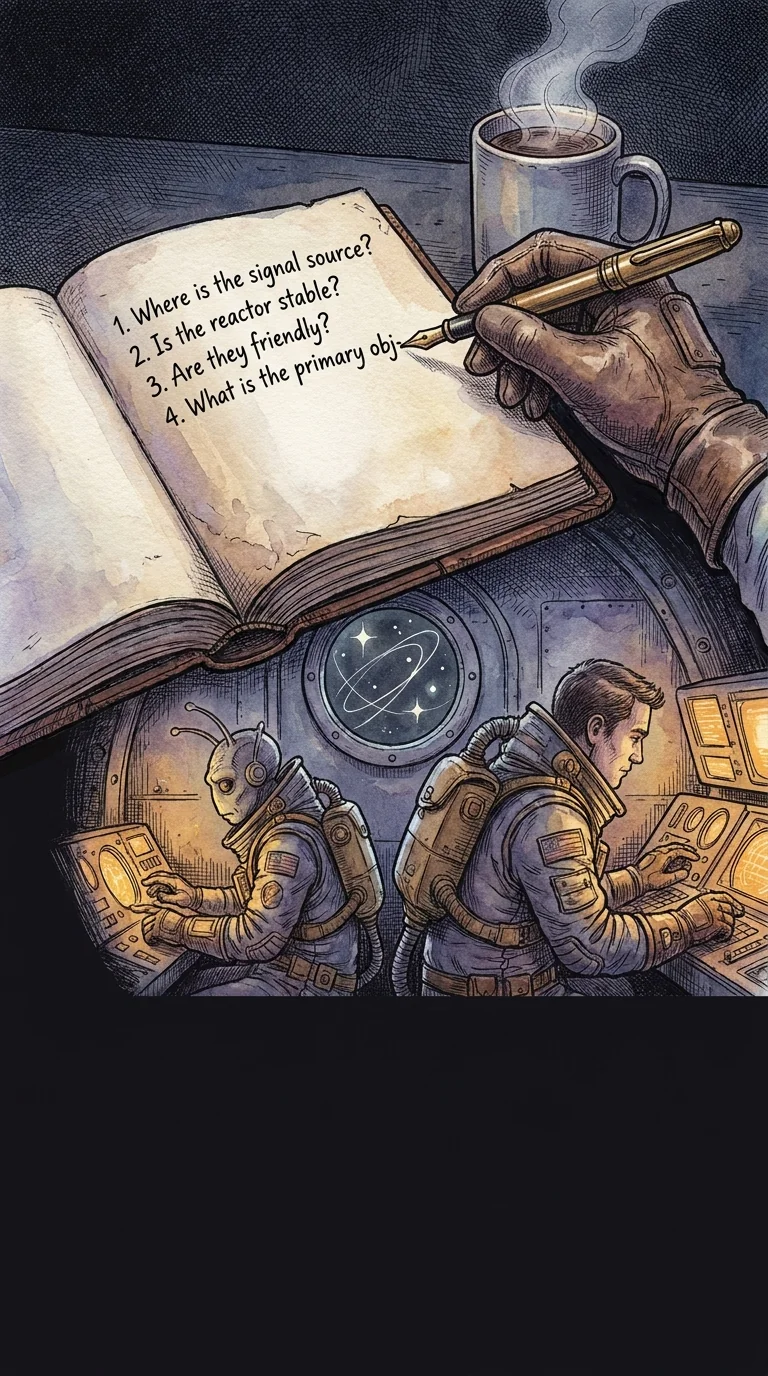
Once a week, you answer four questions: Where did I shrink this week? What pattern was driving it? What would the confident version of me have done differently? And what's one small repair I can make in the next seven days? Write it down. Ink on paper beats good intentions every time.

Sarah ran her Ground Crew check on a Sunday night and realized she'd been dodging a conversation with her project lead for two weeks — same old pattern of assuming she'd be dismissed. Monday morning she walked in and said her piece. It took ninety seconds. The repair took less time than the avoidance ever did.

You've spent nineteen days rewiring how you show up. That work doesn't expire — but it does need you to keep showing up for it. Run your checklist. Make the small repairs. You're not building confidence anymore; you're maintaining a ship that already flies.