Connection Over Performance
You've spent seventeen days learning how to handle hard moments — setting boundaries, apologizing well, staying grounded under pressure. So why does every conversation still feel like a performance review?
Part 1: Connection Over Performance — Concept
+5 XP on completion

You've spent seventeen days learning how to handle hard moments — setting boundaries, apologizing well, staying grounded under pressure. So why does every conversation still feel like a performance review?
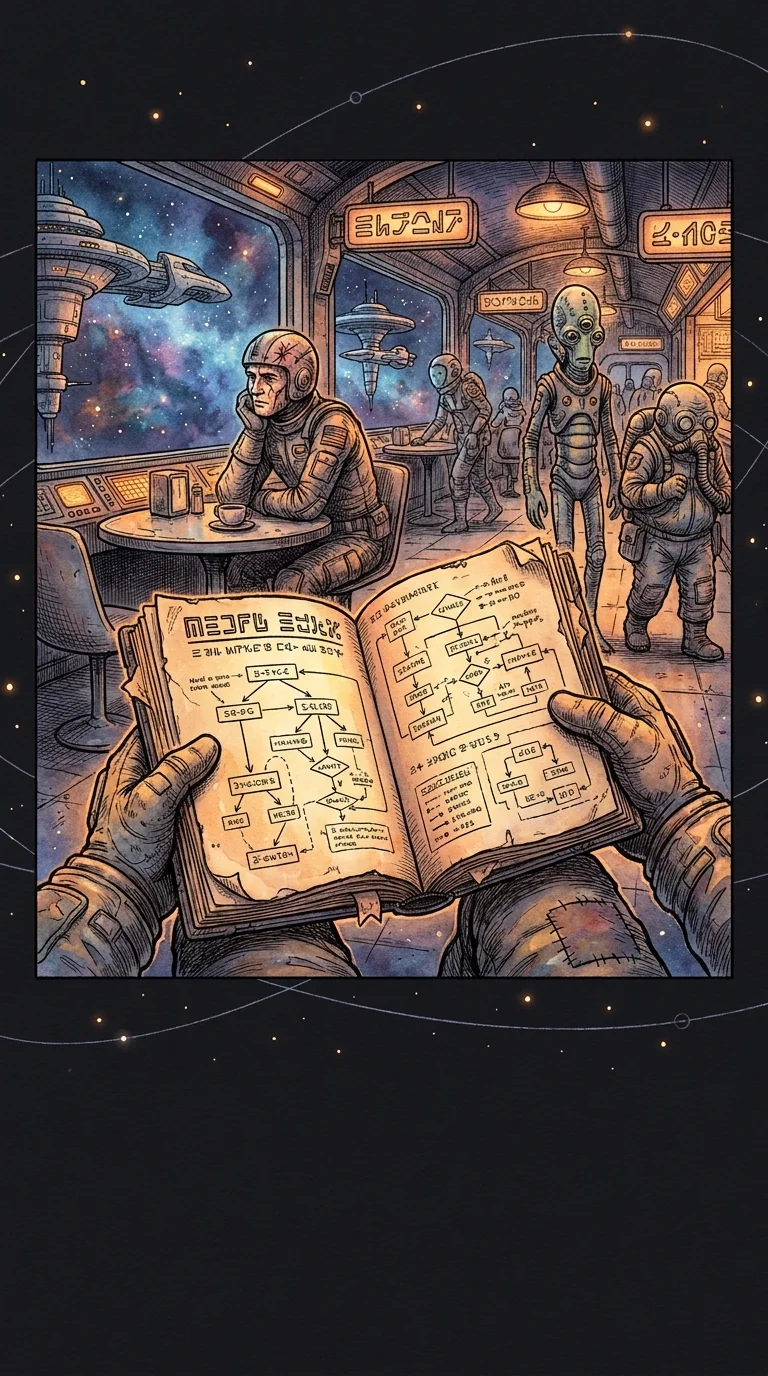
Here's what nobody admits: you can get really good at handling people and still be terrible at being with them. Skills become armor. Techniques become scripts. Somewhere along the way, "doing it right" replaced actually showing up.

The shift isn't about learning another technique. It's about dropping the question "Am I doing this right?" and picking up a better one: "Am I actually here with this person?" One question grades you. The other connects you.

Connection isn't a bonus round you earn after mastering the skills. It's what the skills were always for. Boundaries create safety so you can be present. Apologies repair trust so you can stay close. Every tool you've built is a door — not the room.

Marcus realized it mid-sentence. He was explaining to his daughter exactly why her frustration was valid — textbook active listening, perfect tone — and she said, "Dad, stop coaching me. Just be mad with me for a second." He closed his mouth. Sat down. Got mad with her. It was the best conversation they'd had in months.
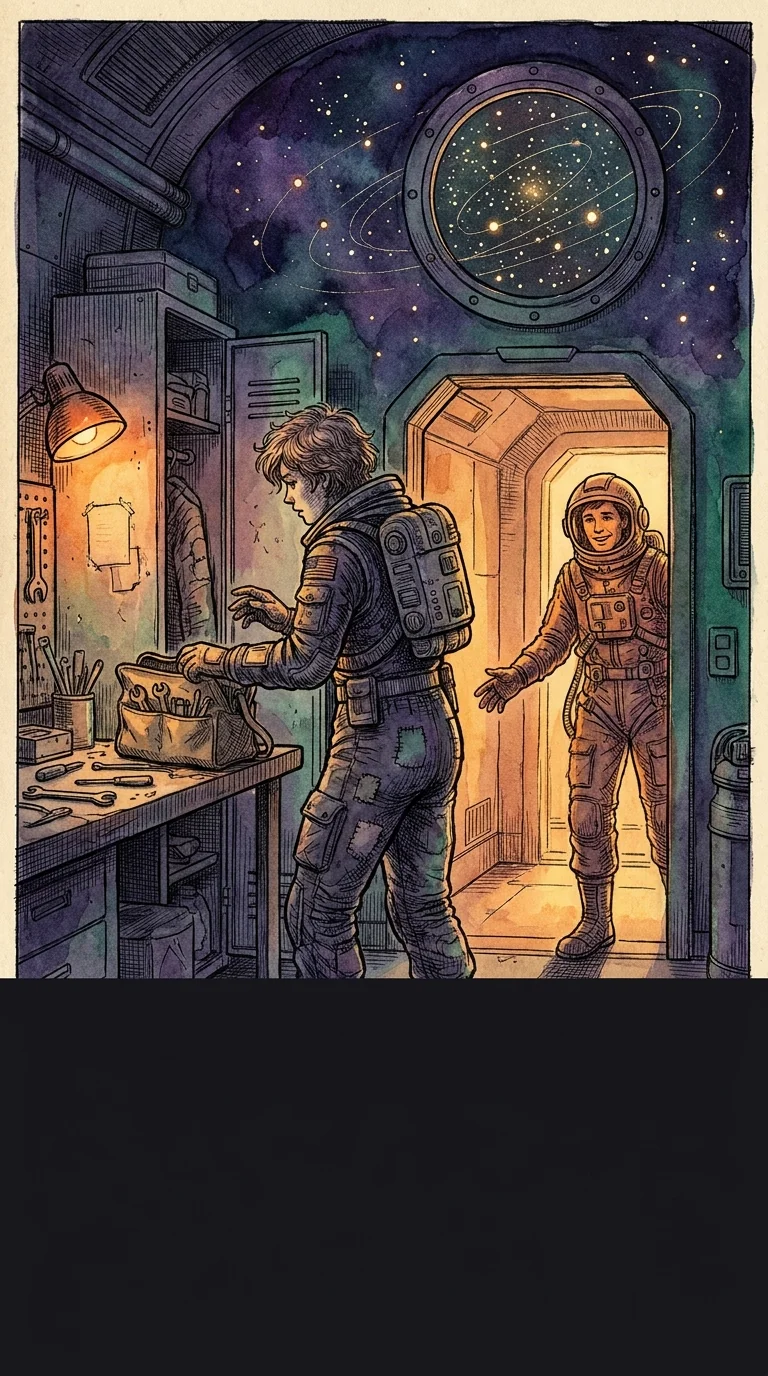
You've built the tools. Now the real question: can you set them down long enough to be a person in a room with another person? In Part 2, you'll practice shifting from performance mode to presence mode in your actual relationships. See you there.
Part 2: Connection Over Performance — Practice
+10 XP on completion

You've spent seventeen days learning to handle hard moments. Now the real question arrives: are you connecting with people, or just performing confidence at them?
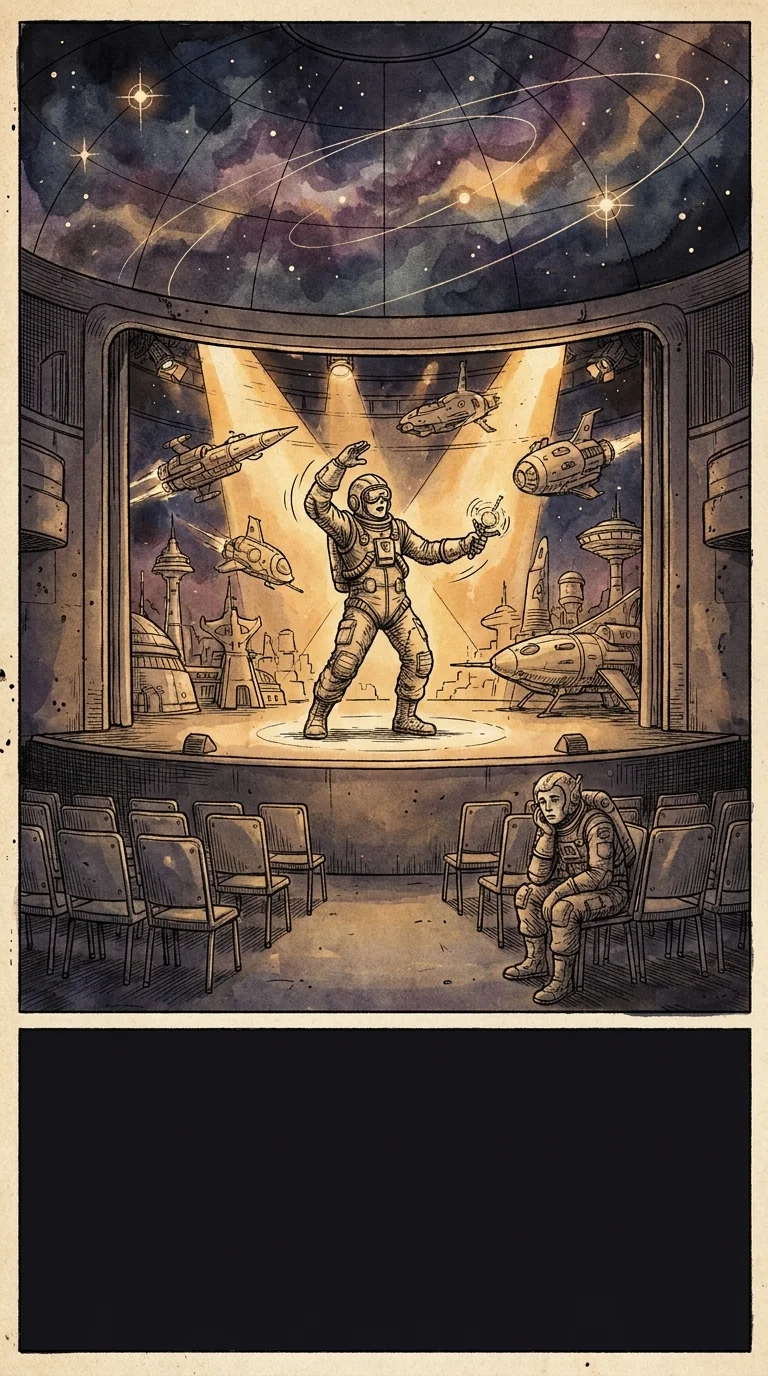
Most confident-sounding conversations follow a script: say the right thing, land the joke, exit before anyone sees the seams. That's not connection — that's a one-person show with an audience who didn't buy tickets.

The shift is smaller than you'd expect. It's moving from "what should I say next" to "what did they just say." One question points the camera at you. The other one points it where it belongs.
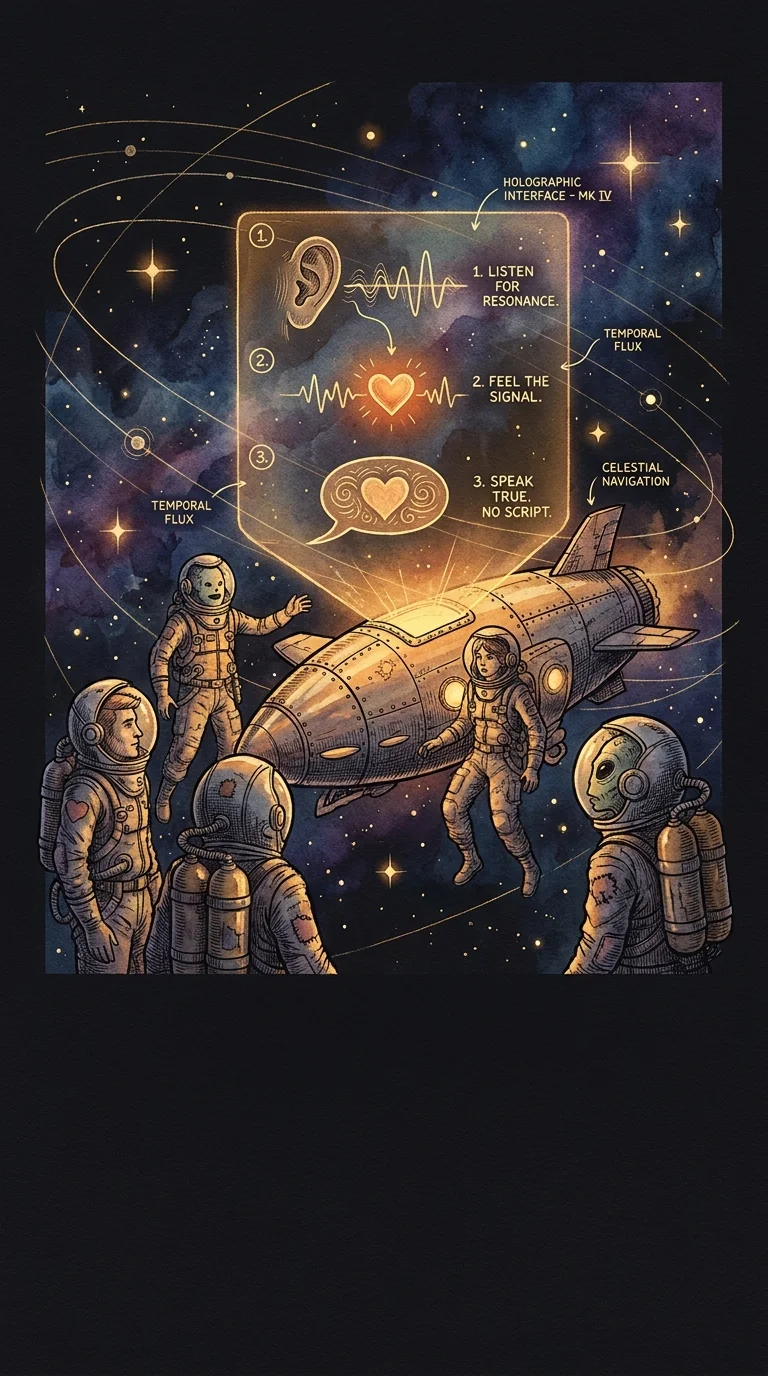
Try the Three-Beat Presence Check. Before you respond in any conversation: one — notice what they actually said. Two — notice what feeling sat underneath it. Three — respond to that, not to whatever clever thing was already loading in your head.
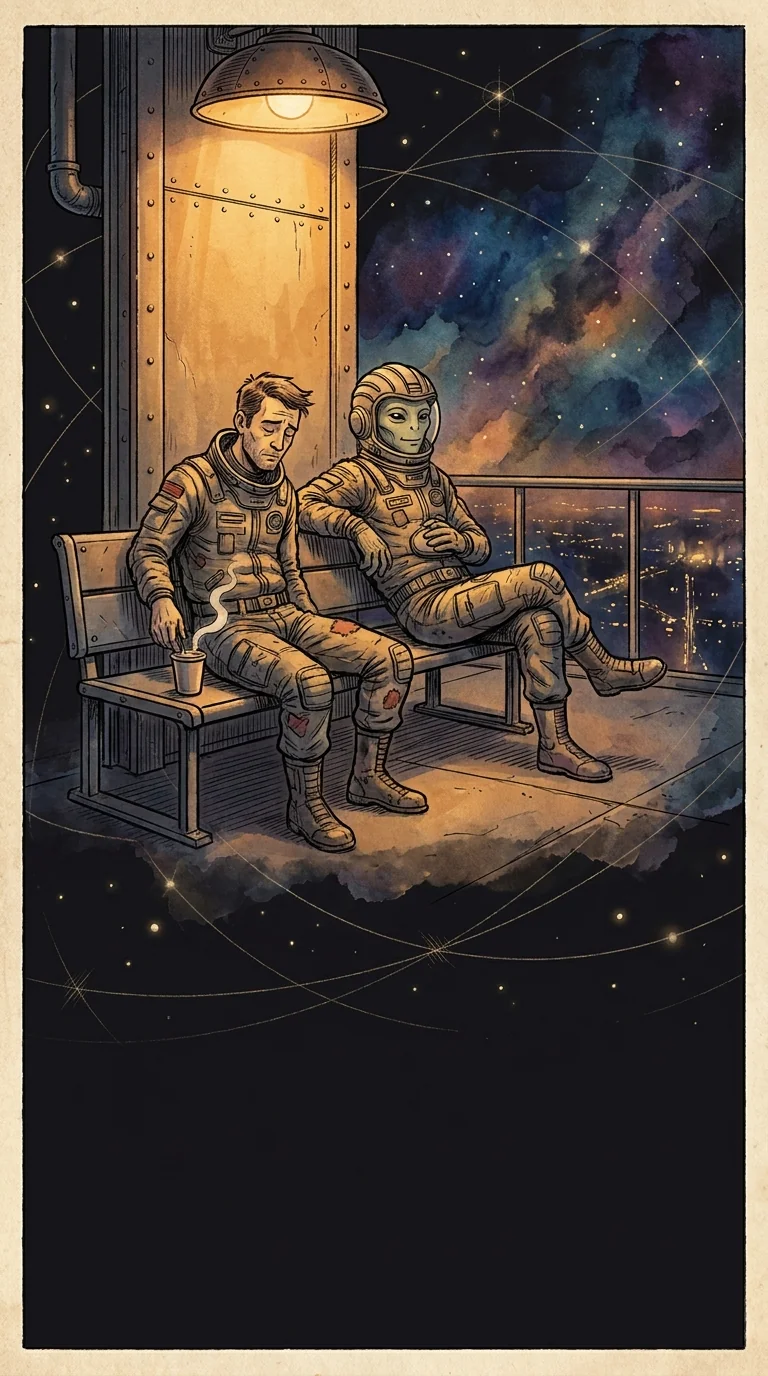
Marcus caught himself mid-conversation preparing his next impressive reply while his friend talked about a rough week. He stopped. Listened. Said, "That sounds exhausting." Three words. His friend exhaled like he'd been holding his breath for a month.
You already know how to show up for hard moments. Now you get to show up for people — not with a performance, but with actual presence. Turns out that's the thing worth getting good at.